
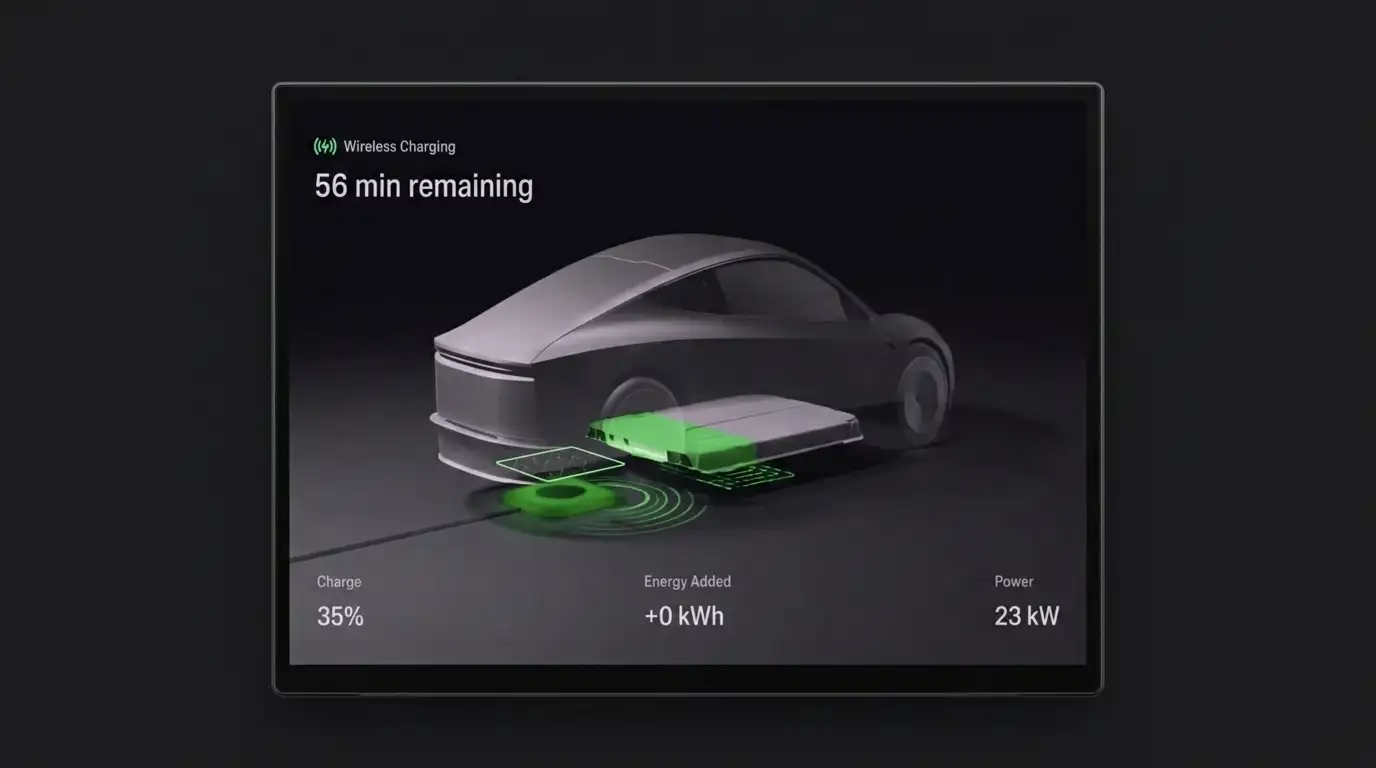

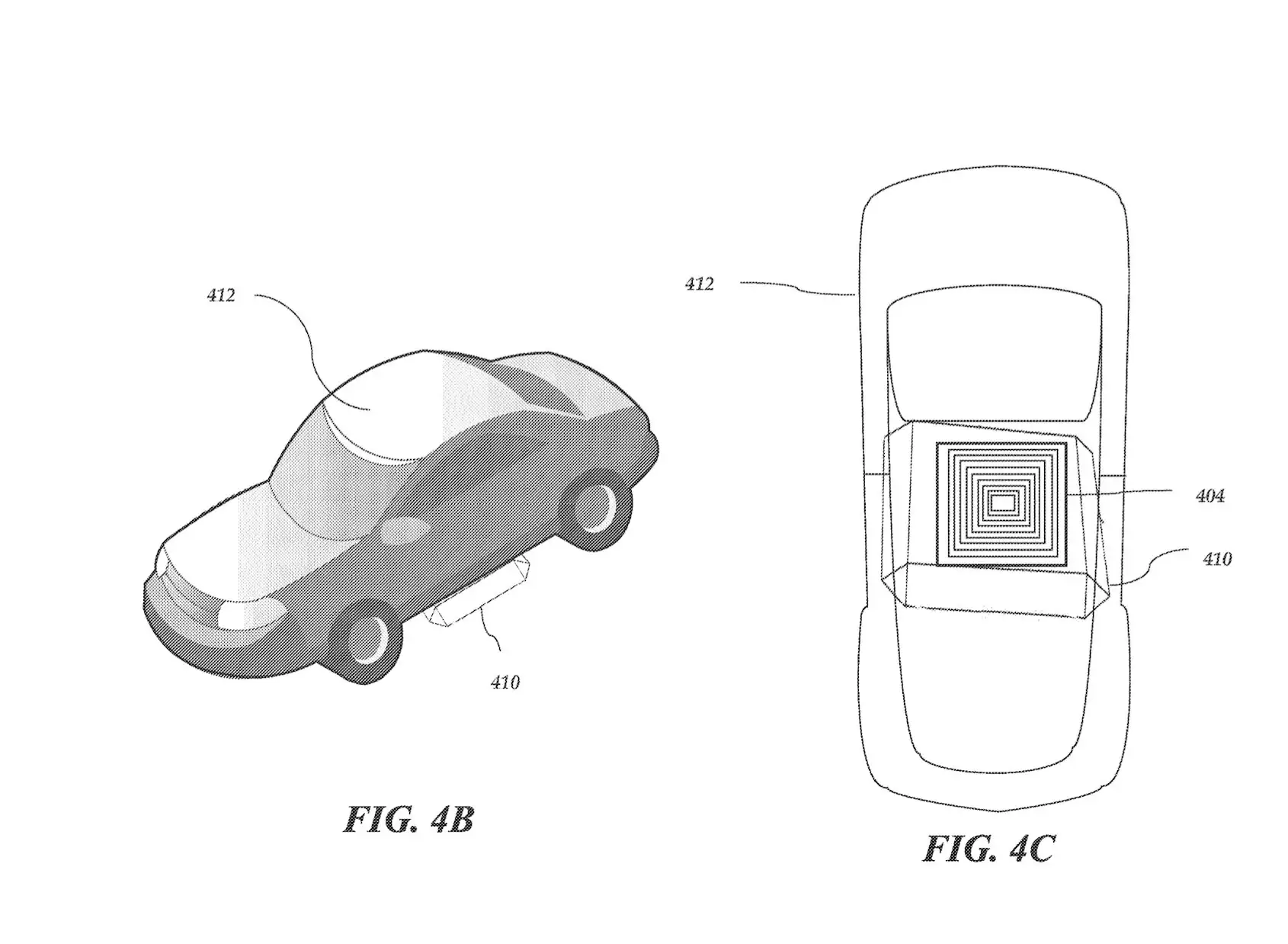
Two newly published U.S. patent applications from Tesla reveal practical hardware solutions for wireless electric vehicle charging systems. The filings originated in 2024 and describe an automated pad capable of charging vehicles without physical cables. The core inventions solve two longstanding engineering challenges: detecting foreign objects on the pad before they become fire hazards and supporting different battery pack voltages without adding bulky onboard hardware.
Thermal sensing arrays and automatic hazard shutdown
High-power inductive charging transfers large amounts of energy across an air gap between ground and vehicle coils. When metallic debris like dropped coins, fasteners, or small tools land on an active wireless mat, magnetic eddy currents can heat those objects rapidly.
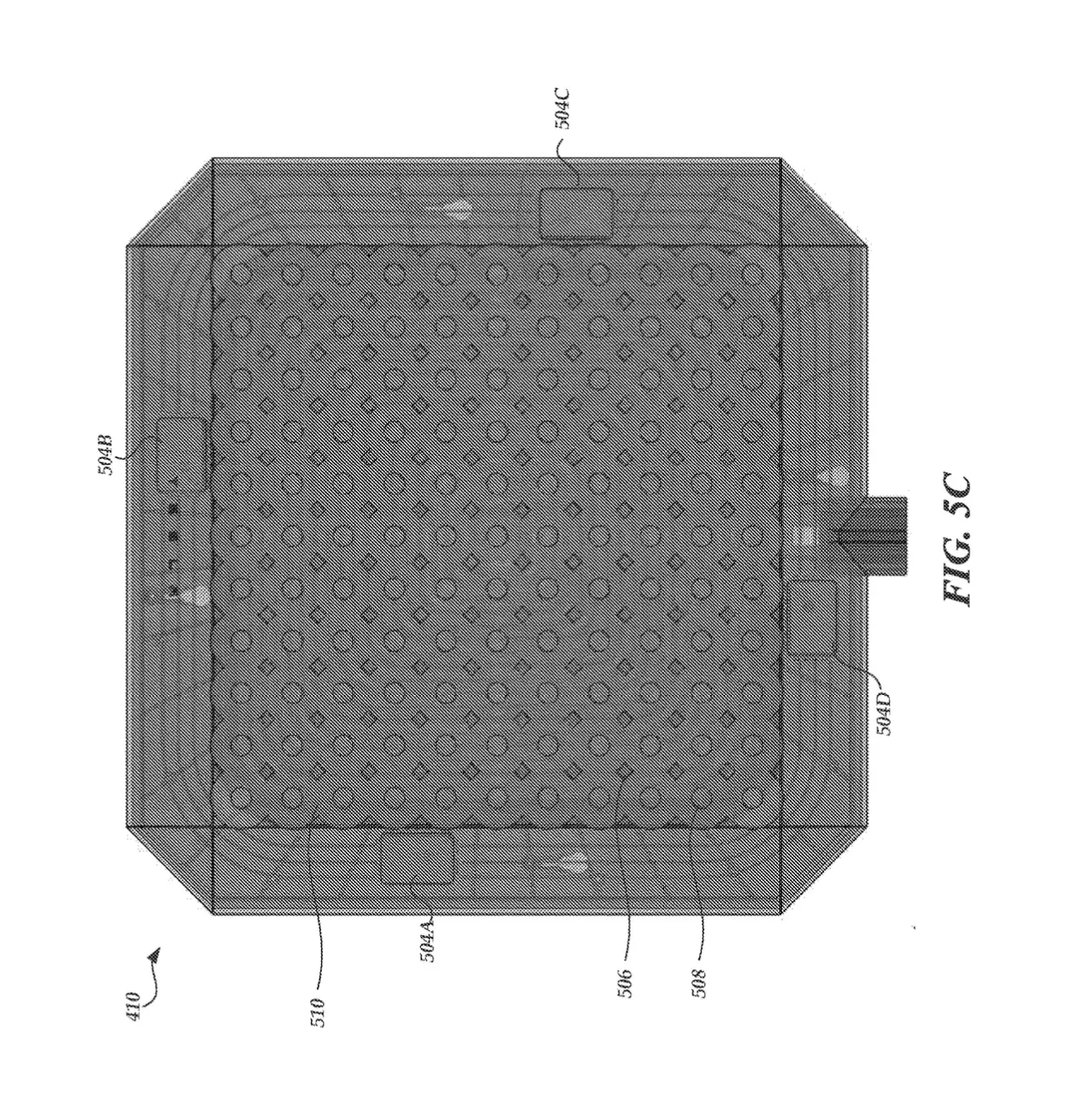
The first publication, titled “Temperature sensors and applications in wireless charging,” addresses this issue with high-density thermal monitoring. Instead of relying only on external infrared cameras or broad proximity sensors, Tesla embeds Type T bimetallic thermocouples directly into the printed circuit boards beneath the magnetic coils.
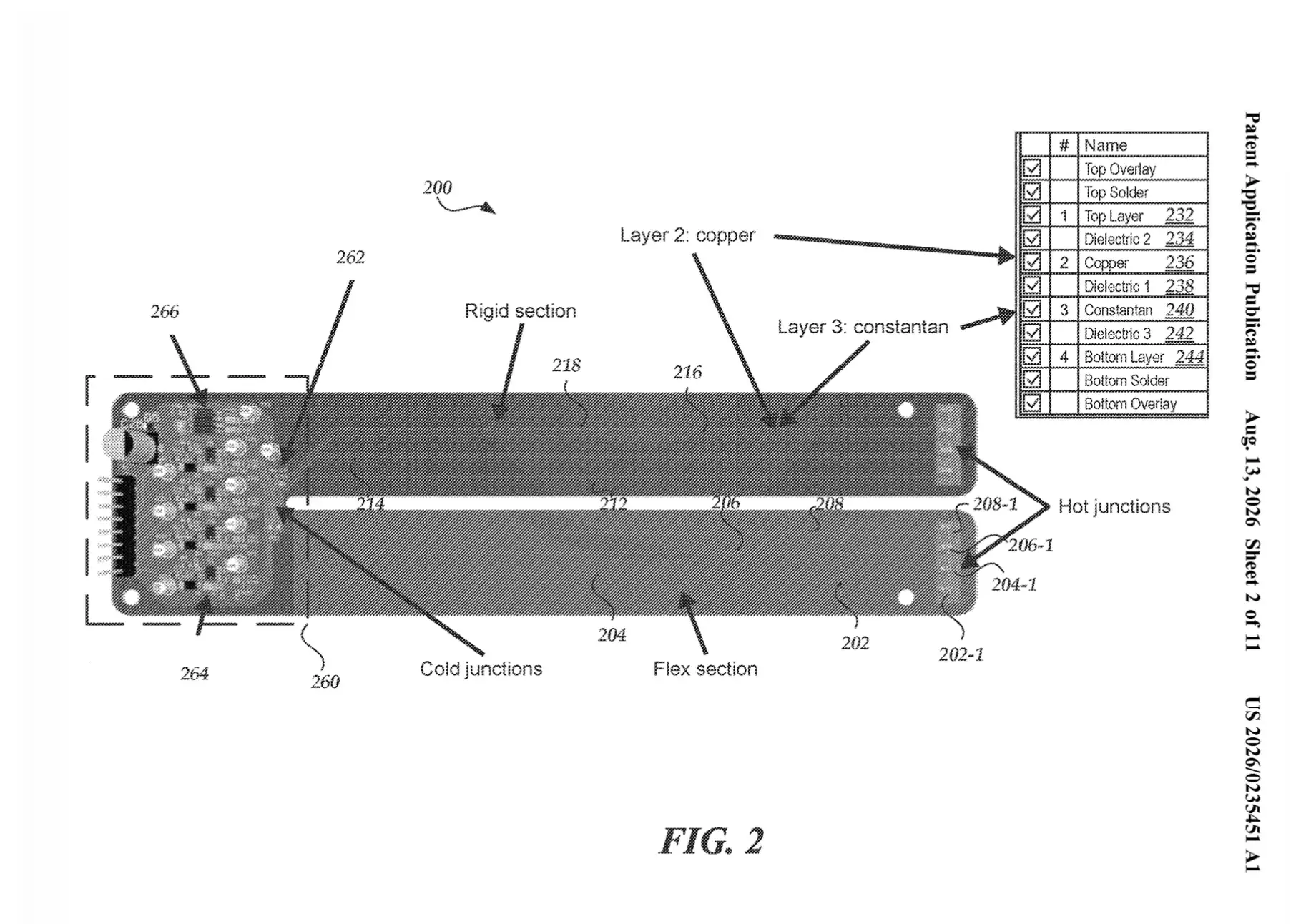
The design incorporates arrays of more than 100 individual sensing points across the pad surface to monitor local heat levels. Parallel thermocouple circuits measure average pad temperatures, and individual channels identify sharp thermal spikes created by metal objects as small as 50 millimeters. When onboard processing circuits detect rapid temperature anomalies during an active power transfer, the system cuts electrical current immediately to prevent fire hazards and surface damage.
Universal resonant converter topology for 400V and 800V packs
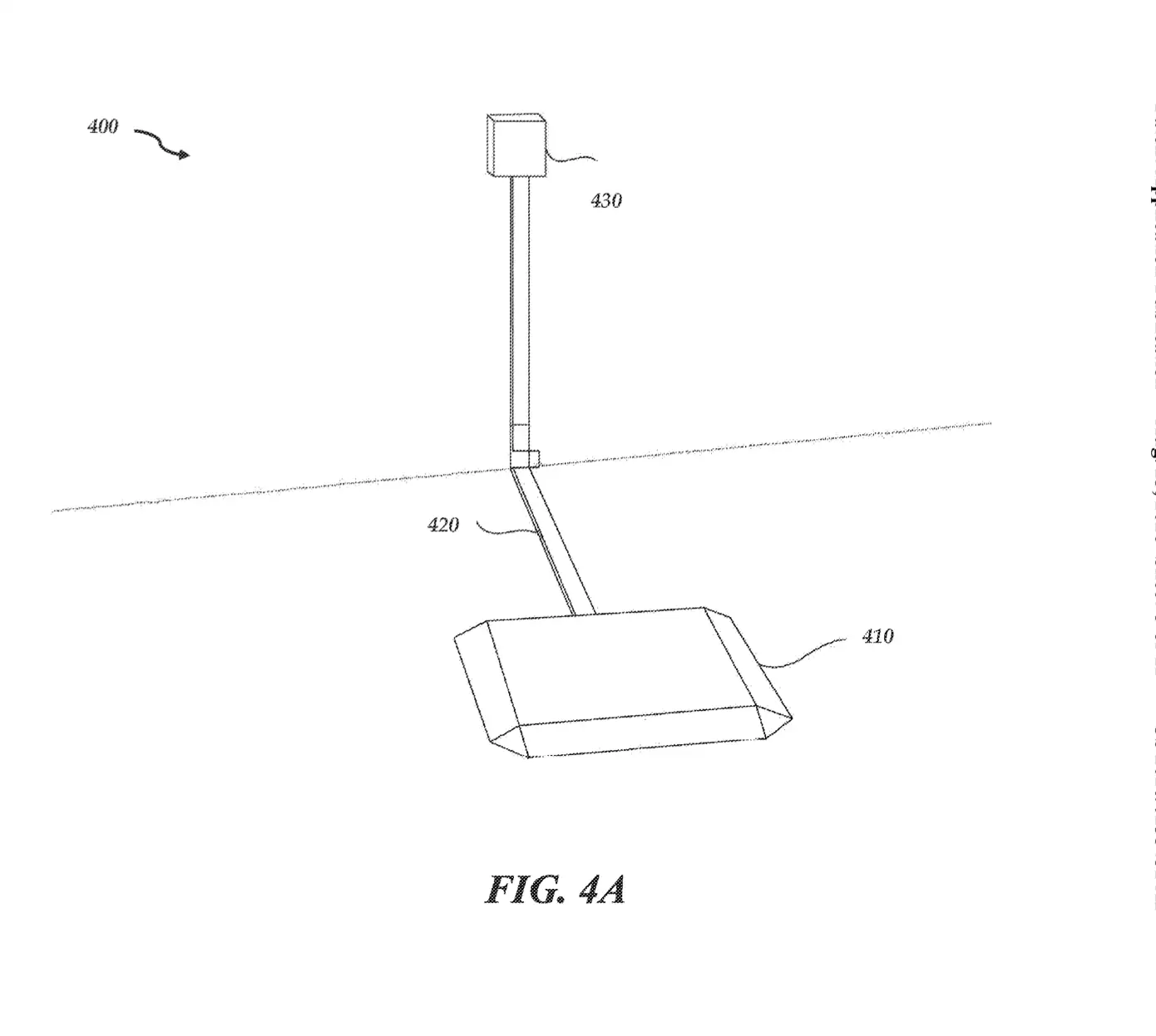
The second publication, titled “Wireless charging circuit topology and related methods of manufacturing,” focuses on the power electronics that drive the system. Today’s electric vehicle market is split across electrical standards: high-volume passenger vehicles like the Model 3 and Model Y run on 400-volt battery packs, and newer platforms like the Cybertruck utilize 800-volt architectures.
Normally, charging both 400V and 800V vehicles from one inductive station requires heavy step-up or step-down DC-to-DC converters inside the car. Tesla avoids that added weight by adopting an asymmetric switching strategy in the ground-station H-bridge inverter.
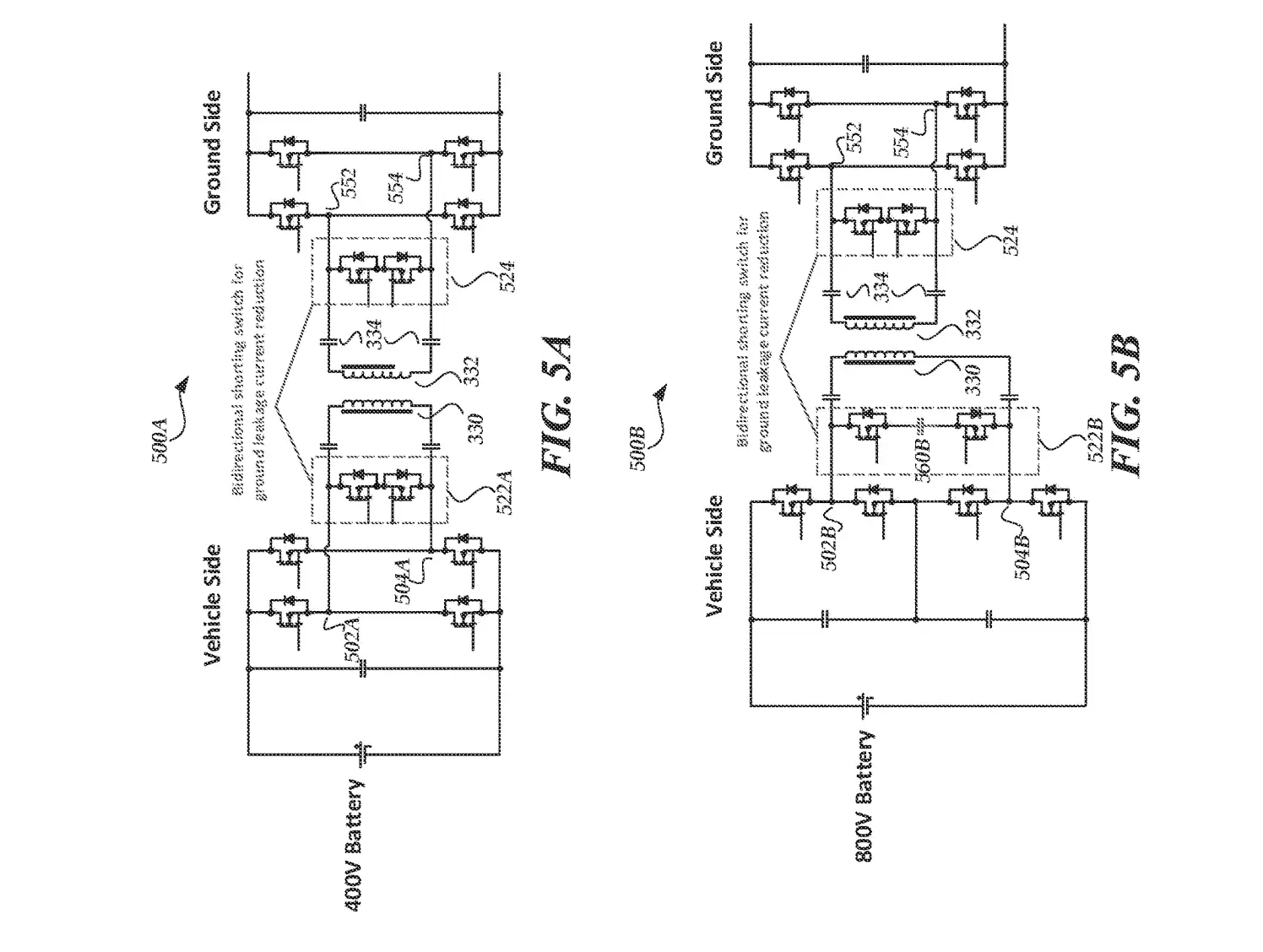
Under this control method, one half-bridge switches at high frequency while the opposing leg stays steady. This strategy reduces resonant tank voltage ripple by roughly 50%, reduces dead-time switching losses, and expands the operating window from 200V up to 1000V. As a result, the same ground unit can transfer power efficiently into a 400V passenger car or an 800V truck without extra onboard hardware.
Deployment across automated depots and passenger vehicles
These technical solutions fit into a broader group of four wireless charging patents filed by Tesla engineers. Complementary applications cover ground-leakage shorting switches that reduce energy loss and parameter estimation algorithms that dynamically adapt power delivery based on real-time vehicle positioning.
Hands-free charging infrastructure is critical for commercial autonomous fleets and Cybercabs, where vehicles must cycle through depots and recharge without human attendants. Using a single charging pad that handles both 400V fleet models and 800V consumer trucks cuts installation expenses and simplifies depot layouts. Tesla has not announced commercial availability or hardware launch dates, but these technical filings demonstrate continuous engineering progress toward production-ready wireless charging hardware.
We’ve launched an official Tesla Owners Online Forum. Join early and claim your "Founding Fuel" badge.