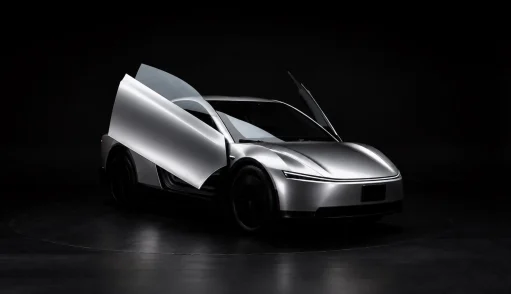
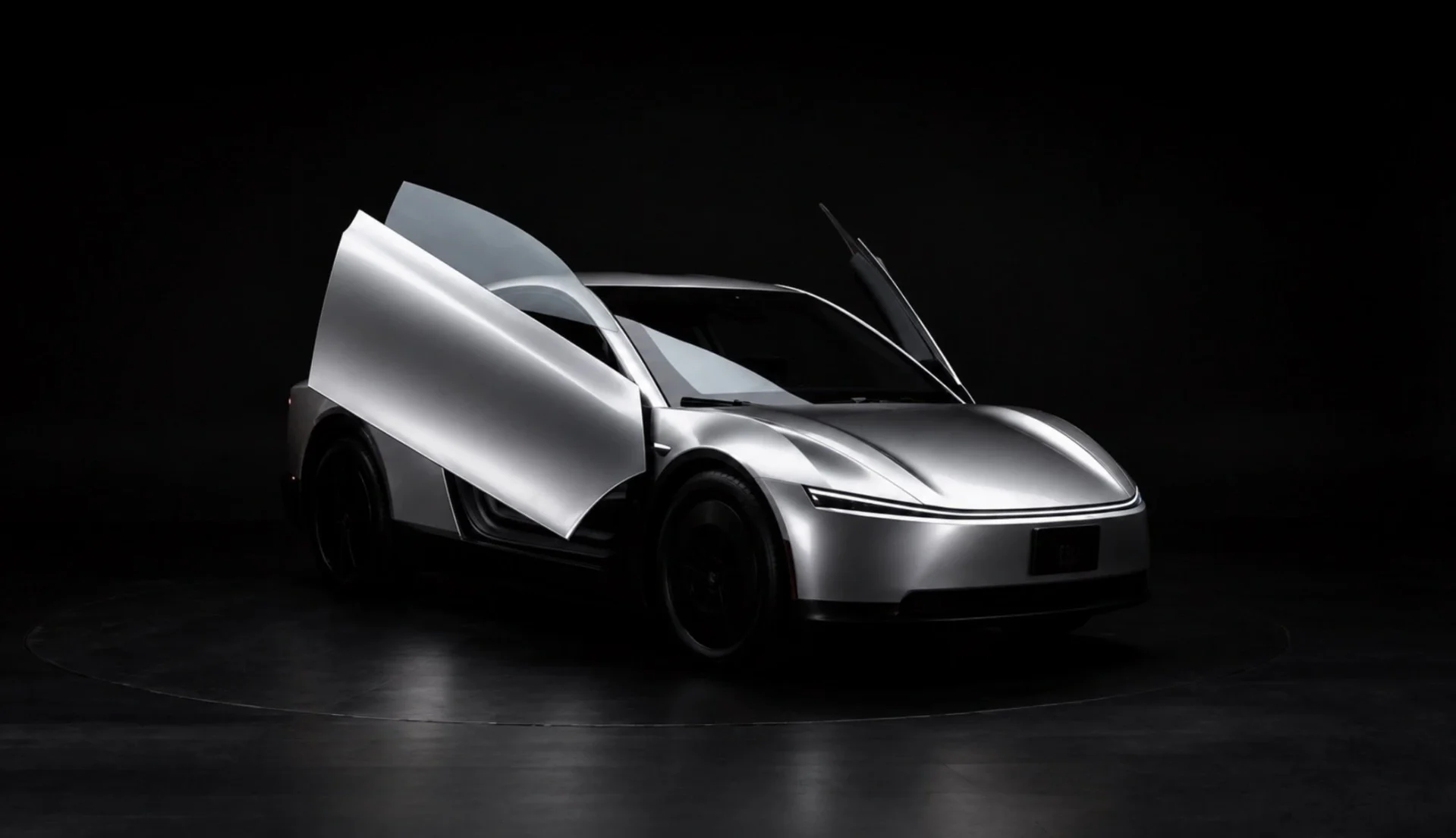

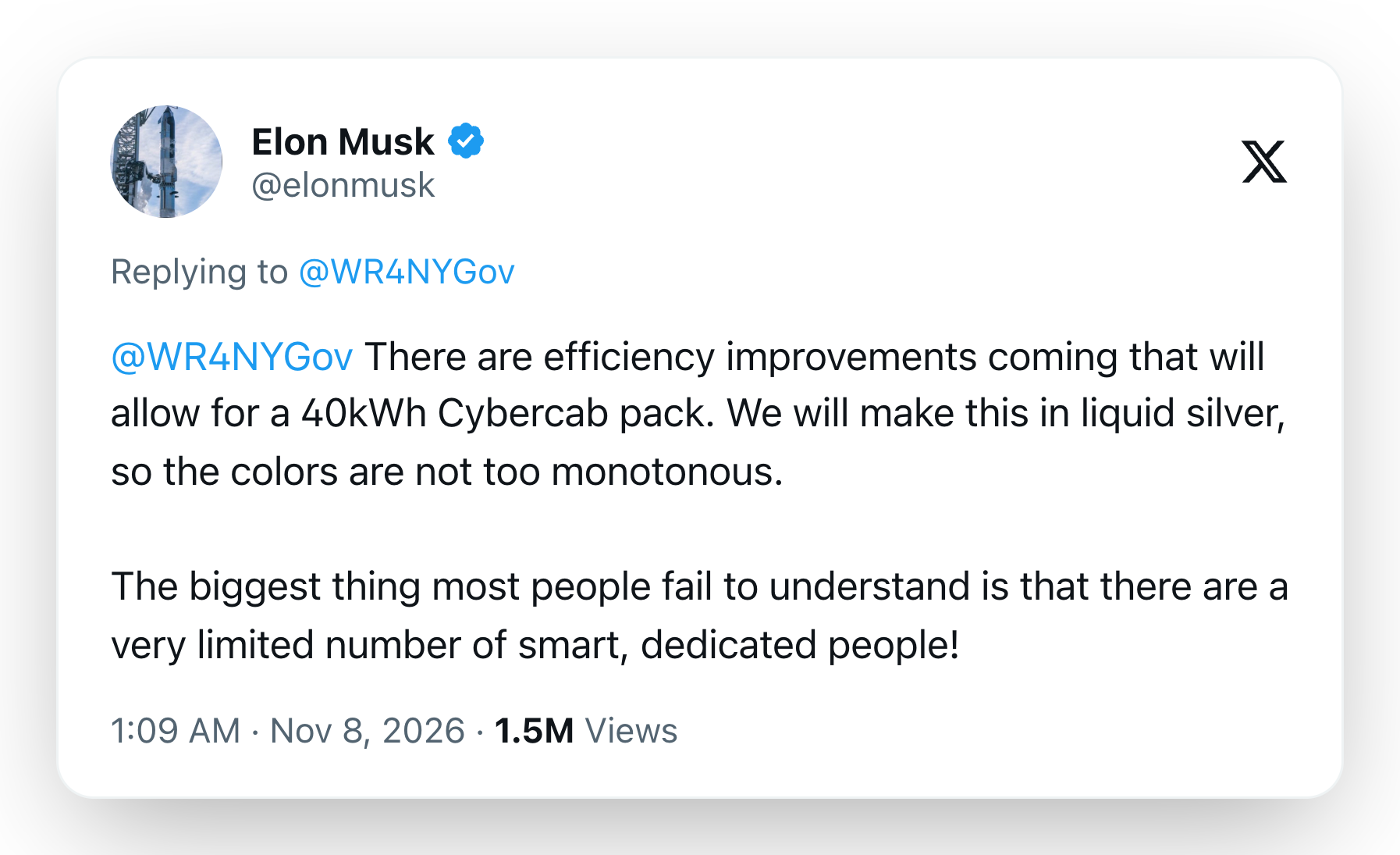
Tesla is working on a smaller 40 kWh battery pack for its Cybercab robotaxi and will add a liquid silver version of the two-seater, Chief Executive Elon Musk said on X. In the same post, Musk laid out his most direct case yet for ending the Cybertruck. He argued that Tesla does not have enough engineers or factory space to keep the pickup going and scale the Cybercab at the same time.
Musk wrote it in reply to an X user who had compared a CyberSUV carrying 120 kWh of batteries with a Cybercab carrying 48 kWh.
“There are efficiency improvements coming that will allow for a 40kWh Cybercab pack. We will make this in liquid silver, so the colors are not too monotonous.”
He then turned to staffing and factory space. “The biggest thing most people fail to understand is that there are a very limited number of smart, dedicated people! They can only do so many things,” Musk wrote. In his view, keeping a complex Cybertruck production line, supply chain and engineering team in place would tie up the people, floor space and machinery Tesla needs to build more Cybercabs, a vehicle he expects to profoundly transform ground transport.
A smaller pack is a hard target
So what would it take to keep today’s range on 40 kWh? By our estimate, the Cybercab would need to become about 16% more efficient, and it already holds the EPA’s efficiency record.
The June EPA filing lists a 326-volt, 146-amp-hour pack of about 47.6 kWh and rates the car at 165 watt-hours per mile. Its unadjusted range of 418.2 miles drops to about 293 miles after the standard adjustment. That consumption figure sits about 28% below the next-best car on record, the Lucid Air Pure.
| Scenario | Pack | Consumption | Est. adjusted range |
|---|---|---|---|
| Current Cybercab (EPA filing) | 47.6 kWh | 165 Wh/mi (about 6.1 mi/kWh) | about 293 mi |
| 40 kWh pack, no efficiency gain | 40 kWh | 165 Wh/mi | about 242 mi |
| 40 kWh pack, same range as today | 40 kWh | about 137 Wh/mi (about 7.3 mi/kWh) | about 293 mi |
The last two rows are estimates that scale the EPA figures, and Tesla has not given a range for the smaller pack. By comparison, Tesla originally promised close to 300 miles of real-world range for the Cybercab.
The bigger payoff may come on the supply side. Tesla has argued that battery cells, not customer demand, limit how many vehicles it can build, and at 40 kWh instead of 47.6 kWh the same cells would go into about 19% more Cybercabs. On top of that, each pack would cost less, weigh less and recharge faster on Tesla’s wireless charging pads.
Musk did not say where the efficiency gains would come from. However, Tesla engineers have offered a clue. Robert Sumpf, who leads mechanical design for Tesla’s battery modules and packs, told Munro Live the pack was built with spare room so the company could later move from today’s nickel-based 4680 cells to cheaper, less energy-dense LFP cells. On the same tour, Lars Moravy, Tesla’s vice president of vehicle engineering, said Tesla “didn’t need as many batteries as we thought.” Even so, it is not yet known if the 40 kWh pack would use nickel or LFP cells.
Silver without a paint shop
Adding a second color should be fairly simple for Tesla, since the Cybercab skips the paint shop altogether. Its plastic body panels take on their color inside the mold through reaction injection molding, so a new shade comes down mostly to a change in pigment. In fact, Moravy has called a conventional paint line one of the most expensive parts of a factory, with a cost of a few hundred million dollars.
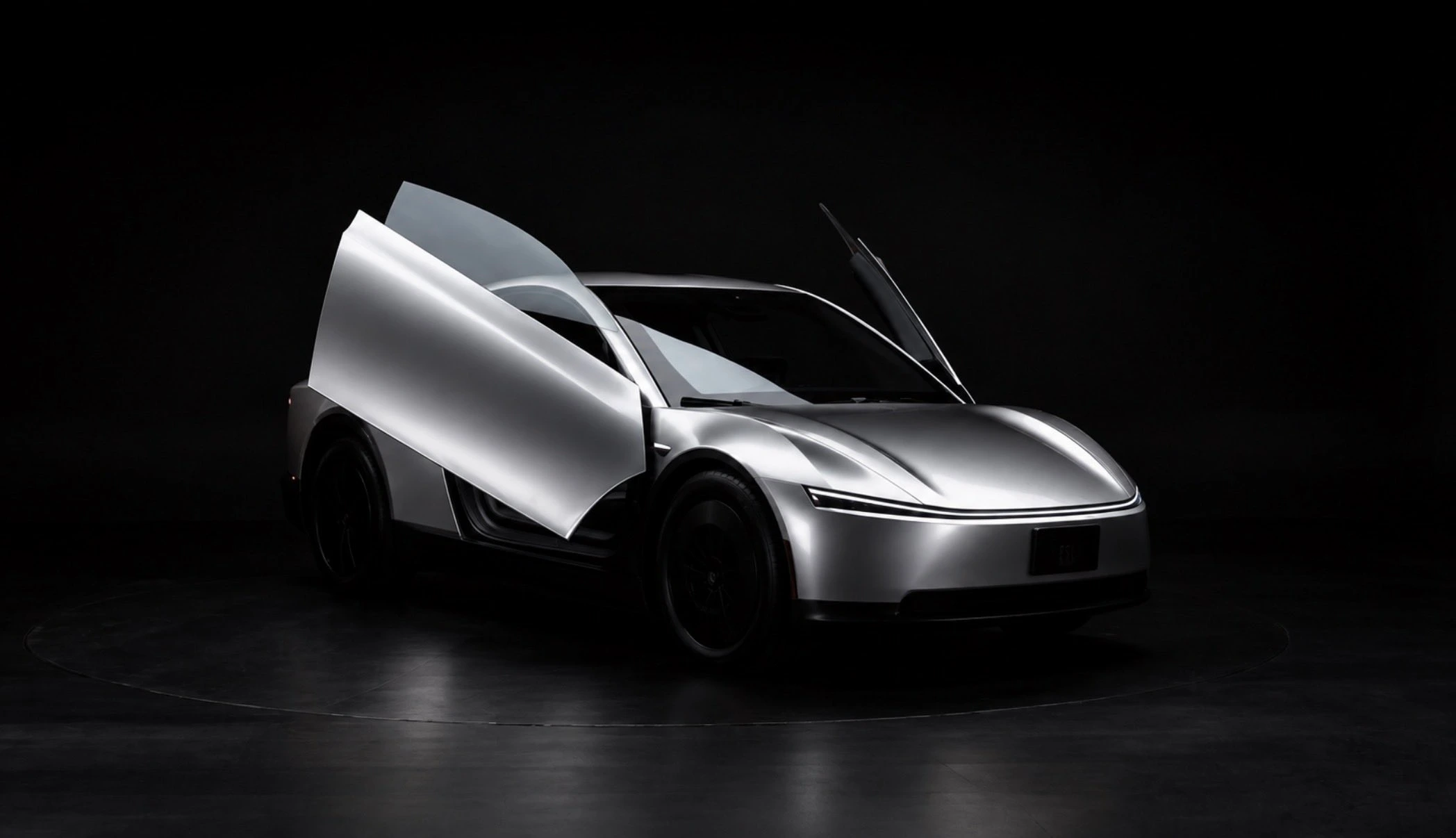
Every Cybercab built so far has been gold, a color Tesla designer Franz von Holzhausen has described as a modern take on New York’s yellow taxis. Musk’s aim of keeping the colors “not too monotonous” indicates silver would sit next to gold rather than replace it. That said, he did not say if riders or buyers would get to pick a color, or how a metallic “liquid” look would be achieved in molded plastic.
The Cybertruck gives up its floor space
Musk’s comments about limited talent amount to the clearest reason he has given so far for winding down the Cybertruck. On November 6, he said Tesla would phase out Cybertruck production at Giga Texas around mid-2027 to free up room for more Cybercabs. A day later, he narrowed that window to June or July 2027 and said Tesla would add another production crew, since the order backlog is “far more than we can make” before the line comes out.
Giga Texas is the only factory that builds the Cybertruck, and Musk has not said if production will move to another plant or stop for good.
However, a 40 kWh version would need its own EPA certification, and that filing would reveal its real range and efficiency. Tesla has yet to put a date on the smaller pack or the silver finish, and it has not said if the new pack would use leaner nickel cells or cheaper LFP cells.
Discuss this on Tesla Owners Forum →
We’ve launched an official Tesla Owners Online Forum. Join early and claim your "Founding Fuel" badge.