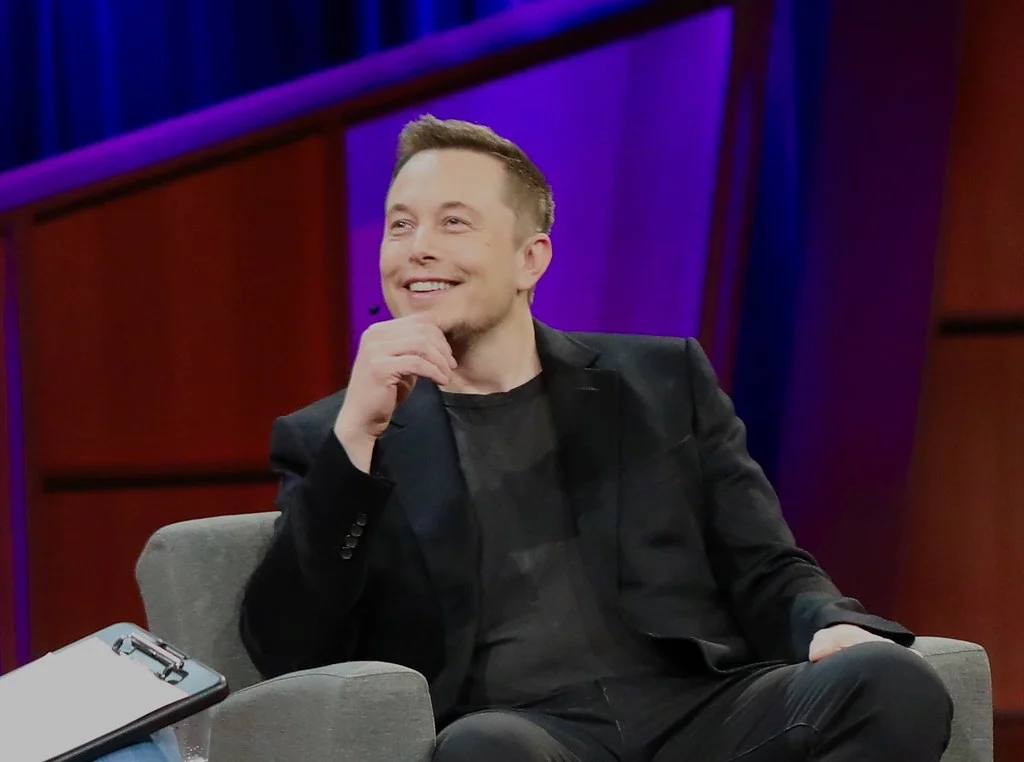

Elon Musk is warning that artificial intelligence systems face a major electricity bottleneck over the next two years. During remarks connected with the G20 summit, Musk stated:
“There actually is a crisis of power. If you just follow the AI topic on the X platform, you’ll get a very good sense of where things are headed. That’s how I get my news; There will be a significant power shortfall next year. The consensus estimate is there will be a 15GW power shortfall in 2027 for AI chips. This is why Google and Anthropic are leasing compute from SpaceX, because we’ve been able to turn on AI better than anyone else so far. This is by constructing our own power plants is how we’ve been able to do it.”
Grid bottlenecks leave compute offline
Global manufacturing of specialized AI silicon will surge over the coming years, yet local utility systems cannot energize those chips on schedule. Projections indicate global accelerator output could reach 50 gigawatts in 2027. However, market analysts estimate data centers can only connect roughly 33 gigawatts to regional electric grids that year.
That leaves an estimated 15 gigawatts of compute without grid access. The bottleneck involves hardware that connects silicon to the grid. Data centers require step-up transformers, heavy copper wiring, liquid chillers, and specialized high-speed switchboards. Many electrical components face multi-year order backlogs. In fact, utility interconnection queues across the United States now extend past 2028 in several major technology hubs.
SpaceXAI begins turbine changes in Southaven
To overcome local grid delays, SpaceXAI started upgrading its data center site in Southaven, Mississippi. The facility on Stanton Road initially relied on 69 temporary mobile gas turbines to provide immediate electricity.
On Monday, the company shut down 11 of those mobile turbines. State environmental regulators approved an agreement that requires the company to retire all 69 temporary units by July 2027. Instead of depending on temporary setups, the company is constructing a permanent 1.2 gigawatt generation site with 41 fixed gas turbines under an approved Clean Air Act permit. Company managers installed sound suppression walls, silencers, and catalytic reduction equipment to cut noise and exhaust emissions for nearby neighborhoods.
Compute leasing deals with Anthropic and Google
SpaceX turned its electrical capacity into a major commercial enterprise by leasing computing resources to leading artificial intelligence firms. Anthropic secured access to the Colossus 1 facility in Memphis, Tennessee, in May. That site contains over 220,000 Nvidia accelerators and 300 megawatts of electric capacity, with Anthropic paying $1.25 billion each month.
Google completed a similar arrangement in June. Under the contract, Google agreed to pay $920 million each month through June 2029 for access to 110,000 Nvidia processors and related networking hardware. Google representatives stated the agreement provides temporary bridge capacity to support enterprise software demand. The contracts allow SpaceX to collect roughly $26 billion in yearly revenue, but both agreements contain 90-day cancellation terms if capacity needs change.
Musk explained that owning generation assets gives the company an operational advantage over rival cloud providers. Traditional technology operators wait years for local utilities to construct substations and transmission lines. SpaceXAI bypasses those utility delays by building its own generation infrastructure alongside its data hubs.
This approach provides stable electric generation for internal software initiatives, such as the Grok language model, and fulfills multi-billion-dollar compute leases for external partners. With physical electrical infrastructure now dictating data center growth, companies that control their own electricity supply can deploy high-performance hardware years ahead of competitors.
— Sawyer Merritt (@SawyerMerritt) September 1, 2026
We’ve launched an official Tesla Owners Online Forum. Join early and claim your "Founding Fuel" badge.