


A top executive at Tesla has signaled that the company is moving forward with an autonomous recreational vehicle based on its Robovan platform. Ashok Elluswamy, Tesla’s Vice President of AI and Autopilot Software, made this clear in a late November 2024 social media post.
The comment arose when Y Combinator CEO Garry Tan asked on social media for startups to create RVs with Full Self-Driving technology. Elluswamy responded with “On it” and posted a photo of Tesla’s 20-seat autonomous people carrier from the October 2024 “We, Robot” event.
On it pic.twitter.com/1YnLwcZ1MB
— Ashok Elluswamy (@aelluswamy) November 28, 2025
This two-word reply generated immediate attention. An enthusiast then shared some AI images of what a Robovan RV could look like featuring beds, kitchens, and large windows.
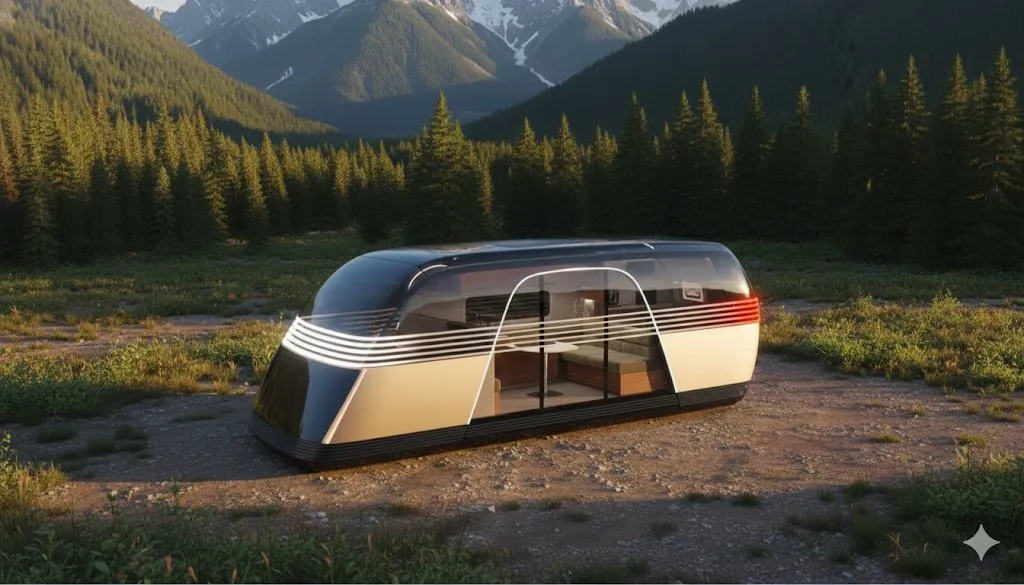
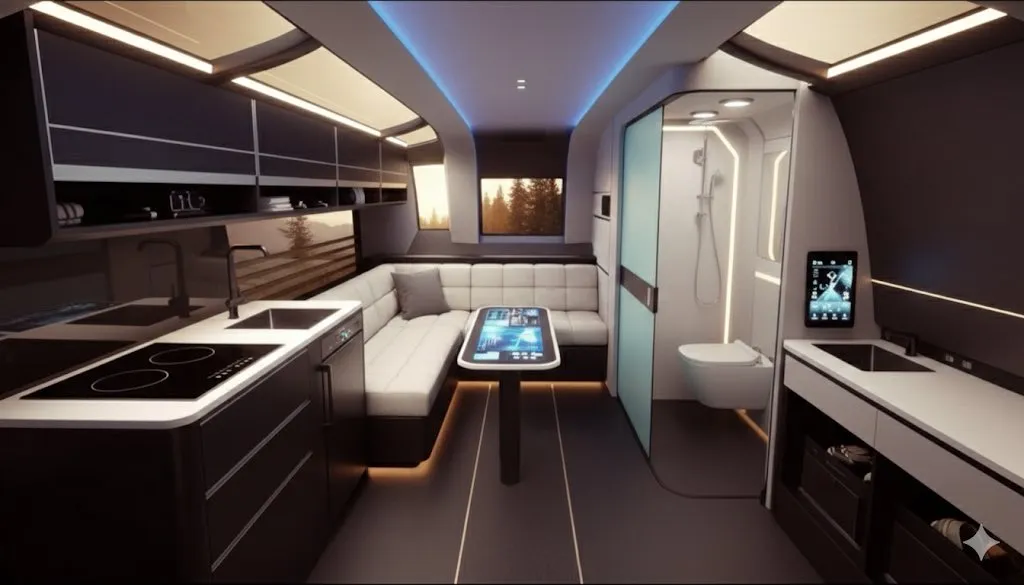
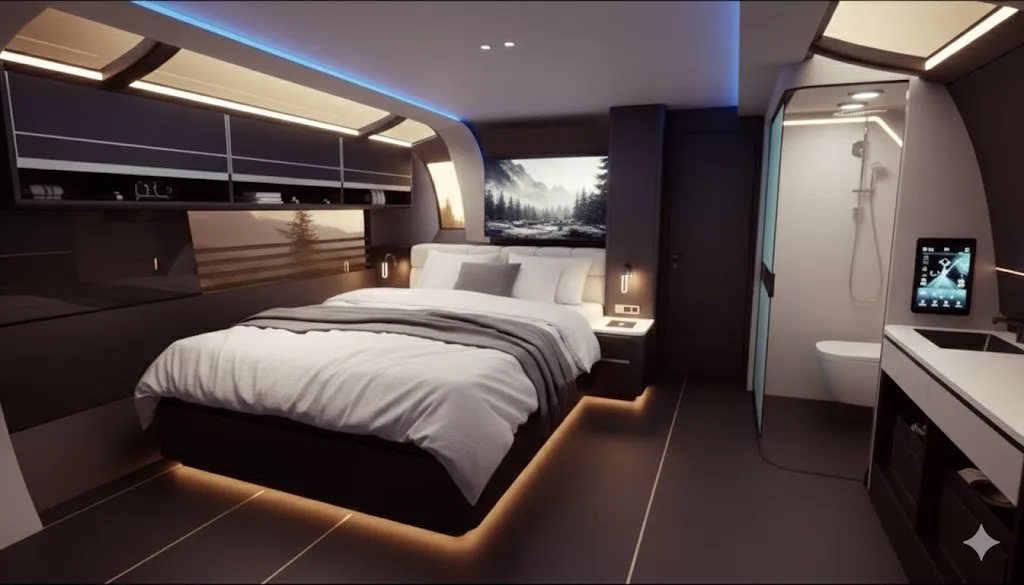

Tesla introduced the Robovan on October 10, 2024, at the “We, Robot” event in Burbank, California. The design references 1930s Art Deco trains, with angular shapes and smooth lines that the company says capture what the future looks like.

The standard Robovan seats 20 people in both forward-facing and backward-facing rows, or it can carry cargo instead. Interior screens display time, weather, and station information. The company stated the space inside feels open with sight lines in multiple directions.
One thing caught people’s attention right away; the vehicle sits very low to the ground. This raised concerns about whether it could work on rough or unpaved roads.
Musk explained how the vehicle handles this issue. The Robovan has an automatic load-leveling suspension that moves up or down based on road conditions. The system lets the vehicle maintain its sleek look while still managing bumpy roads and potholes.
The RV conversion challenge
Converting the Robovan to an RV presents some practical problems. Most campsites are built on unpaved ground or rough terrain. Low-ground-clearance vehicles typically struggle in these areas.
However, the load-leveling suspension could help solve this. But it’s uncertain if the system can adjust far enough to handle truly rough camping roads. Tesla has dealt with similar issues before. The Cybertruck and Model Y both have adjustable suspension built for off-road driving. So, Tesla knows how to address the problem.
In November 2025, Musk gave a recent update. He responded to a viral Robovan video with just: “It’s coming”. Combined with Elluswamy’s “On it” statement about RV conversions.
The company’s overall plan for the Robovan goes beyond just moving passengers. Musk said at the October event that the Robovan could cut transportation costs to 5-10 cents per mile per passenger. That’s far lower than regular bus service, which costs around $1 per passenger. At these costs, an autonomous RV makes financial sense for long trips.
Market potential for self-driving RVs
Tesla’s Full Self-Driving could handle many RV tasks. It could plan routes, locate charging stations, and find camping sites. When connected to Tesla’s Supercharger network and possible solar panels, it could support longer trips without needing power. Add in heat-pump climate control and Tesla’s Powerwall batteries, and the experience improves even more.
The Robovan will also have wireless inductive charging, the same as the planned Cybercab. Tesla bought the German firm Wiferion to build this tech, and it works at over 90 percent efficiency and the charging pad works from any angle.
Elluswamy’s comment about Robovan RV conversions hasn’t come with official details. But it gives us a hint about what Tesla plans. The Robovan’s large interior, self-driving capability, and Tesla’s charging network could create a new kind of RV. This could change how people travel on roads.
You may also like to read:
- Tesla Unveils Robovan’s Innovative Suspension System »
- Elon Musk Reveals Art Deco Trains as Inspiration for Tesla Robovan »
- Tesla adds accessibility features to Robotaxi service »
We’ve launched an official Tesla Owners Online Forum. Join early and claim your "Founding Fuel" badge.