
Tesla quietly rolled out a paid extended warranty for the high-voltage battery and drive unit in December 2025. The plan is available for Model 3 and Model Y owners in the United States and Canada. And it has raised a lot of questions.
Here is what the plan includes, what it does not, and how it stacks up against the competition.
What the plan covers
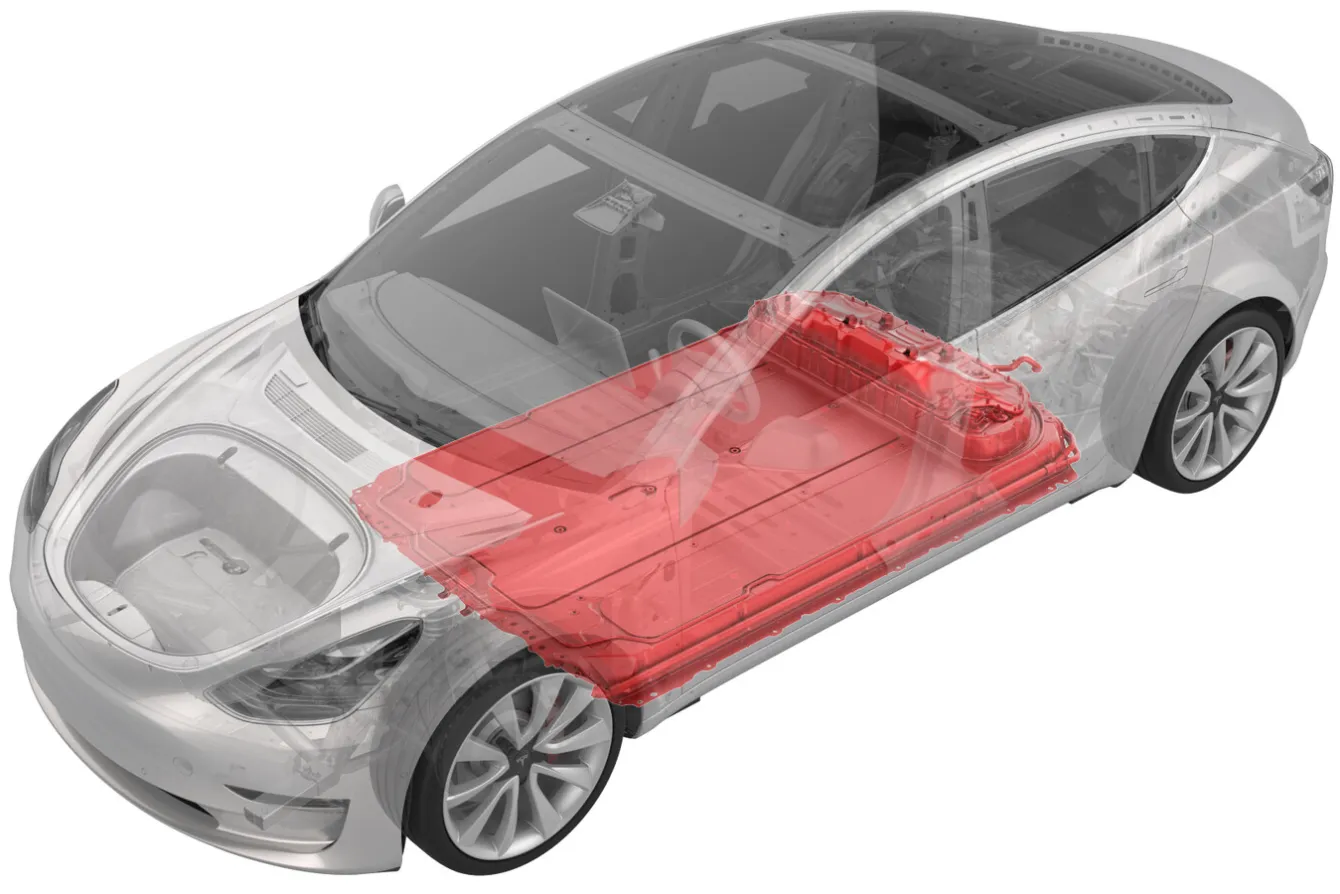
Tesla calls it the High Voltage Battery and Drive Unit Extended Service Agreement, or Battery ESA. It covers the repair or replacement of two components: the high-voltage battery pack and the electric drive unit.
Coverage lasts 24 months or 30,000 miles after the original factory warranty expires, whichever comes first. So on a Model 3 or Model Y, that could stretch total protection to roughly 10 years or around 150,000 miles, depending on the trim.
The cost is $2,000 in the U.S. and about C$2,800 in Canada. It is a one-time upfront payment. Tesla does not offer a monthly subscription option for this particular plan at the moment.
The fine print owners should read
There are a few things worth flagging before anyone clicks “buy” in the Tesla app.
First, every qualifying repair visit carries a $500 deductible. That is separate from the cost of the plan itself.
Second, there is no grace period. Owners must purchase the Battery ESA before their original 8-year factory warranty runs out. Once it expires, by even a single day or a single mile, the vehicle is no longer eligible.
Moreover, the agreement only covers the battery pack and drive unit themselves. Parts that sit outside those systems, such as the 12-volt battery, charging ports, or external high-voltage cabling, are not included.
And perhaps the most overlooked detail: the Battery ESA does not cover capacity degradation. If a battery slowly drops below the 70% retention threshold but has not mechanically failed, the extended plan may not apply. It covers failure, not fade.
How replacement costs compare
A full battery replacement on a Model 3 or Model Y costs between $10,000 and $15,000 at a Tesla service center. Some reported cases run closer to $16,000 when labor is included.
Against those numbers, $2,000 plus a $500 deductible looks manageable. But the math only works if something actually breaks. Tesla’s own fleet data, which the company cited in a November 2025 email to owners, tracked more than 4.28 billion miles driven on original battery packs that had already passed their warranty periods. Most of those packs are still running fine.
That is the gamble. Battery failures at year 8 or 9 remain rare, and Tesla knows that. And the company would not offer this plan unless internal failure projections made it profitable.
The plan transfers with the car
If a Model 3 or Model Y changes hands, the remaining Battery ESA coverage goes with it. That could help at resale time. A buyer looking at a seven-year-old Tesla with an active extended warranty on the battery is going to feel more confident than one without it.
For owners planning to sell within the next year or two before the factory warranty expires, buying the plan could add perceived value to the listing.
Tesla’s standard 8-year battery warranty is solid, but it is not the longest on the market. Hyundai and Kia offer 10 years or 100,000 miles on their EV batteries at no extra charge. That coverage is transferable and includes a 70% capacity retention guarantee, same as Tesla’s.
In China, the push is toward 15-year battery warranties at 85% capacity retention. CATL already provides a 12-year warranty on battery swap stations for NIO. So from a global standpoint, the 8+2-year model Tesla now offers through a paid add-on still trails some competitors who include similar terms at no cost.
That said, Tesla’s move is a first for the company. Before December 2025, no option existed to extend battery coverage through Tesla at all. And the broader Extended Service Agreement for general vehicle parts, separate from this battery plan, has been available on a monthly subscription at around $50–$60 per month for Model 3 and Model Y.
Who should consider it
The Battery ESA is most relevant for owners who plan to keep their Model 3 or Model Y well past the 8-year mark and who do not want to risk an out-of-pocket bill in the five-figure range.
It is less compelling for high-mileage drivers. At 30,000 miles of extra coverage, someone driving 25,000 miles a year would burn through that limit in just over a year. And it may not suit owners who are comfortable self-insuring, especially given how rarely Tesla batteries fail outright.
The purchase window is narrow, so owners approaching their warranty expiration should check the Tesla app under Upgrades > Service Plans to see if the option is available for their vehicle.
You may also like to read:
- New Tesla manual spells out how to protect Model Y battery health »
- New Tesla manual spells out how to protect Model Y battery health »
- Tesla extends battery and drive unit warranty by two years »
We’ve launched an official Tesla Owners Online Forum. Join early and claim your "Founding Fuel" badge.