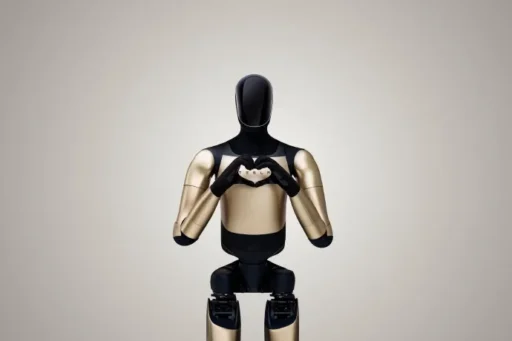


Company filings detail a new technical design for Tesla’s humanoid robot. An international patent named WO2026080687 outlines the setup for the Optimus Generation 3 (V3) hand. The engineering team aims for “superhuman” precision here. They shifted to a biomimetic 22-degree-of-freedom (DOF) system. And this layout closely rivals the 27 degrees of freedom you see in a real human hand.
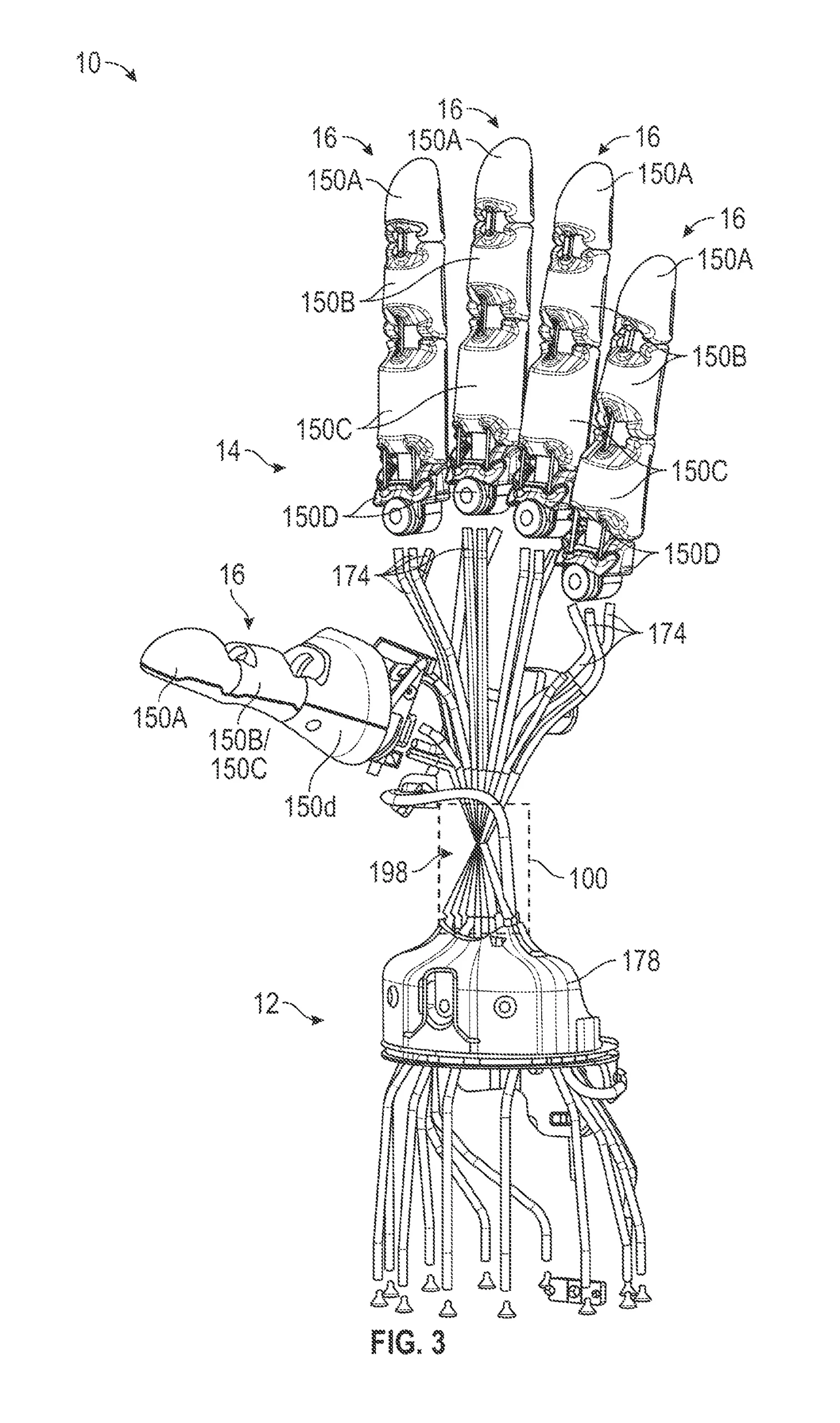
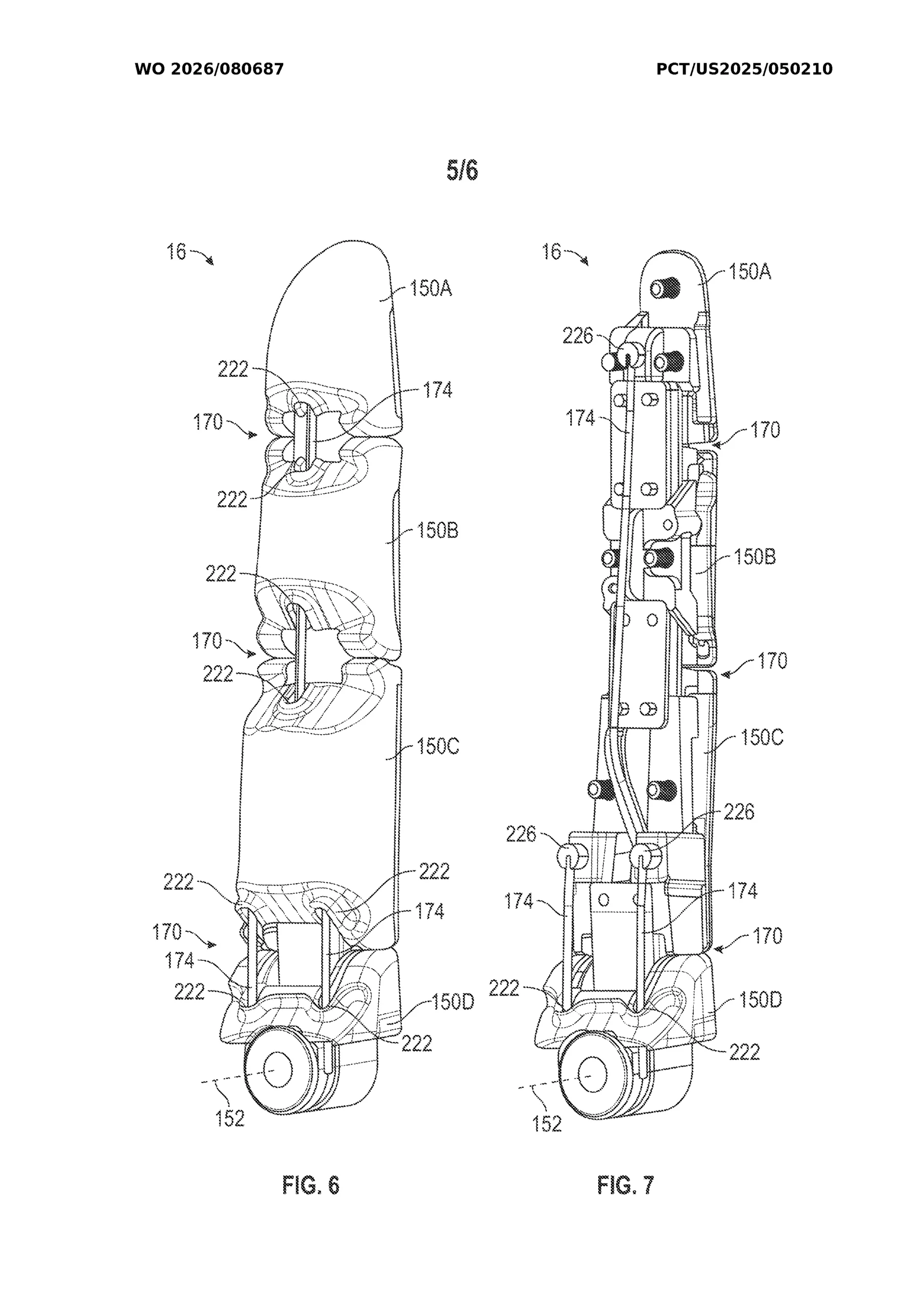
In fact, the V3 hand packs far more mechanical density than older 11-DOF versions. Next, engineers relocated all 25 actuators per arm away from the hand itself, placing them inside the forearm instead. This brings the total up to 50 actuators for both hands combined. Tesla refers to this as a “tendon-driven” layout. It relies on three thin flexible control cables for every finger. Keeping the heavy parts near the core reduces distal inertia, so the robot can move faster with better agility. Still, the setup copies human anatomy, where long tendons link forearm muscles to fingers.

Advanced wrist routing and selective bending
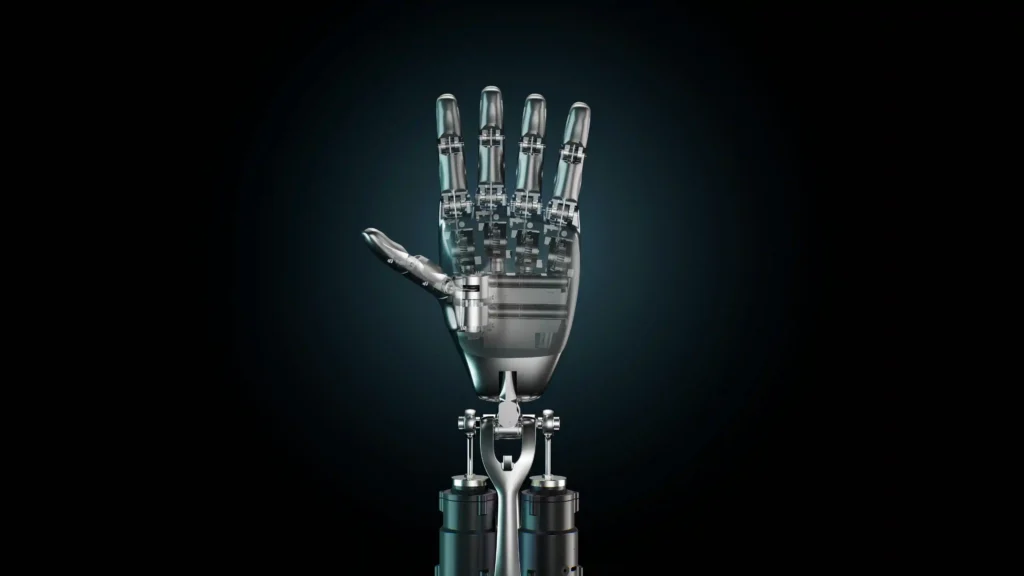
The patent documents point out a special transition zone inside the wrist. This new “advanced wrist routing” mechanism takes cables from a lateral stack in the forearm and shifts them into a vertical stack at the joint.
The change reduces cable stretch and friction during complex pitch and yaw motions. It limits torque and crosstalk to keep grip tension stable in any position. Then the fingers rely on built-in cable channels for “selective bending” tasks. Cables pass behind certain joint pivots and in front of others. So the machine can control distal finger segments independently.
Factory sensors and software
High-fidelity movement works together with tactile fingertip sensors and a 1000Hz force-torque feedback loop. The robot uses these tools to perform delicate factory jobs. For example, it can sort 4680 battery cells or tighten bolts with sub-millimeter accuracy. Software drives all of this hardware behind the scenes. The system runs on the FSD-v15 neural architecture. This setup treats the machine as a “vehicle with legs and hands” according to the text. End-to-end neural networks turn visual input directly into physical commands.
This hardware update lines up with major manufacturing changes at the company. Right now, Tesla is retooling its Fremont facility. They are stopping the Model S and Model X vehicle lines to make room for an Optimus manufacturing hub. Later on, the target is to build 1 million units a year. The consumer price tag should land between 20,000 and 30,000 USD once mass production gets going. But Tesla plans to start using Optimus V3 units internally first. Soon, the robots will handle repetitive assembly and sorting work in company factories starting around Q2 or Q3 of 2026.
You may also like to read:
- First Look: Tesla’s Optimus Gen 3 moves closer to mass production »
- Musk says Optimus 3 is on its feet at Tesla before April launch plan »
- Elon Musk unveils “Macrohard”: Tesla and xAI’s digital Optimus project »
- Tesla China reveals next-gen Optimus hands in new teaser »
We’ve launched an official Tesla Owners Online Forum. Join early and claim your "Founding Fuel" badge.