
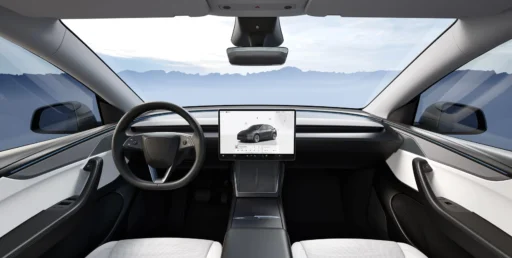
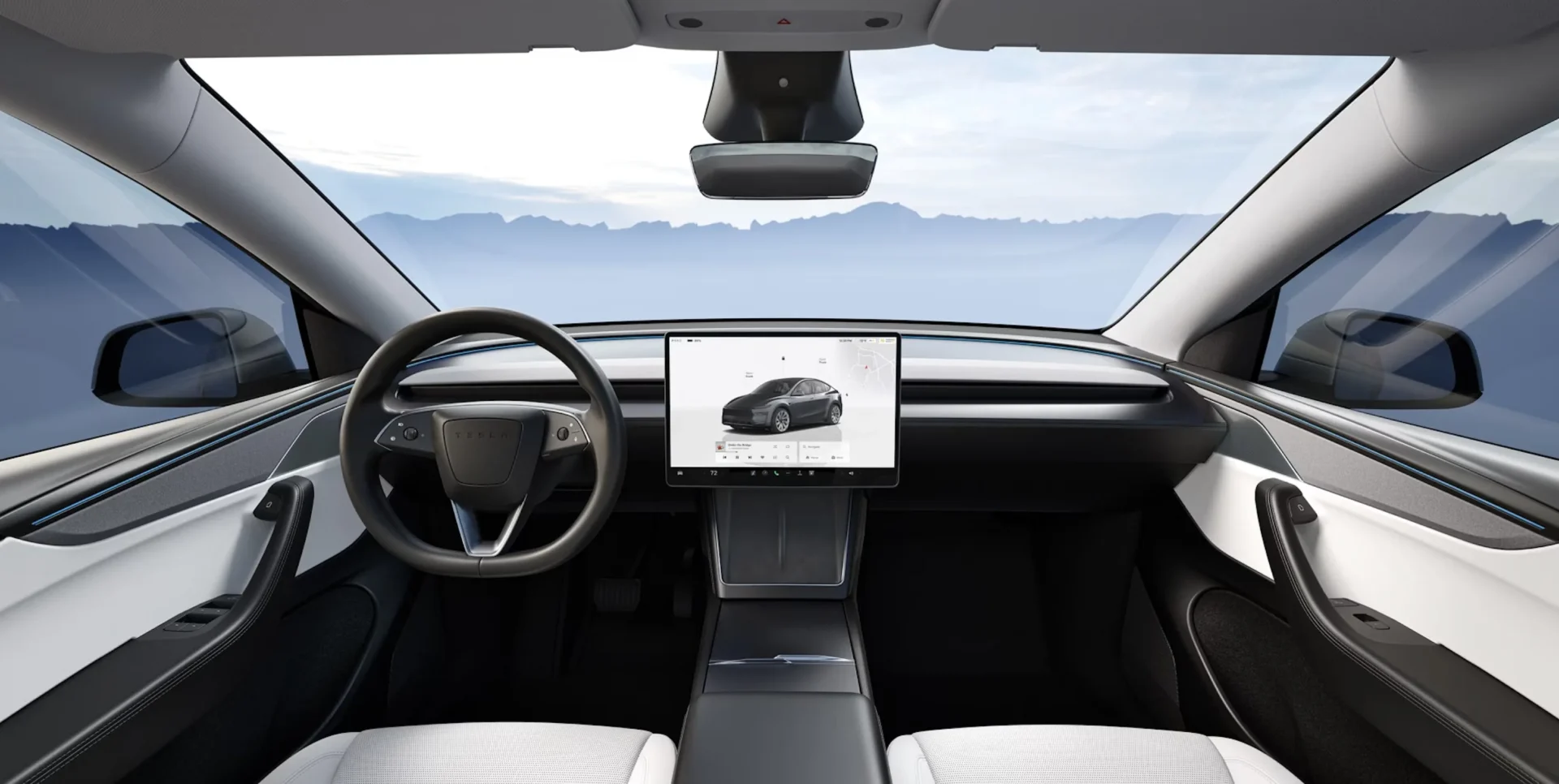
Tesla plans to use its interior cabin camera to verify who is driving before letting Full Self-Driving activate, and independent researchers recently decompiled the Tesla app to find hidden code confirming this upcoming feature. The system will compare the face of the person in the driver’s seat to an authorized profile saved in the car. And the provided explanation from the app code is direct: “If the system cannot confirm the driver matches the authorized profile, it can block FSD and show a failure message in the app.”
The recent mobile software release contained several text strings linked to driver identity checks, and enthusiasts quickly uncovered names like fsdIdentityCheckFailedMessage hidden in the files. This text triggers a warning dialog if the biometric match fails, keeping unauthorized users from activating the system.

Moving past basic attention tracking
Up until now, Tesla stated the cabin camera did not perform facial recognition or save biometric data. The official manuals describe the lens purely as a tool to monitor driver attention, issuing warnings if the person looks away from the road for too long. But recent software patches have quietly added to the sensor’s capabilities over the last few months. The 2026.8.6 update included early logic to estimate a driver’s age, and adding identity verification brings a completely new layer of security to the autonomous driving suite.
Tesla has good reasons to restrict its advanced driver assistance systems to specific people, and safety remains a major factor. Unlicensed teenagers or casual borrowers will no longer be able to engage FSD just by sitting behind the wheel. Some owners have previously tricked the attention monitor using dummy heads or weights taped to the steering wheel to avoid warnings. In fact, verifying a live human face matched to an approved profile stops those hacks from working entirely.
What happens inside the vehicle
A driver gets into the car, and the cabin camera quickly scans their face. Then, the computer compares that image against the authorized user profiles saved on the local hardware to confirm their identity. If the system finds a match, it grants permission to turn on FSD, and standard attention tracking continues as normal for the rest of the trip. A failed check immediately blocks the autonomous features and triggers a notification in the mobile app.
Biometric scanning inside a personal car always brings up privacy questions from cautious drivers. Tesla currently processes cabin camera video directly on the vehicle hardware without sending it to the cloud. Yet facial recognition asks for a higher level of trust from the community. Owners will want to know if they can opt out of the scan without losing access to basic autopilot functions. Tesla often runs new tools in a shadow mode first to gather data before making them active, and we can expect a similar testing phase here to prevent the system from accidentally locking out authorized drivers.
We’ve launched an official Tesla Owners Online Forum. Join early and claim your "Founding Fuel" badge.
As long as you cannot completely disable any cameras or microphones, your privacy will ALWAYS be compromised.
DUMP TESLA BRING BYD