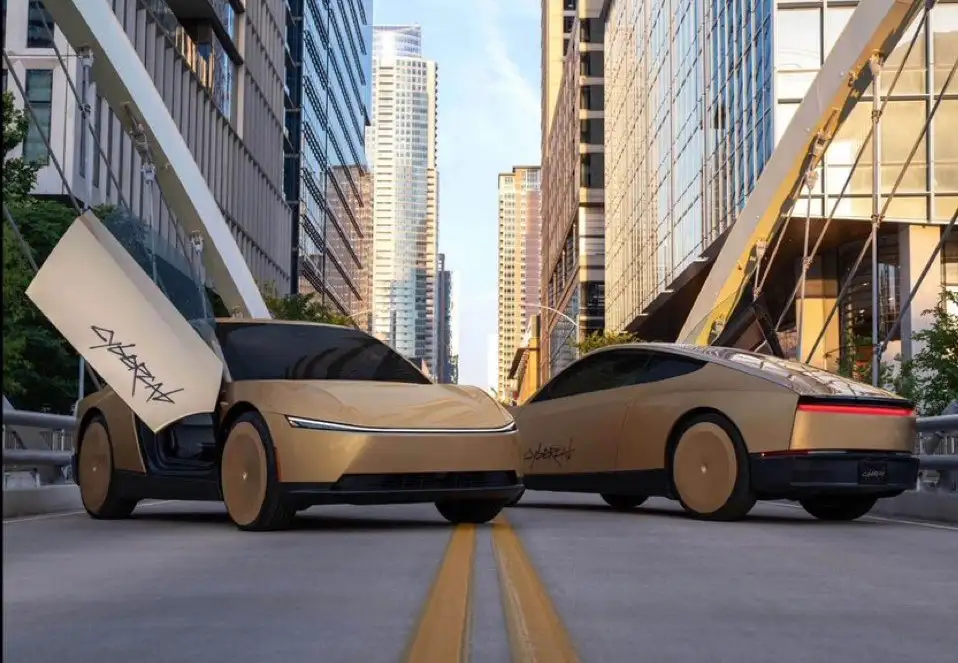
Tesla introduced the Cybercab in Austin Texas on September 3 2026. The two-seat electric vehicle has no steering wheel or pedals and is built to operate without a human driver in designated zones. Rides are now available through the company’s existing Robotaxi app in limited parts of Austin. This marks the first time a major automaker has placed a purpose-built control-free car into paid public service. The vehicle as the world’s first mass-produced model made from the start for fully autonomous driving though initial use stays tightly geofenced and under regulatory review.
Cybercab is democratizing clean transportation for all pic.twitter.com/Raz5dy2Q3Z
— Tesla (@Tesla) September 3, 2026
Earlier Tesla robotaxis relied on modified Model Y vehicles that still carried steering wheels and pedals. Cybercab was engineered from the beginning to depend only on autonomous software with no option for manual control inside the cabin. This choice moves the company from adapting consumer cars to building driverless vehicles as a separate product line.
Cabin layout and how passengers experience the ride
The cabin holds two seats in a minimalist space reached through upward-opening scissor-style doors. Riders can set climate seat position and media preferences in the app before the car arrives. Passengers recognize their vehicle by the color of its headlights then use a single large central tablet and voice commands once inside. Tesla has integrated Grok the AI assistant from xAI so riders can speak naturally to control certain functions and request information during trips. Cargo space is limited and the vehicle holds only two people.
Cybercab uses a single front-mounted permanent magnet AC motor rated at roughly 219 horsepower paired with a lithium-ion battery pack of about 47 to 48 kWh. Preliminary range numbers differ by source with EPA filings and company data giving an estimated band between 293 and 418 miles. Tesla points to efficiency gains over its larger Model Y-based robotaxis. The company reports energy use near 5.5 miles per kWh and curb weight around 3,113 pounds. The vehicle is set up for high-efficiency inductive charging with target efficiencies above 90%.
Autonomy hardware and software
Cybercab runs entirely on Tesla’s Full Self-Driving software stack on the company’s AI4 computing platform. The system handles all driving tasks inside geofenced service areas with no in-vehicle fallback controls. Tesla has refined the system with data from private and public road tests including thousands of driverless miles by modified Model Y robotaxis in Austin and other cities over the past year. Remote operators watch the vehicles and can step in during emergencies. The Cybercab itself gives passengers or safety drivers no way to take control.
Tesla held an “Exclusive Access: Cybercab” event on September 3 inviting top Robotaxi riders and select entrants while livestreaming the unveiling. Attendees at the Austin gathering were among the first non-employees to request Cybercab rides inside a geofenced area of the city through the Robotaxi app.
As of early September Tesla had 45 Cybercab units registered among 420 autonomous vehicles in the state. The numbers point to a limited but real starting fleet as the company prepares for wider expansion.
Pricing production plans and scale goals
Analyst estimates from AJ Securities place the unit cost of Cybercab in the roughly 23,000 to 25,000 dollar range. Elon Musk has previously stated a target vehicle price under 30,000 dollars to keep per-mile operating costs competitive with traditional ride-hailing.
Pilot production began at Gigafactory Texas in February 2026 and Tesla announced that full production started around April then increased ahead of the launch. Company filings discuss ambitions to reach volumes in the millions annually once multiple plants reach full capacity later in the decade.
Alongside the launch Tesla opened a form to collect cooperation intentions from businesses and institutions including fleet procurement mobility hub construction and event partnerships.
Before Cybercab Tesla already operated driverless Model Y robotaxis in limited areas of Austin Dallas Houston Miami Orlando and Tampa. Those vehicles used the same Full Self-Driving stack but kept manual controls. The new vehicle adds a more efficient purpose-built car to that service rather than creating an entirely separate network. Tesla recently extended Robotaxi operating hours to 6 a.m. to 10 p.m. seven days a week across its footprint in preparation for the rollout. Over time the company has said it intends for Cybercab to become the main vehicle in its robotaxi network with modified consumer cars taking a smaller role as the fleet expands.
Safety review and regulatory steps
The U.S. National Highway Traffic Safety Administration said it is evaluating Tesla’s Cybercab rollout in Austin after news that the company is operating a steering-wheel-free pedal-less vehicle on public roads. Texas regulators list hundreds of autonomous vehicles from Tesla and other companies registered in the state. Recent approvals in Nevada have opened the door for up to 8,000 robotaxis from multiple operators over the next year.
Tesla sees Cybercab as central to its long-term growth strategy. Musk has repeatedly stated that a global robotaxi network could become the company’s primary revenue driver and make Cybercab its highest-volume vehicle.
The future of transport is safer, more enjoyable & gives you more time back
— Tesla (@Tesla) September 3, 2026
With theater, music & gaming apps on a 22" touchscreen, Cybercab offers you a space to be productive or unwind
Soon to be equipped with V5 Starlink hardware, too, for complete connectivity pic.twitter.com/e0Xhvjky0E
We’ve launched an official Tesla Owners Online Forum. Join early and claim your "Founding Fuel" badge.