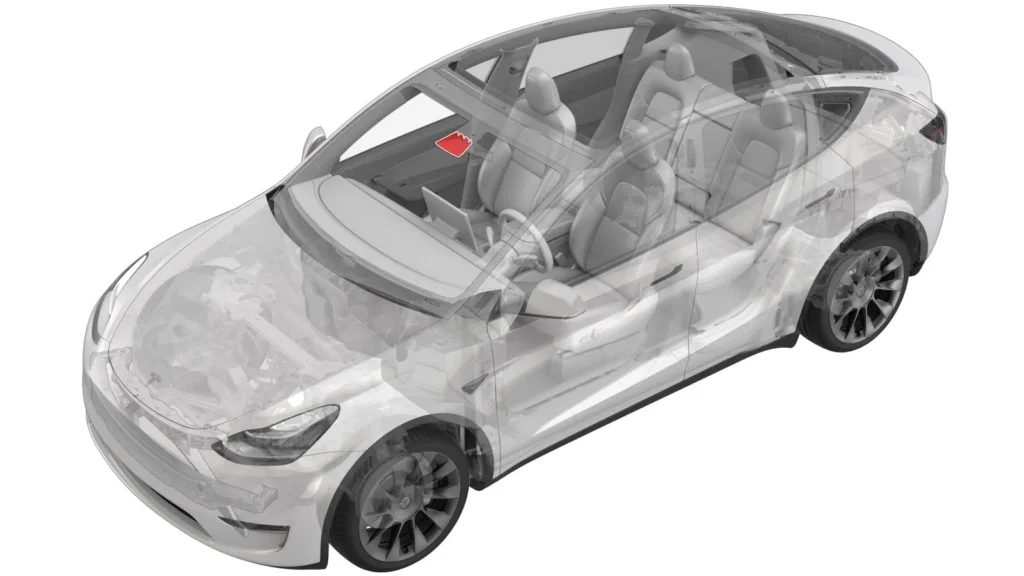
Tesla is working on a new camera shield that uses tiny cone shapes and a moving cover to cut sun glare on its front cameras. The technology appears in recent patent filings and comes as the company expands Robotaxi testing in Austin, Texas.
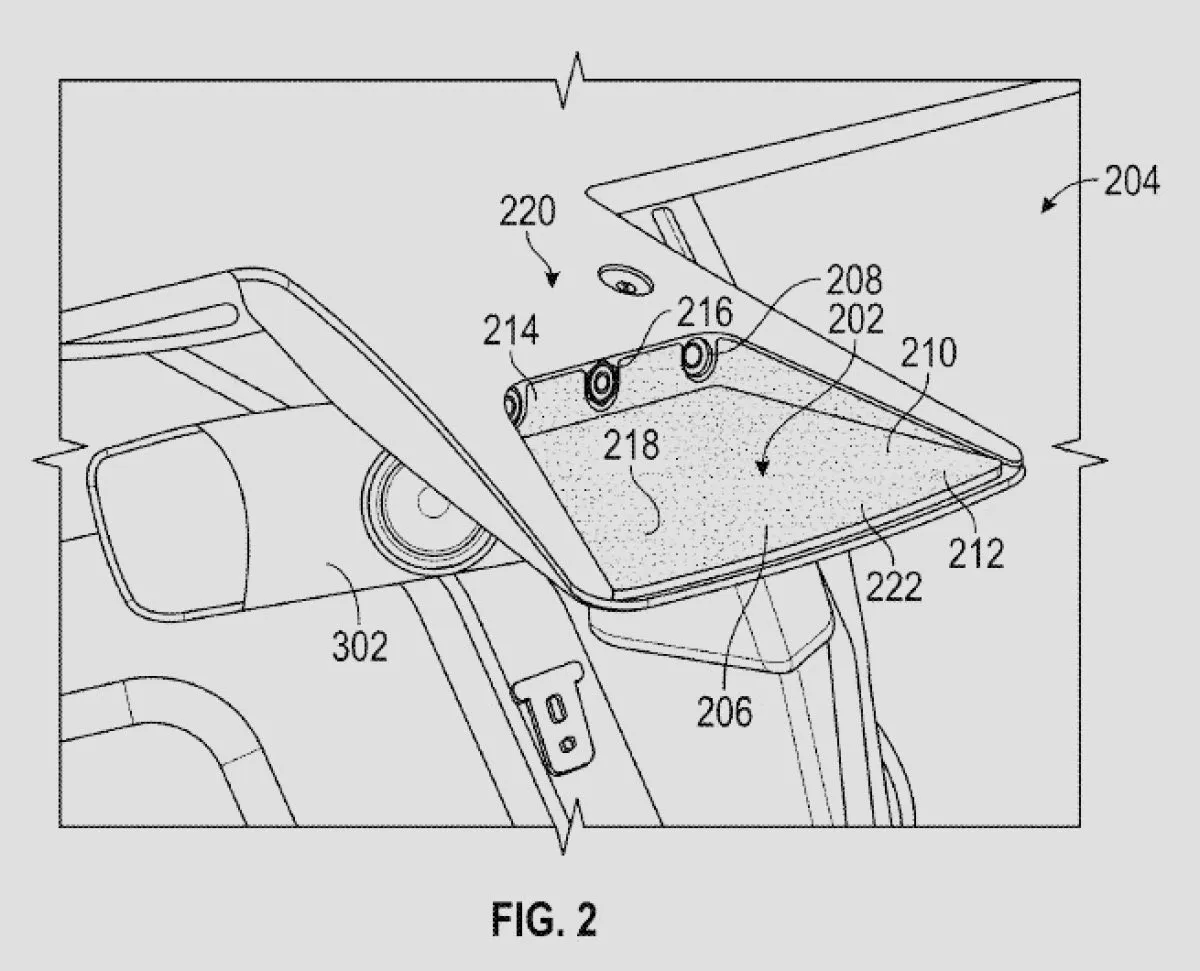
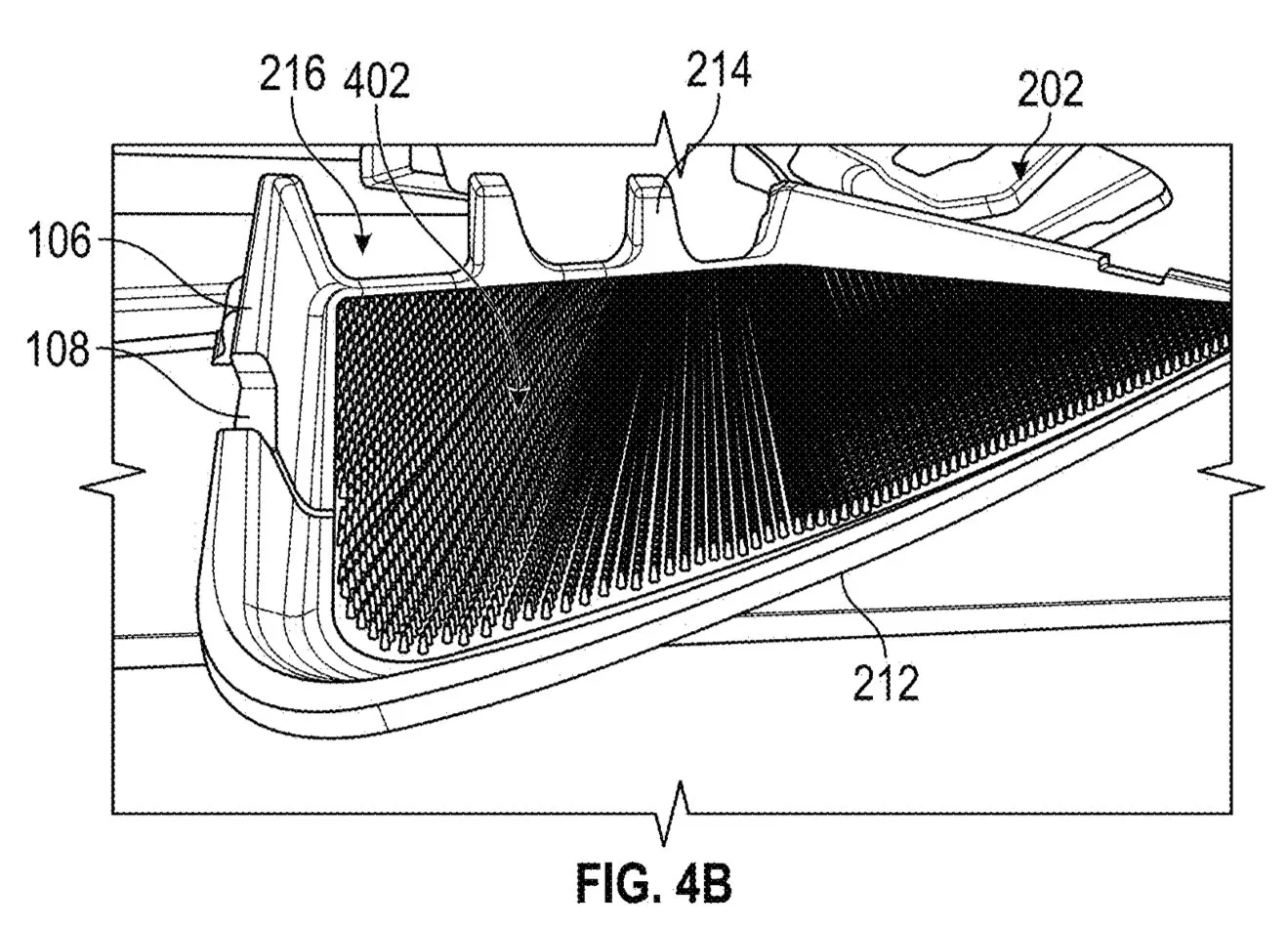
Engineers want this hardware to protect camera vision in harsh light, where current systems still struggle and can trigger Full Self‑Driving (FSD) disengagements.
Passive micro‑cone surface that absorbs light
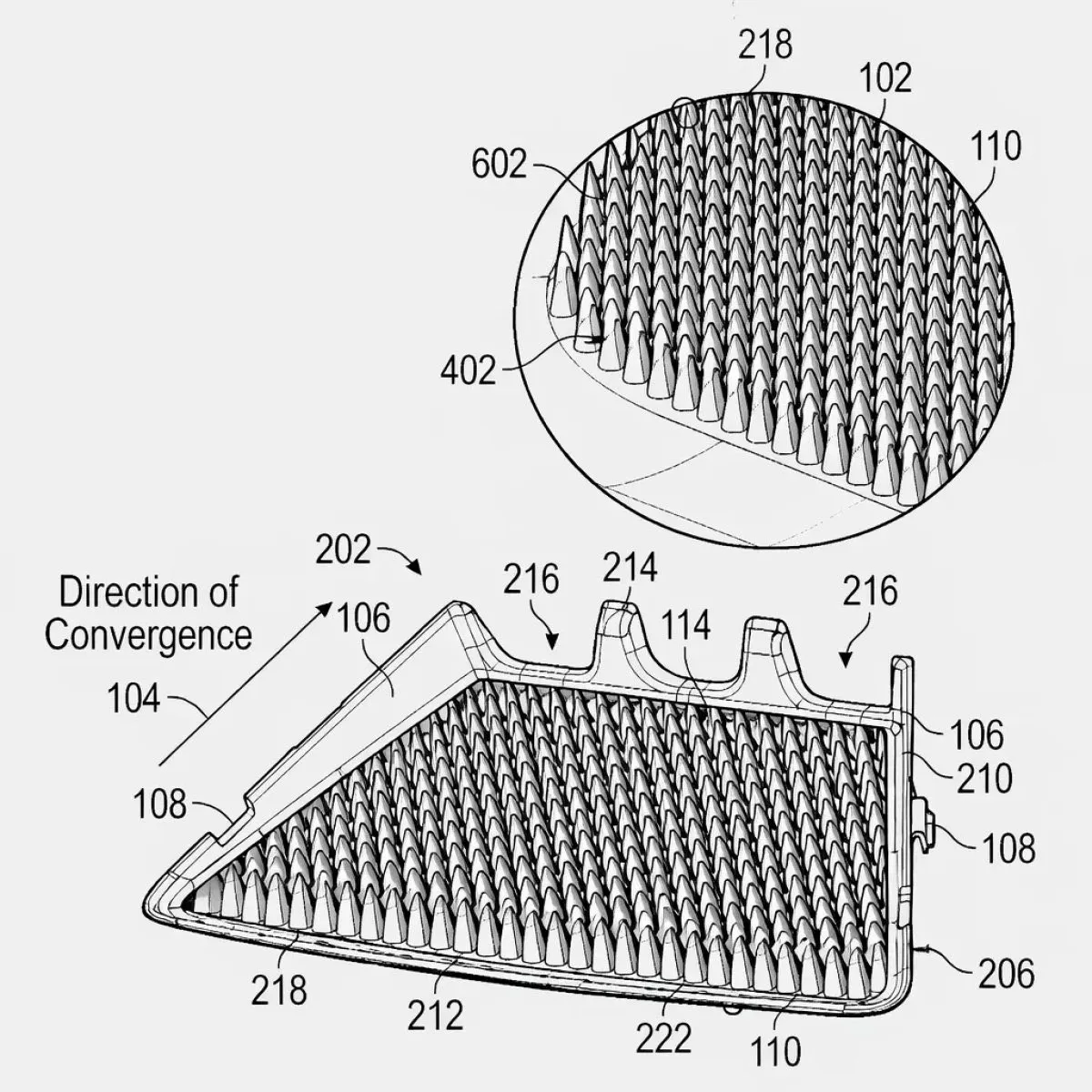
The patent titled “Cone‑Textured Glare Shield for Enhanced Camera Vision” (US 2025/0334856 A1) describes a passive layer made of microscopic cone structures on the shield surface. These cones stand roughly 0.65 millimeters to 2 millimeters tall and end in sharp tips to control how light hits the material.
Sunlight striking that textured surface at shallow angles bounces between the cone walls many times, so the energy fades instead of reflecting into the camera lens. As a result, Total Hemispherical Reflectance drops sharply, which limit stray light and improves contrast for the camera feed.
Engineers can add an ultra‑black coating on top of this geometry, similar to Vantablack‑style or carbon‑nanotube coatings used in optical systems. Tests reported for automotive variants such as VBx suggest absorption above 99 percent of visible and near‑infrared light, with coating thickness under 30 micrometers and only a few grams of added weight per vehicle.
Active motorized shield that tracks the sun
The same patent outlines an active system that moves a shield in front of the camera by using small motors and actuators. These components tilt the glare shield in real time based on where the sun or another strong light source sits relative to the vehicle.
In practice, the motorized shield behaves somewhat like a mechanical eyelid for the camera, updating its angle as the car turns or as the sun moves across the sky.
Control logic can link this motion to existing vehicle sensors, navigation data, and camera feedback so the adjustment reacts to both time of day and actual exposure levels. This aims to cover fast‑changing light, for example when a Robotaxi exits a tunnel into bright sunlight or moves through gaps between tall buildings.
Manufacturing approach for micro‑cones
Tesla’s filing addresses how to manufacture these sharp, small cones at scale without quality loss. The patent points to sintered steel inserts, which look solid but allow air to pass through tiny pores inside the metal.
During molding, air can vent through those inserts, which helps form the fine cone tips without trapping gas or causing surface defects. This method lets the tool steel carry both structural loads and venting, so the cone geometry stays consistent across large production runs.
The cone‑textured glare shield patent sits alongside another optical filing, EP 4640429 A1, that deals with distortions from curved windshields. That earlier work focuses on ghosting and double images from glass layers, which can confuse vision systems when headlights or traffic signals appear as duplicates.
Taken together, the two patents address both transmission through glass and reflection near the camera housing, creating a more controlled optical path from the road scene to the sensor.
Current Hardware 4 (sometimes called AI4) vehicles already use 5‑megapixel sensors, deep red infrared‑cut and anti‑glare lens coatings, and a dynamic range above 120 decibels, up from roughly 110 decibels in Hardware 3. These cars also carry heating elements near the cameras to melt snow or ice and clear the field of view in winter conditions.
FSD glare complaints
Owners have long reported that low sun can saturate front cameras and lead to warnings, disengagements, or FSD refusing certain maneuvers. Community posts describe “blinded” forward cameras at sunrise and sunset, especially on highways where the car heads straight into the sun for long stretches.
Tesla has tried several software‑side techniques to limit these problems. Engineers have talked about “direct photon counting,” a method that tries to extract signal even when some pixels are saturated by bright spots. FSD version 14 also added new camera‑focused cleaning and control behavior, including targeted use of wipers and washer fluid in front of the forward camera area.
Yet harsh glare remains a risk factor for both supervised FSD and future unsupervised Robotaxi service, so hardware changes such as the micro‑cone shield aim to reduce that exposure at the source.
Recent software releases such as 2025.44.25.5, which carries FSD v14.2.1.25, focus on smoother control decisions, improved lane selection, and better handling of complex intersections. The system now behaves more naturally in traffic, though edge cases like extreme glare still draw attention from both supporters and critics.
For now, the company has not confirmed when this hardware will reach production cars, and patents do not always translate directly into shipped parts.
You may also like to read:
- Tesla readies fresh side repeater cameras as AI5 hardware nears »
- Tesla offers no-cost camera cleaning after new warning update »
- Tesla FSD v14 brings smarter camera heating »
We’ve launched an official Tesla Owners Online Forum. Join early and claim your "Founding Fuel" badge.