



Tesla’s 2025 Holiday Update, version 2025.44.25.1, is now rolling out to Hardware 1 Model S and Model X built from 2014 to 2016 and these vehicles are more than a decade old, yet they are still receiving useful software upgrades.
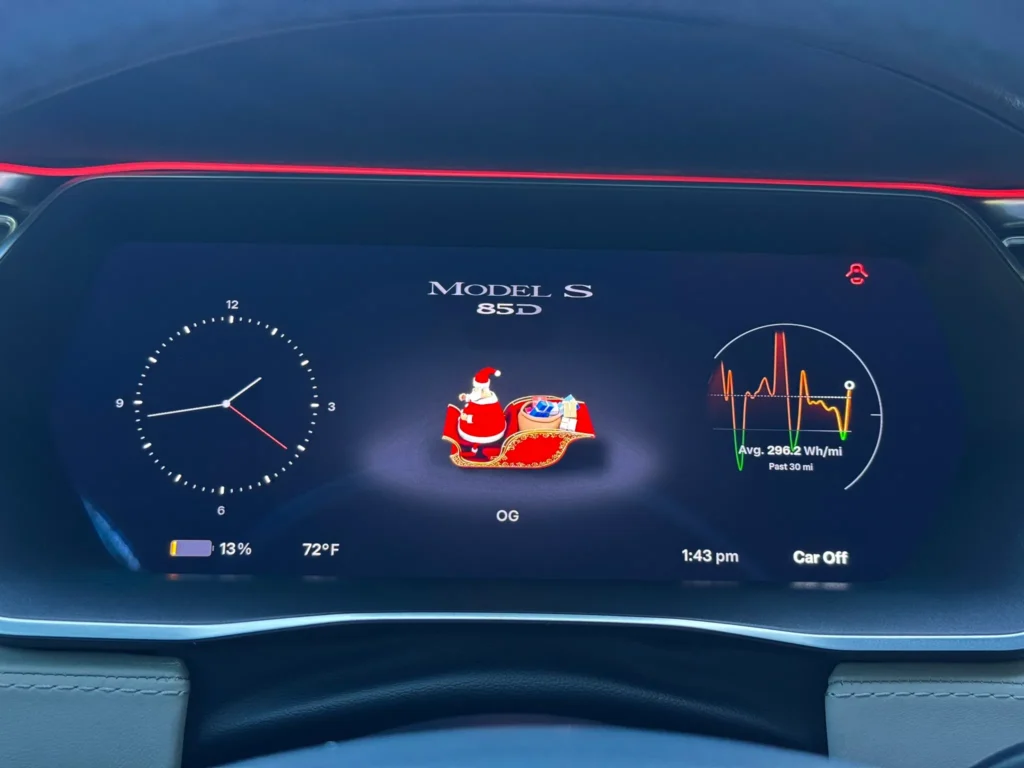
Many newer models get high-profile visual features, but the focus for these legacy cars is different. The update targets practical tools, so owners see gains in navigation and charging behavior that they can use every day.
Navigations Improvements
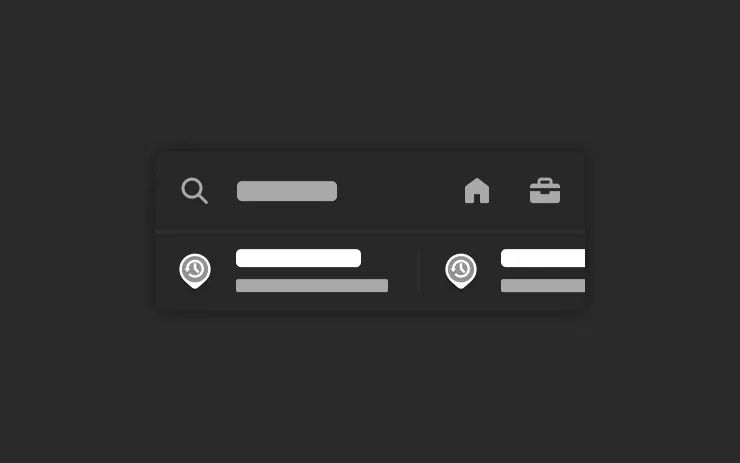
The update brings more control over stored destinations in the navigation system. Home and Work are no longer locked to a strict street address, and drivers can now drop a map pin to match the actual parking spot.
Drivers get more flexibility with favorites too, and this is great for people who rely on the car’s memory instead of typing each time. The favorites list can be reordered, so the most used locations sit at the top instead of being buried under older entries. In addition, the system can suggest destinations based on recent trips, so common routes like a commute or school run are quicker to start.
Save Charge Limit by Location

A key feature in this release is “Save Charge Limit by Location.” In the past, the car could remember charging amperage at a site, but the State of Charge limit stayed global and had to be changed by hand for different use cases. Now the car can keep different charge limits for different places, so owners gain more control without constant adjustment.
At home, many drivers prefer a moderate limit, often around 70–80 percent, to support long‑term battery health. At work, if charging is free or easy, a higher limit such as 90 or 100 percent can be set, so the car is ready for longer trips. And at a vacation house or remote location with slower charging, a higher cap can again help make sure there is enough range for the return drive.
Features that do not reach HW1
Hardware 1 cars lack several cameras and newer processors, so some headline parts of the 2025 Holiday Update stay limited to later vehicles. For example, they do not receive high‑fidelity 3D parking views built with modern game engines, or rich visualizations that depend on newer AMD or Intel platforms. They also miss camera-based apps like “Photobooth” and AI-heavy assistants that need interior cameras, upgraded microphones, and extra compute.
The company has selected features that fit the older platform. The focus stays on functions that run reliably on HW1, such as navigation logic and charge controls, instead of pushing visual features that might strain older chips.
For owners of 2014–2016 Model S and Model X, this release reinforces the idea that their vehicles keep gaining value through software, even many years after delivery while many cars of similar age see only basic security patches.
Early adopters who bought into the brand when these models were new now see that their decision still brings concrete benefits, and used buyers gain confidence that the software platform remains active across different generations of hardware.
You may also like to read:
- Tesla moves toward native satellite links with new roof design »
- Starlink offers free internet to Cyclone‑hit Indonesia and Sri Lanka »
- Tesla launches free 40‑day FSD v14 holiday trial »
We’ve launched an official Tesla Owners Online Forum. Join early and claim your "Founding Fuel" badge.