
Tesla’s airbag timing feature is drawing fresh attention after new public comments from a company safety engineer, yet the software change itself is not new. The feature first appeared in Tesla update 2025.32.3 in early September 2025.
Feature first arrived in 2025
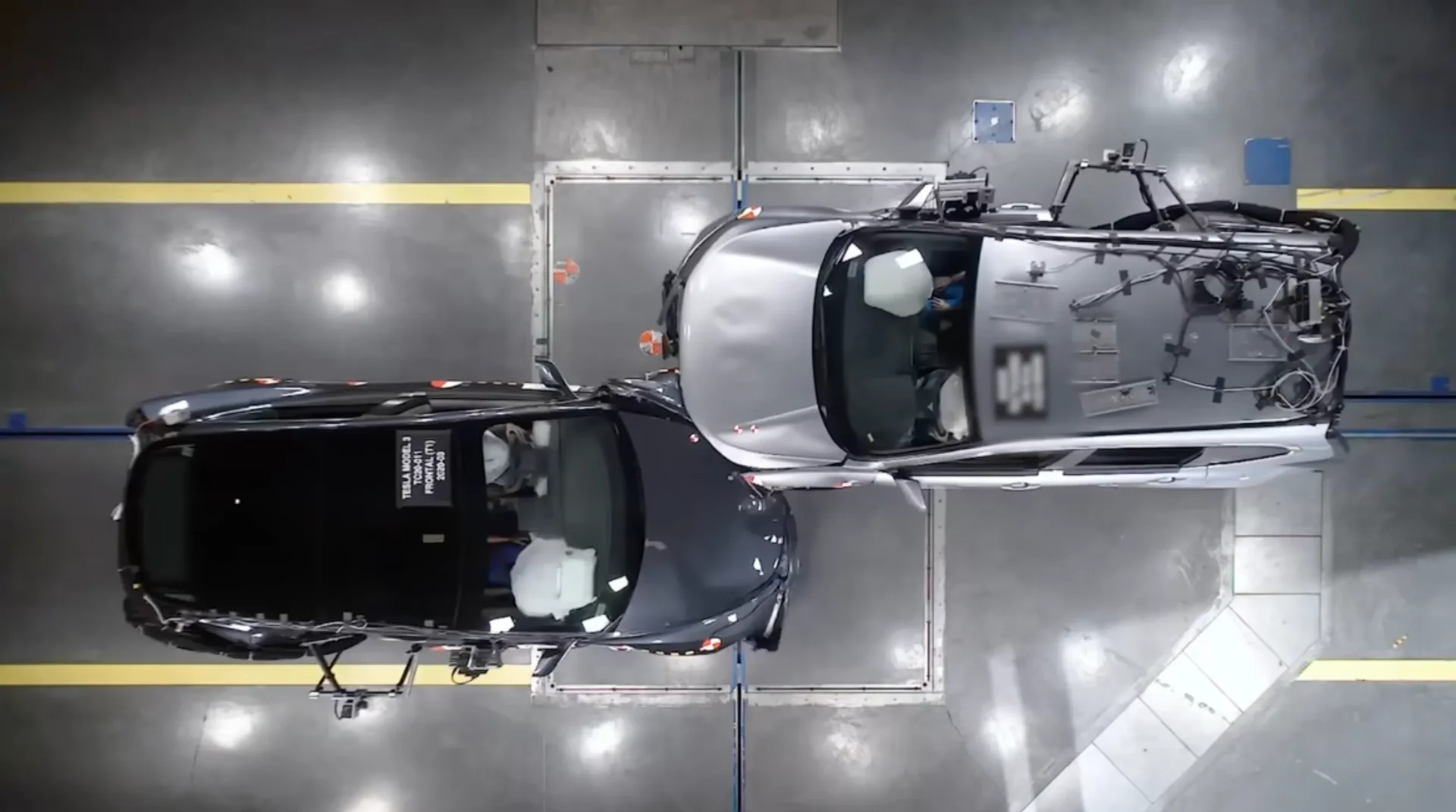
Tesla labeled the change “Frontal Airbag System Enhancement” in update 2025.32.3. In those release notes, the company said Tesla Vision helps front airbags begin inflating and restraining occupants earlier in certain frontal crashes. Tesla added that the feature builds on the vehicle’s existing crash protection and crash-test performance.
Release information tied the feature to 2023 and newer Model 3 and Model Y vehicles, along with some 2022 model year cars, and support for some newer Model S and Model X vehicles as well.
Why the topic is back now
The older update moved back into the news after Tesla safety engineer Brandon Goh said Tesla Vision can deploy airbags up to 70 milliseconds before impact in an unavoidable crash. That comment gave new life to a feature that had already been listed in Tesla’s software notes months earlier. And it reopened discussion around Tesla’s push to add safety functions through over-the-air updates after a vehicle has already been delivered.
Tesla Vision allows us to deploy airbags up to 70 milliseconds earlier if your Tesla detects an unavoidable collision
— Tesla (@Tesla) May 8, 2026
This can be the difference between serious injury & walking away from a crash pic.twitter.com/21p6WttQ9V
Recent safety news around the Model Y gave the topic more attention. On May 7, 2026, the National Highway Traffic Safety Administration said the 2026 Tesla Model Y became the first vehicle model to pass the agency’s new Advanced Driver Assistance System tests under the updated New Car Assessment Program. NHTSA said those tests covered pedestrian automatic emergency braking, lane keeping assistance, blind spot warning, and blind spot intervention.
Tesla says the upgrade uses its camera-based Tesla Vision system to help trigger frontal airbag deployment earlier in a severe frontal crash. The cameras estimate an imminent collision just before contact, giving the restraint system extra time to react. Tesla has said that head start can reach up to 70 milliseconds in some cases.
The company has not said Tesla Vision replaces the standard crash sensors used in the restraint system. The camera input works with the existing hardware, rather than taking over the full crash decision on its own.
The renewed attention says less about a brand-new software release and more about how older Tesla features can return to public view when fresh comments or new safety milestones put them back in focus. In this case, a September 2025 software update has resurfaced in May 2026 as Tesla. The episode is another reminder that some changes to core vehicle functions can arrive long after purchase through software alone.
We’ve launched an official Tesla Owners Online Forum. Join early and claim your "Founding Fuel" badge.