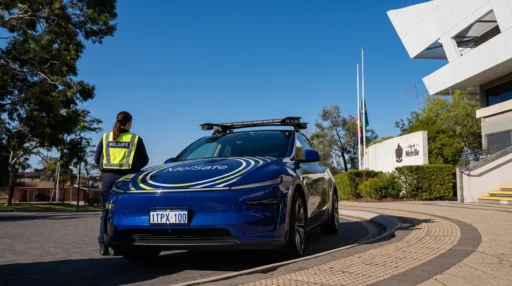
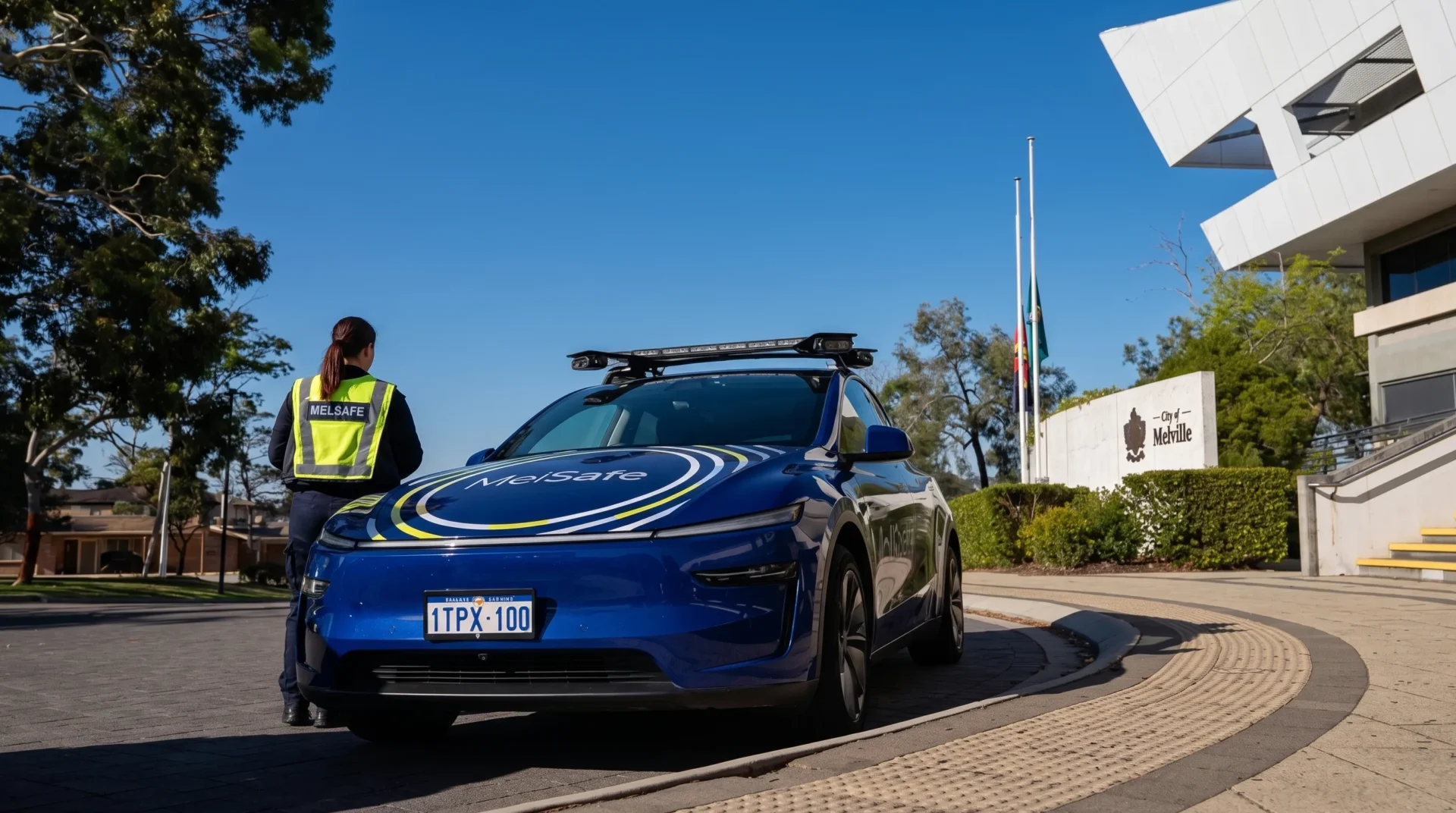

The City of Melville in Western Australia decided to replace its entire emergency response fleet with electric vehicles, and local officials purchased Tesla Model Y SUVs for the MelSafe community safety service.
The city expects to save about $50,000 USD each year on fuel and maintenance, and the new fleet operates around the clock to support local residents. The vehicles stay on the road constantly to meet heavy community demands.
Handling daily operations and emergency calls
The MelSafe service runs 24 hours a day and seven days a week, and officers work continuous 12-hour rotating shifts to keep the city safe. They handle routine patrols along with ranger services and animal management tasks.
The team often works directly with Western Australia Police and the State Emergency Service when situations escalate. They provide emergency response support alongside the Department of Fire and Emergency Services and St John Ambulance.
The transition needed to happen perfectly to maintain these services for the public. Emergency vehicles take heavy abuse during their service life. They idle for long periods at accident scenes and rush to calls at high speeds. The electric motors handle this varying workload well without putting extra strain on mechanical parts.
Cutting down maintenance and fuel costs
A traditional gas-powered fleet costs a lot of money to keep running, so the switch to electric vehicles eliminates the need for expensive fuel. The cars need fewer trips to the mechanic since they lack internal combustion engines. Mechanics never have to perform routine oil changes or replace worn transmission parts.
The city projects annual savings of AU$70,000 from these reduced running costs alone. The cost difference becomes clear when looking at the entire life of the vehicle. Gas prices change constantly, and local budgets often take a hit when fuel costs spike unexpectedly. Charging the vehicles on a steady electricity rate gives the city a predictable budget.
The vehicles produce zero tailpipe emissions as they drive through residential neighborhoods, and this helps the local government reach its environmental targets over time.
Modifying the cars for police work
The city could not just buy standard consumer cars off the lot and put them right to work. Technicians modified the Model Y fleet heavily to meet strict municipal requirements. They installed bright emergency lighting systems and advanced automatic license plate recognition technology on the cars. The rear cargo areas received specialized animal handling equipment to help officers with their daily ranger duties.
Modern emergency vehicles often end up cluttered with random laptops and separate display screens, but the city solved this problem by routing all required safety software and in-vehicle camera feeds directly into the main Tesla displays. Head of Community Safety Mike Emery said this setup heavily reduces driver distraction. He noted officers can keep their eyes on the road instead of looking at multiple devices.
Improving conditions for officers on patrol
Working continuous 12-hour shifts takes a serious physical toll on personnel, and extreme weather conditions in Western Australia make the job even harder for emergency responders. The electric fleet includes remote cabin pre-conditioning to help solve this problem. Officers can cool or heat the car from their phones right before they start an overnight shift.
Emery pointed out this simple feature makes a massive difference for the people working on the ground. The cars run silently, and this allows officers to patrol neighborhoods at night without waking up residents. Local residents responded positively to the quiet cars patrolling their streets without generating exhaust fumes.
Mayor Katy Mair called the transition a complete success for the city. “It’s been a big winner with our community. They think they are fantastic,” she said. She added other local governments would not regret making the exact same choice when it comes time to upgrade their fleets.
Transitioning to a Tesla fleet – Video
The City of Melville in Western Australia has fully transitioned its MelSafe community safety service to a Tesla Model Y fleet. The switch has delivered around AU$70,000 (approximately US$50,000) in annual savings from fuel and maintenance pic.twitter.com/EuyfjwGwNI
— Teslamagz (@teslaxmagz) April 24, 2026
You may also like to read:
- Tesla police vehicles cost 4x less to run than gas rivals »
- Tesla links FSD v15 on AI4 to push for unsupervised driving where legal »
- Tesla FSD v14.3.2 is now rolling out via software update 2026.2.9.8 »
We’ve launched an official Tesla Owners Online Forum. Join early and claim your "Founding Fuel" badge.