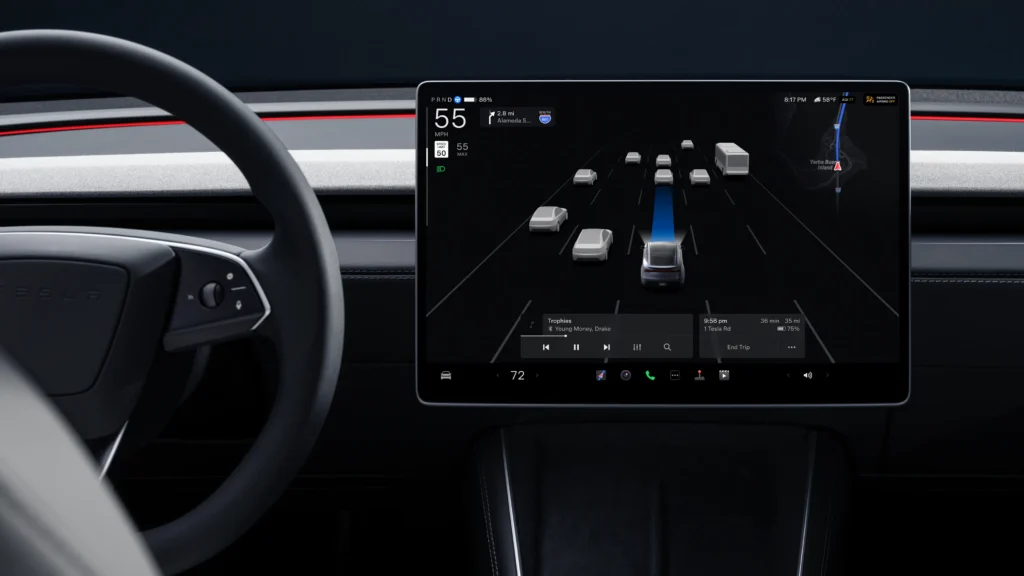
On November 15, 2025, a man left Atlanta before dawn, driving his 2026 Tesla Model Y Launch Edition west on I-20 to Birmingham to help care for his mother. Tesla Full Self-Driving was active, running version 14.1.3, which he had just installed. During the trip, he developed severe chest pain and started to lose consciousness.
Around 3:50 a.m., he called his son, Jack Brandt. His voice was weak. He said he could not safely control the car anymore, yet the vehicle was still under FSD and moving along the dark interstate.
Family makes a fast call
Brandt quickly added his grandfather to the call. The three of them had only moments to decide what to do. They discussed whether he should pull over and wait for an ambulance, keep going toward Birmingham, or go to a closer hospital along I-20.
Brandt’s grandfather contacted an uncle in Douglasville, Georgia. That uncle recommended Tanner Medical Center in Carrollton as a nearby option. This gave them a specific hospital to target, and it gave Brandt a clear next step.
Brandt opened Google Maps and found Tanner Medical Center in Carrollton. He then used the Tesla app to send that location directly to his father’s Model Y as the new destination. He could do this because he was an authorized driver on the Tesla account.
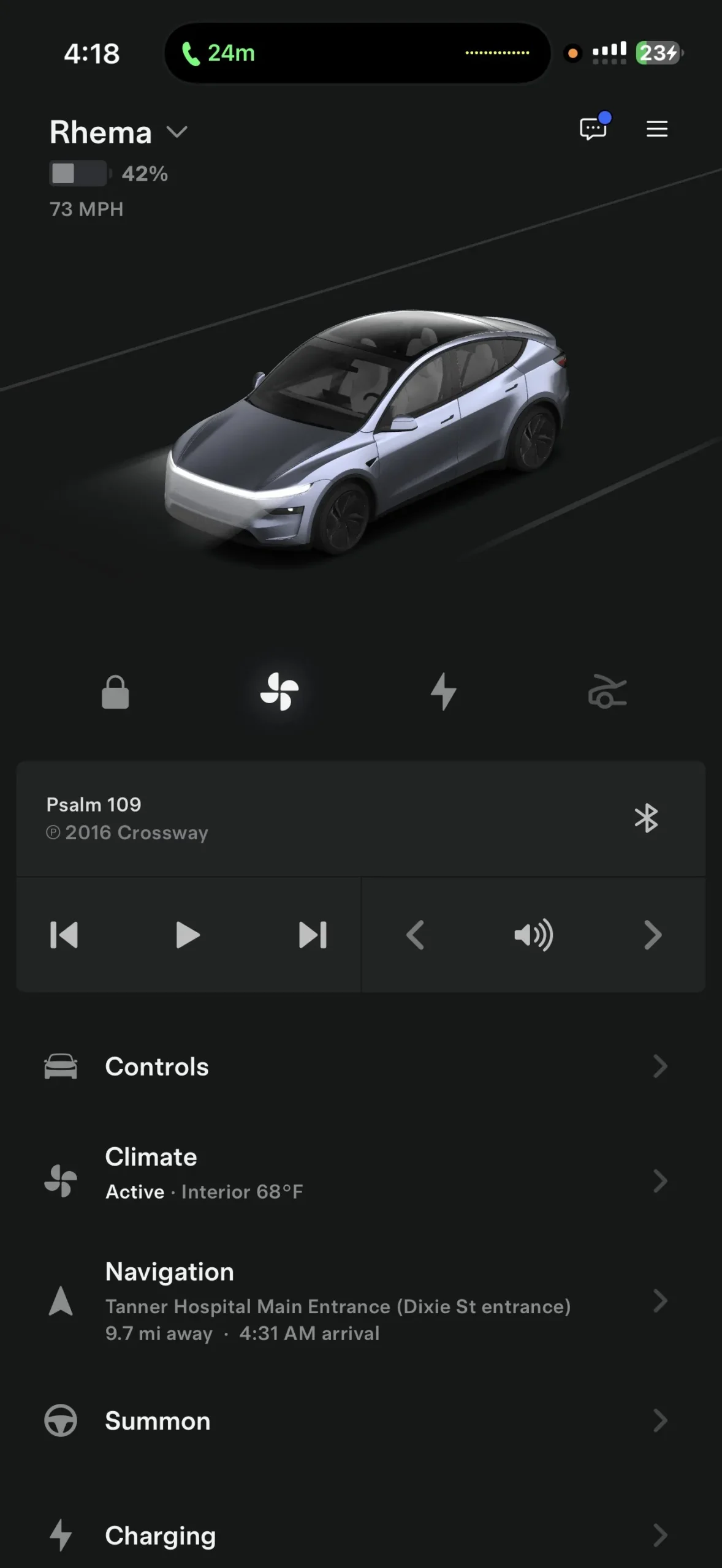
At the time, Brandt was driving his own 2014 Model S, fitted with openpilot, and was already heading in his father’s direction. But from miles away, he was also guiding the car electronically, using the app to change the FSD route.
FSD handles the highway and streets
By the time the Model Y received the hospital destination, it had already passed the main Carrollton exit on I-20 West. After the update, the car took the next exit, turned around, and joined I-20 East. It then headed back toward Carrollton, following the new route.
From there, FSD guided the vehicle off the interstate, along local roads, and to the entrance of the Tanner Medical Center emergency department. The driver, fading in and out, still managed to switch the FSD speed profile to “Mad Max” so the car would move faster in light traffic. The family called ahead to the hospital, so staff were ready as the car arrived.
Doctors at Tanner Medical Center diagnosed a STEMI heart attack, a severe form of myocardial infarction that calls for urgent treatment. They found three coronary arteries that needed immediate intervention. The team moved quickly to restore blood flow.
Later, the doctors told the family that if he had stopped on the roadside to wait for emergency services, or tried to continue all the way to Birmingham, he likely would not have survived. Time and location were both critical.
Adams Heart Center’s preparedness
Tanner Medical Center in Carrollton includes the Adams Heart Center, which focuses on advanced heart and vascular care.
Brandt later said his family had not known about this cardiac capability before that night. Yet they learned that the hospital had the staff and equipment ready to treat a serious heart attack at 4 a.m.
Brandt has said his father is alive for four reasons: God, Tesla FSD keeping the vehicle under control when his father could not drive, the Tesla app that let him redirect the car from miles away, and the team at Tanner Medical Center that treated the STEMI in time. He thanked Tesla, Elon Musk and the company’s AI group in public posts, stressing that this was not a theory but his own father’s case.
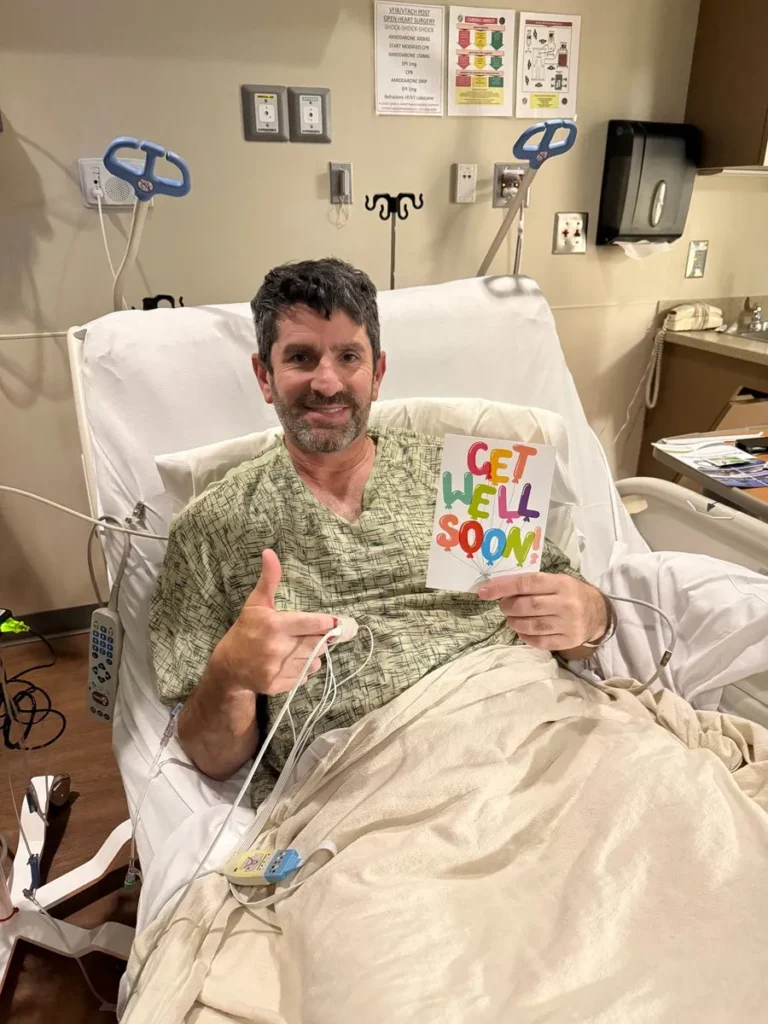
He also praised the staff at Tanner Medical Center in Carrollton, saying his family did not think there was a better hospital they could have reached that morning. His father is now recovering after the procedures.
There have been earlier accounts of Tesla FSD helping drivers reach hospitals during health crises, so this story now sits beside those. At the same time, regulators and safety experts continue to examine automated systems, asking how they perform in everyday driving and what happens when drivers rely on them in rare high-risk moments.
You may also like to read:
- Tesla FSD safety data goes public with real-time live counter »
- Tesla Cybertruck FSD helps driver avoid deadly crash in New Mexico »
- Tesla’s autopilot keeps couple safe in suspected meteorite incident »
We’ve launched an official Tesla Owners Online Forum. Join early and claim your "Founding Fuel" badge.