
Automaker Tesla now relies on the built-in microphones inside its vehicles to find assembly defects before cars leave the factory floor. Vice President of Engineering Lars Moravy recently detailed the strategy during an interview, noting how the company uses acoustic data to monitor new vehicles for issues.
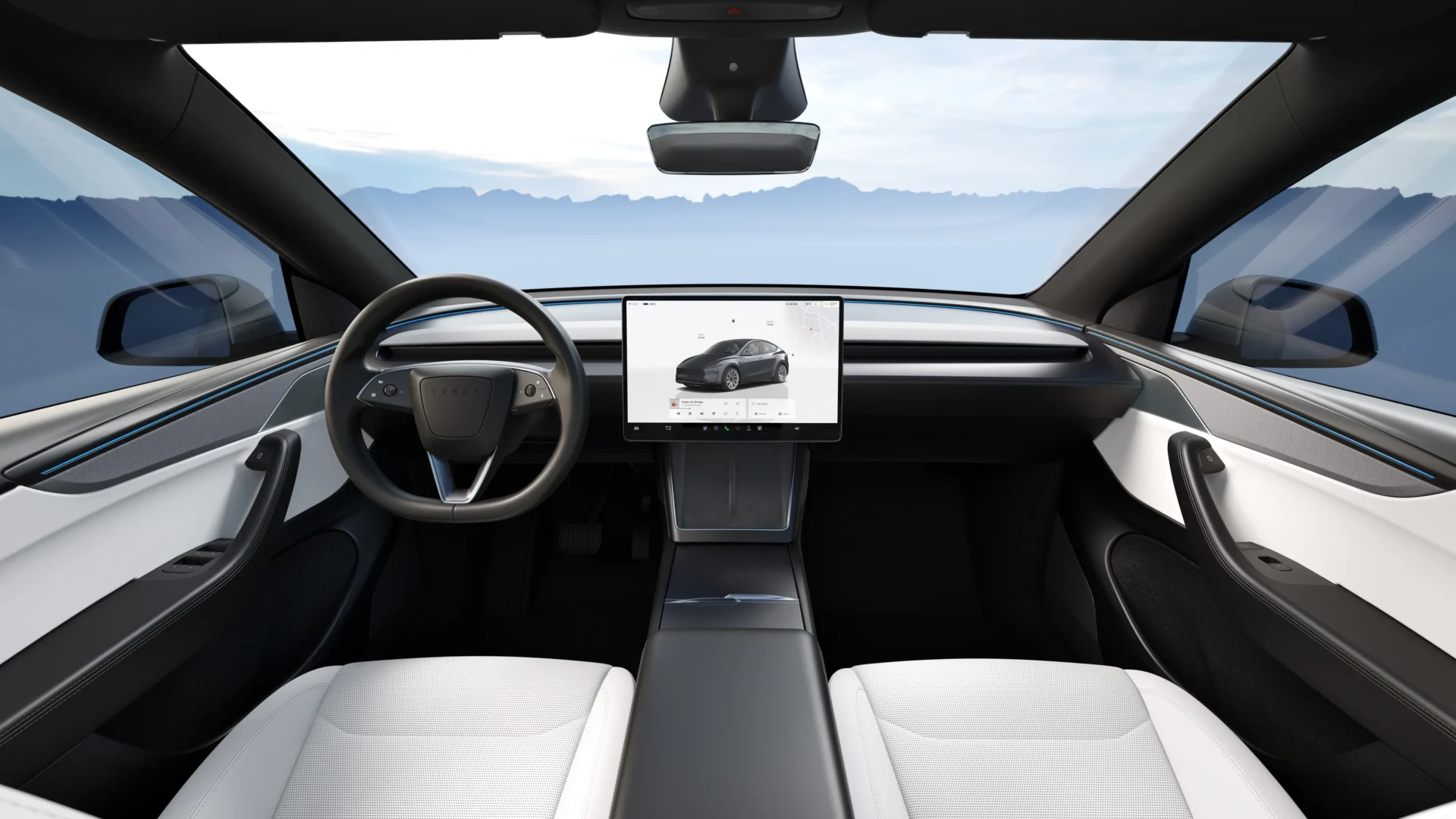
The testing process happens as cars roll off the production line at Gigafactory Texas, where vehicles drive themselves through a course designed to create bumps, squeaks, and rattles. And the internal microphones record the cabin noise during this autonomous drive to spot any loose parts.
Building full self-hearing technology
How does the automaker process all this sound data? Moravy explained that the engineering team is developing an AI system called “Full Self-Hearing” to evaluate these audio feeds. The software analyzes the sound to catch minor imperfections, and technicians can then correct the fault before the company delivers the car.
Tesla spent years dealing with public complaints about panel gaps and interior noises during its early expansion. But recent production metrics indicate the automaker has reduced these manufacturing defects significantly. So this new audio inspection step adds another layer of validation at the Texas plant.
Industry standard acoustic testing
Meanwhile other automotive companies use similar sound-based testing methods on their assembly lines. Ford deploys acoustic analysis artificial intelligence to check seat motors and climate control units for abnormal noises. Parts suppliers often rely on microphone arrays and particle velocity sensors at the end of their manufacturing lines. Yet Tesla integrates this concept directly with its autonomous driving software to move the cars through the validation track without a human driver. The microphones serve a dual purpose, acting as voice command receivers for owners later and working as quality control tools right now.
Executives plan to share more details about scaling factory production at the Texas facility on July 7. The engineering team continues to automate operations across multiple vehicle lines, and the upcoming robotaxi assembly system will run with almost zero human intervention.
The complete conversation between Herbert Ong and the engineering vice president covers these manufacturing updates in detail. You can watch the full broadcast below:
If you’re a Tesla investor, this is one interview you don’t want to skip. The full video posted below.
— Herbert Ong (@herbertong) July 1, 2026
Jeff Lutz @thejefflutz and I sat down with Tesla VP of Engineering Lars Moravy, and it was packed with insights!
A few of the biggest takeaways:
• Cybercab is expected to… pic.twitter.com/fhYSr2dCqP
We’ve launched an official Tesla Owners Online Forum. Join early and claim your "Founding Fuel" badge.