
Tencent Cloud and Tesla are deepening their ties in China with a new deal that brings WeChat-based services into Tesla cabins for local drivers. The move fits Tesla’s push to adapt its software to Chinese rules and consumer habits as competition in the electric vehicle market intensifies.
Under the new partnership, Tencent Cloud will connect WeChat features to Tesla’s in-car system for Model 3 and Model Y vehicles sold in China. The upgrade will arrive through an over‑the‑air software update for existing cars and will be standard on future models, according to statements from the companies.
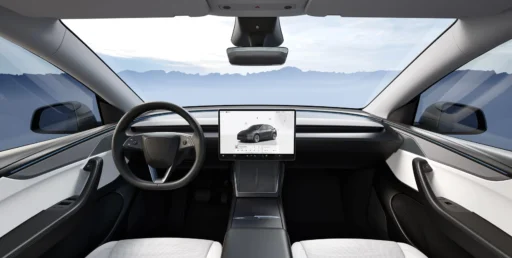
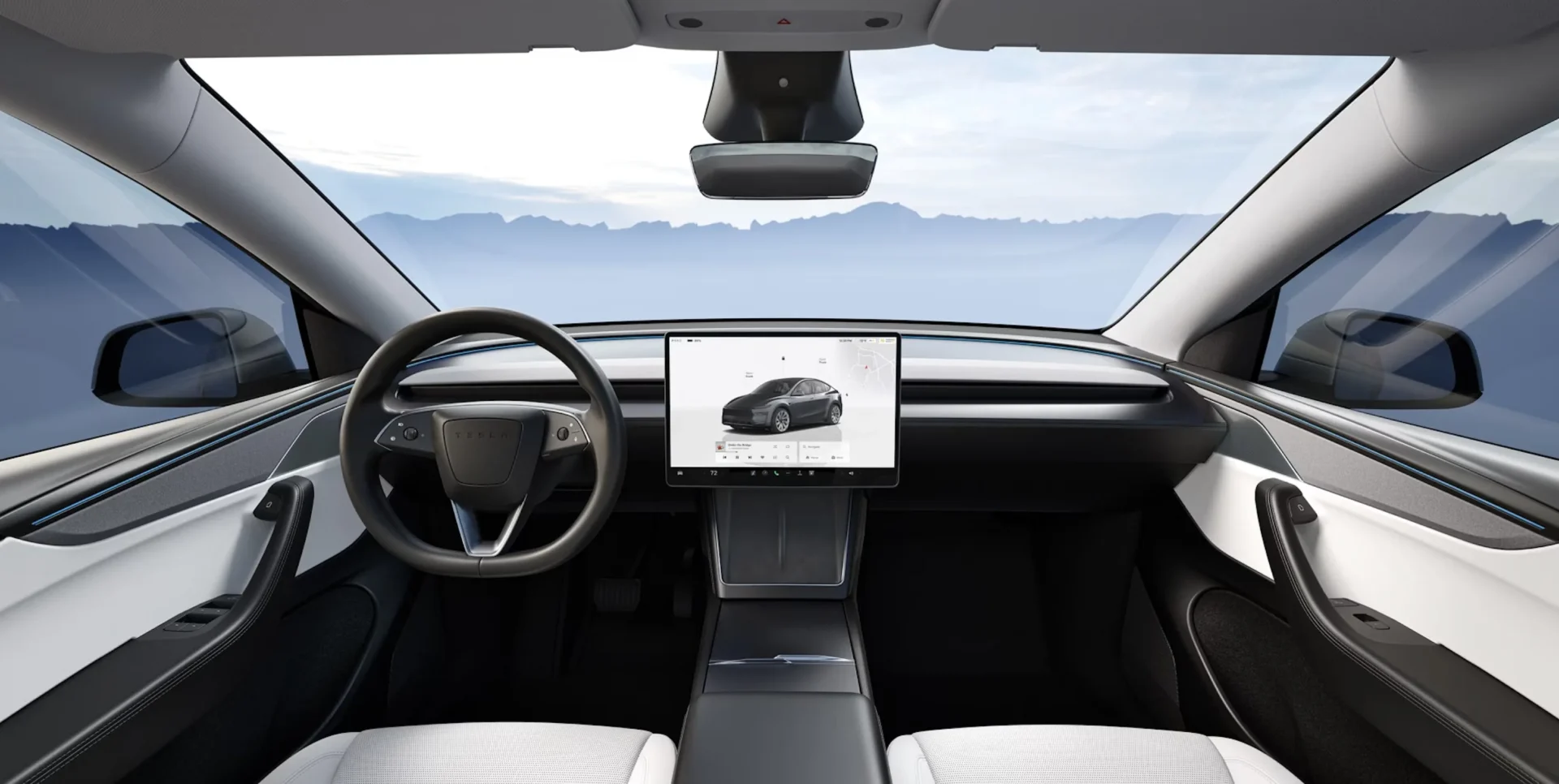
Drivers will be able to send WeChat location data straight to the car’s navigation screen, so addresses saved or shared in the app can feed into Tesla’s route planning with a few taps. In addition, the system will use Tencent’s tools to recommend services tied to the driver’s current position or destination, like charging, parking or food, and it will support payments through WeChat Pay from the central display.
WeScenario and Mini Programs sit behind the wheel
Tencent is building these features on top of “Intelligent Automobile Cloud,” its broader vehicle software and cloud platform, which the company first set out in 2022. That strategy focuses on giving automakers a full stack of cloud, data and in‑car application services, and Tencent says nearly 40 brands in China now use parts of it, including BMW and other foreign marques.
One key piece is WeScenario, a framework that runs WeChat Mini Programs inside the car without separate downloads from an app store. Through WeScenario, Tencent can offer small apps for charging station search, parking information, or local services that sit inside WeChat’s ecosystem yet appear on the vehicle’s screen in a lighter form than traditional apps.
WeChat already acts as an entry point for ride‑hailing and robotaxi services such as Pony.ai and WeRide, so this car integration gives Tencent another way to keep drivers within its platform as they move around cities. Tencent Cloud has also teamed up with partners like Singapore‑based Ryde to extend booking and mobility tools linked to WeChat beyond mainland China.
Tesla’s work with Tencent adds to a growing list of Chinese partners that feed into its vehicles as it shifts from a closed system in other markets to a more open approach in China. The company has adopted what analysts describe as a “best of breed” model, plugging in domestic providers for navigation, entertainment and AI rather than relying only on its own stack.
Baidu supplies high‑definition, lane‑level maps to Tesla in China, with upgraded Baidu Maps V20 giving more precise guidance on complex roads and junctions. For media, Tesla works with NetEase Cloud Music and Tencent’s QQ Music to offer local catalogues and karaoke features that match services from Chinese rivals.
On the AI side, Tesla tapped ByteDance and domestic model developer DeepSeek in 2025 to build the “Hey Tesla” voice assistant for the China market, integrating conversational large language models tuned for local users into the car’s interface. That assistant sits alongside regional content such as ByteDance’s Doubao and short‑form video, which are familiar to many Chinese drivers and passengers.
Regulation pushes AI and data onshore
Chinese rules on data security and generative AI have shaped Tesla’s strategy in the country. Strict limits on exporting car sensor and mapping data make it hard for foreign firms to train AI systems outside China, so companies have had to shift more work into local facilities and clouds.
Earlier this month, Tesla executives said a dedicated AI training center in China has gone live, giving the company the ability to train neural networks on domestic driving data for its driver‑assist and autonomous features inside the country. This setup removes the need to transfer large volumes of road and user information overseas, a process that Elon Musk has previously described as slow or blocked by regulatory hurdles.
Tesla uses Tencent’s cloud infrastructure to store and process vehicle data inside Chinese borders, which supports compliance with data localization requirements and keeps sensitive driving information onshore. In other regions, Tesla leans on a different mix of cloud and AI providers, including xAI’s Grok model in the United States.
We’ve launched an official Tesla Owners Online Forum. Join early and claim your "Founding Fuel" badge.