
The Self-Drive Act moved ahead in the U.S. House on Tuesday after a 12-11 vote in the Energy and Commerce Committee. The bill advanced by a single vote, and that pushed it one step closer to a full House vote. The proposal would set federal rules for autonomous vehicles, limit state authority over key technical issues, and let carmakers build vehicles without steering wheels or pedals.
The measure is H.R. 7390, known as the SELF DRIVE Act of 2026. It is led by Rep. Bob Latta, a Republican from Ohio, with major input from Rep. Debbie Dingell, a Democrat from Michigan. They present it as a national framework for how vehicles with automated driving systems should be built, tested, and put into service.
Right now, many states have their own systems for permits and operation. So companies face different legal rules when they cross state lines. The bill aims to shift core safety and performance decisions to the federal level, while states would still handle registration, general traffic rules, and local enforcement.
Safety standards and “safety case”
Under the proposal, the National Highway Traffic Safety Administration would write new federal motor vehicle safety standards for automated driving systems at SAE Levels 3 through 5. Those levels range from conditional automation to full automation without a human driver.
The bill would also require each manufacturer to submit a “safety case” before deploying autonomous vehicles in interstate commerce. That document would describe how the system manages basic driving tasks, how it handles failures, and how it reacts when conditions fall outside its design limits.
Cybersecurity is a core part of the package. Companies would need cyber risk management plans that set out how they detect, prevent, and respond to hacking attempts or unauthorized access. Those plans would cover both on-board systems and external connections used for updates and remote support. And they are meant to be updated as threats change over time.
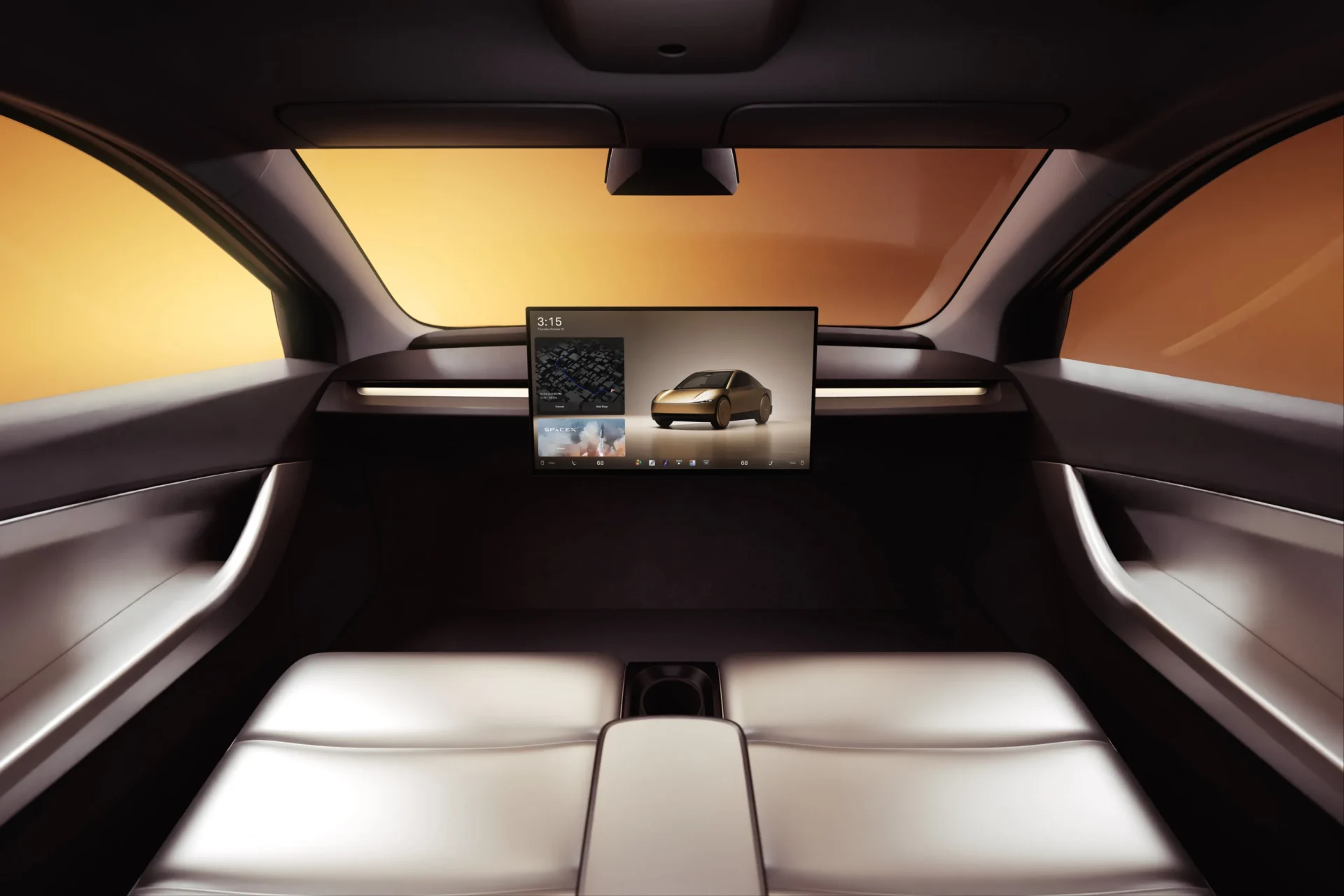
The text would also update rules so vehicles can be built with no manual controls. That would make it possible to put vehicles on U.S. roads that do not offer a steering wheel or pedals when they rely on an automated driving system. This could include robotaxis, shuttles, and heavy-duty trucks that run freight routes.
Federal preemption and state powers
Preemption language in the bill is one of the most disputed parts. The measure would give the federal government clear control over automated driving system design and performance. It would block states from setting separate technical rules in many of those areas, although states would keep their traditional roles over licensing, registration, and general traffic laws.
Supporters frame the bill largely around traffic safety and global competition. Rep. Gus Bilirakis of Florida has pointed to the tens of thousands of U.S. road deaths each year and to research that links most crashes to human error. He argues that, with clear rules, automated systems can help lower fatalities and injuries over time.
Industry letters to Congress cite estimates that large-scale AV deployment could prevent thousands of deaths annually and save tens of billions of dollars in crash-related costs. Some business groups also link the bill to international competition, saying the United States needs clear rules if it wants to keep pace with China and others on autonomous vehicle technology.
Opposition on safety and labor
Consumer Reports and highway safety groups are pressing for stronger safeguards. They argue that the current draft leans too much on manufacturer self-certification and does not require enough independent testing. They also raise concerns about limited public access to performance and crash data, and they say this could make it harder for drivers, researchers, and regulators to judge real-world safety.
Labor unions focus on the impact on trucking and related jobs. The Transportation Trades Department of the AFL-CIO has called for a “worker-centered regulatory framework” and has warned that autonomous trucks could hurt wages and job security if Congress does not pair deployment with worker protections and retraining programs. Union leaders say heavy trucks using automated systems need tight safety oversight before they run widely for pay.
The Self-Drive Act now moves to the full House Energy and Commerce Committee, which can amend the bill before voting on it. The Senate Commerce, Science, and Transportation Committee is holding its own hearings on autonomous vehicles, so any final law would likely come from negotiations between the two chambers.
A previous Self-Drive bill cleared the House in 2017 but later stalled in the Senate. This time, the narrow 12-11 vote signals that passage is possible, but it will require lawmakers to address concerns over safety, transparency, state authority, and jobs before the measure can reach the president’s desk.
We’ve launched an official Tesla Owners Online Forum. Join early and claim your "Founding Fuel" badge.