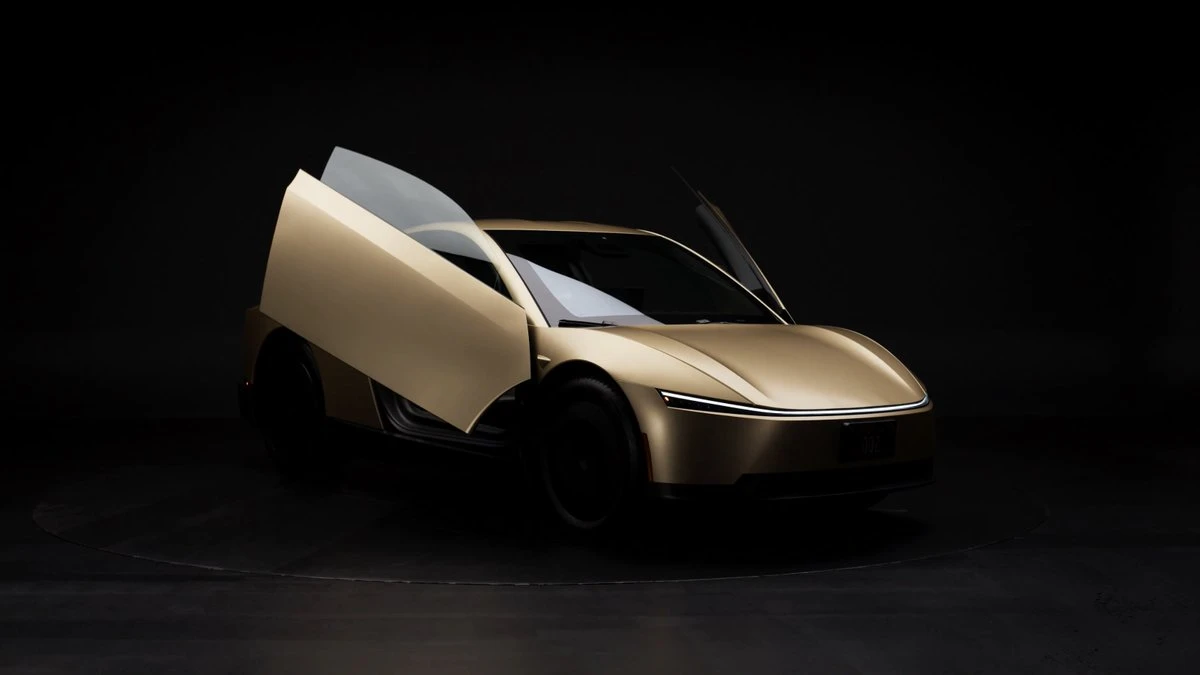

Public environmental protection agency filings confirm the technical details of Tesla’s upcoming Cybercab. Company filings indicate the vehicle relies on a front-wheel-drive layout and a small battery pack. The robotaxi completed testing with high lab range numbers, but real-world expectations remain lower.
The newly published certification summary report lists the 2026 model year Cybercab as a two-seat passenger car, and it uses a single front-mounted electric motor rated at 163 kilowatts. This output equals about 219 horsepower. The car operates on a 326-volt lithium-ion battery pack with a 146 amp-hour rating. And this translates to roughly 48 kilowatt-hours of total capacity. When Tesla tested the car at its Kato Road facility in April 2026, the process consumed 53.365 kilowatt-hours of grid energy to recharge the pack.
Range and efficiency expectations
The environmental protection agency paperwork records an equivalent all-electric range of 418.226 miles on the multi-cycle lab test, but the highway test recorded 375.369 miles. Still, final sticker range estimates run much lower than these raw lab numbers. Regulators apply a correction factor to raw results to estimate real-world driving, so this adjustment brings the expected range closer to 290 or 300 miles. CEO Elon Musk previously stated the car would offer about 300 miles per charge, and analysts say this aligns perfectly with the new test data. The low energy use makes it one of the most efficient electric cars ever built.
Weight and platform design
The Cybercab weighs 3,113 pounds empty, and the gross vehicle weight rating sits at 3,730 pounds. This leaves just over 600 pounds for passengers and cargo. The car drops hundreds of pounds compared to the standard Model 3. Tesla achieved this by removing the steering wheel and pedals, so the design features a purpose-built platform for autonomous ride-hailing. The vehicle supports inductive charging without traditional plug ports.
Front-wheel drive layout
The certificate lists the drive system as two-wheel drive for the front axle. This marks the first time Tesla has built a front-wheel-drive car. The front wheels handle all regenerative braking energy capture. A minor paperwork error listed all-wheel drive under the testing mode section, but no rear motor appears anywhere else in the detailed specifications. The front-drive setup prioritizes interior space and low manufacturing costs over rapid acceleration.
Tesla plans to price the autonomous car under $30,000, and Musk mentioned a production start date before 2027. The company continues to prepare for volume manufacturing as regulatory approvals move forward. The small battery and low vehicle weight help keep material costs down. Fleet operators can deploy these vehicles in cities to offer cheap rides. But the lack of standard driving controls requires special approval from transport authorities before mass deployment.
We’ve launched an official Tesla Owners Online Forum. Join early and claim your "Founding Fuel" badge.