
Tesla is taking another step to build its driverless ride service by filing for an autonomous network permit in Nevada. Company filings indicate the automaker wants to operate up to 5,000 robotaxis in Clark County over the next year, and this includes major transit hubs like Harry Reid International Airport and Henderson Executive Airport.
The application comes from Tesla Robotaxi, LLC and sits with the Nevada Transportation Authority under Docket 26-05015. The paperwork asks for permission to run the fleet across the Las Vegas area for the first 12 months after the state grants the permit. A public notice set a July 5 deadline for anyone who wants to submit protests or comments about the plan. The city gets a lot of tourist traffic, so analysts say it makes sense as a target for a company trying to scale a new transportation service.

This move builds on earlier steps the company took with local regulators. Nevada’s Department of Motor Vehicles approved Tesla to test autonomous vehicles on public roads back in September 2025. The automaker completed a self-certification process shortly after that, but they still need this new network permit before they can start charging passengers for rides.
Fleet expansion roadmap
Executives outlined this expansion strategy earlier this year. For example, the Q4 2025 shareholder deck named Las Vegas as a target market alongside Phoenix, Miami, Orlando, and Tampa for the first half of 2026. That same report listed Austin as “ramping unsupervised” and kept the San Francisco Bay Area in safety-driver mode. By the time the Q1 2026 update came out, Tesla had already launched driverless operations in Dallas and Houston. Then company numbers indicated paid robotaxi miles nearly doubled during that first quarter.
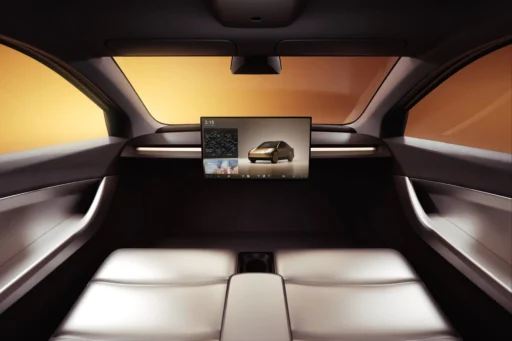
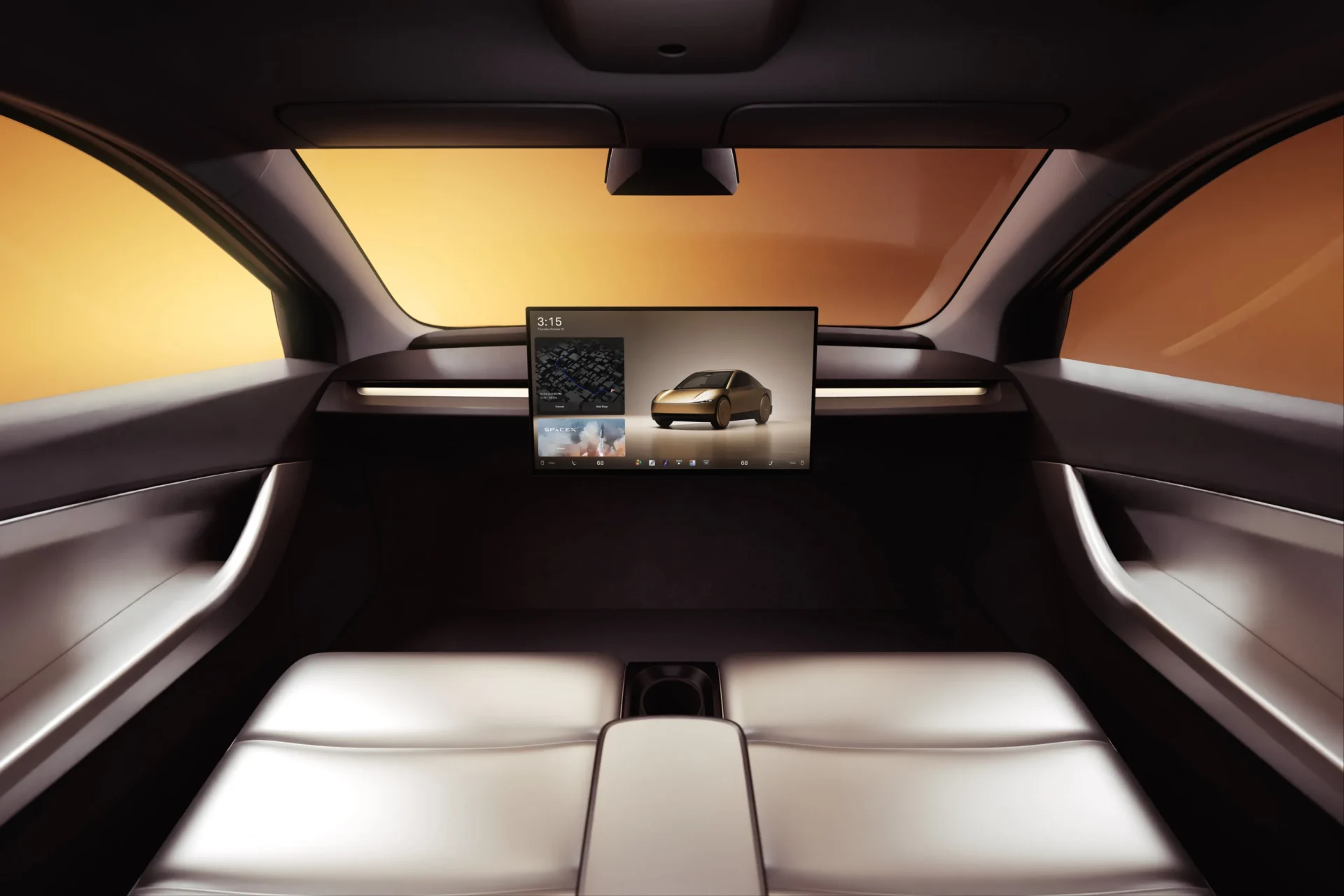
The network will eventually run on a new vehicle design. Tesla started volume production of the Cybercab at Gigafactory Texas in April 2026, and the first unit rolled off the line earlier in February. The car has no steering wheel or pedals, relying completely on the company’s vision-based Full Self-Driving technology. CEO Elon Musk expects the Cybercab to take over the fleet over time and replace many of the Model Y vehicles currently doing the work.
Safety remains a big part of the conversation as the program grows. Tesla says the unsupervised program in Texas has run with no reported accidents or injuries so far. But federal records list at least 17 crashes involving the company’s robotaxis since 2025. Two of those happened at low speeds in Austin when remote teleoperators were engaged, and no passengers were hurt. Industry data indicates the supervised fleet averages about one incident every 57,000 miles. Now the Nevada Transportation Authority will review the new application and decide if the company is ready to bring its driverless service to the Las Vegas strip.
We’ve launched an official Tesla Owners Online Forum. Join early and claim your "Founding Fuel" badge.