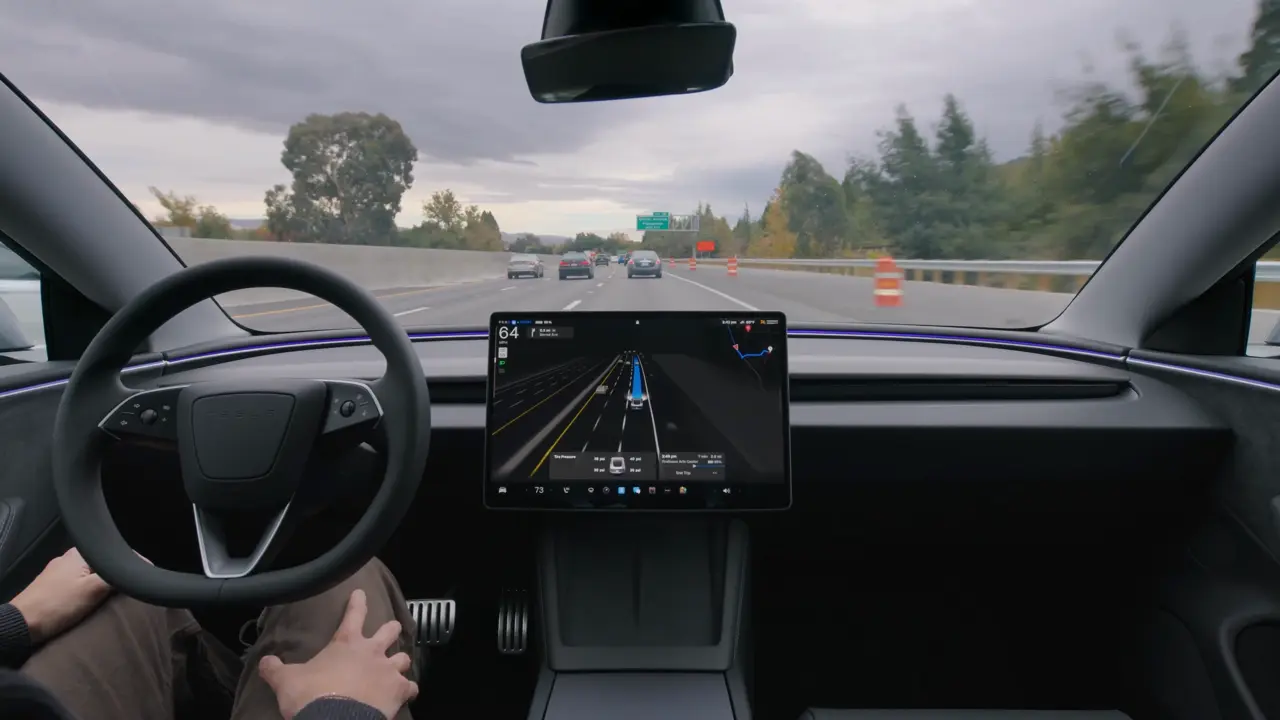

Tesla owners have now driven 10 billion miles using the company’s supervised Full Self-Driving software. This milestone arrived just five and a half years after the automaker first launched the system to early testers. Now the global fleet is gathering real-world driving data faster than ever before. In fact, drivers are adding about 28.8 million FSD miles every single day. And that comes out to roughly 1,000 miles every three seconds.
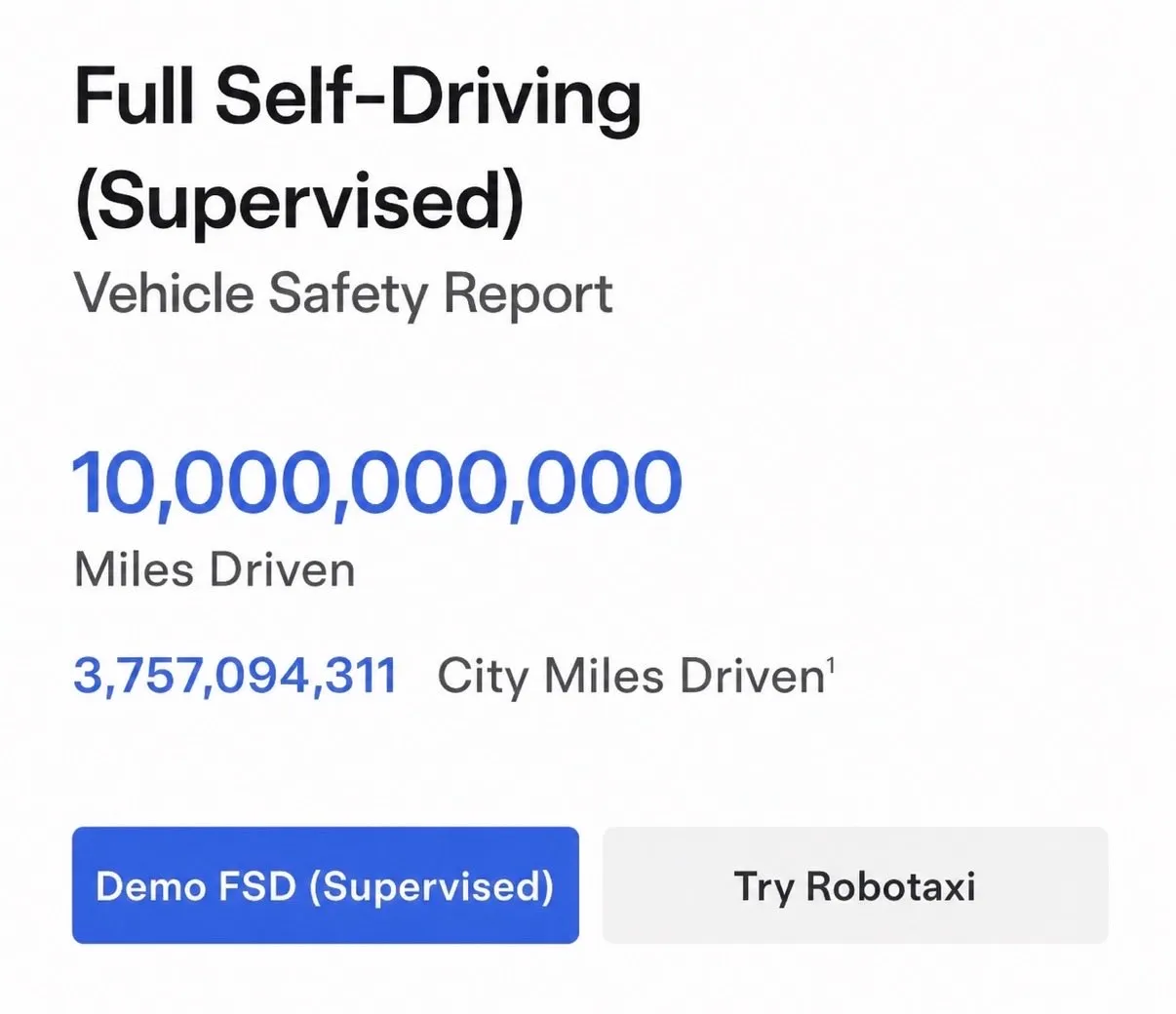
At this current pace, the fleet will log its next 10 billion miles in just 11.5 months. The acceleration is massive when you compare it to the early days of the program. Tesla took years to gather its first billion miles, but now the company adds that same amount of data in about a month. So this rapid data collection fuels the neural networks that control the cars.
Musk’s target for unsupervised driving
This 10 billion mark carries specific weight for the automaker. Tesla CEO Elon Musk previously stated that the company needs about 10 billion miles of data to build safe unsupervised self-driving technology. He brought up this number earlier this year. And the CEO explained that immense amounts of real-world video are necessary to train the AI for rare driving scenarios.
The system currently requires a human driver to pay attention at all times, so the driver must keep their hands on the wheel and be ready to take over. Yet the data from these supervised miles directly feeds into the development of a fully autonomous system. Eventually, Tesla plans to launch a Robotaxi network using this exact technology.
City streets and highway data
Not all miles provide the same value for artificial intelligence training. For example, a large chunk of these 10 billion miles happened on city streets rather than open highways. City driving includes pedestrians, complex intersections, and unpredictable obstacles. And these chaotic environments give the software the hardest tests and the most useful training examples.
The company will keep using this massive flow of video to update its software versions. Every time a driver takes over from the computer, the car sends that moment back to headquarters. Then the computers analyze the mistake to train the next update.
Tesla holds a massive data advantage over competitors who rely on small fleets of test vehicles. Those other companies operate in mapped areas, but Tesla gathers information from all over the world in every type of weather. Soon we will see if this mountain of data finally lets the company remove the human supervisor entirely.
You may also like to read:
- Tesla links FSD v15 on AI4 to push for unsupervised driving where legal »
- Tesla teases V15 update with 10x larger unsupervised AI system »
- Musk says Tesla’s HW4 cars are ready for unsupervised FSD »
- Elon Musk sets new data target for Tesla unsupervised self‑driving »
- Musk says unsupervised FSD is “pretty much solved” »
We’ve launched an official Tesla Owners Online Forum. Join early and claim your "Founding Fuel" badge.