
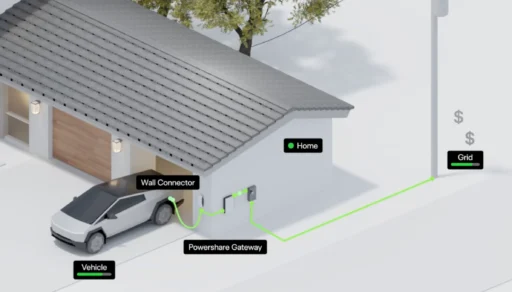
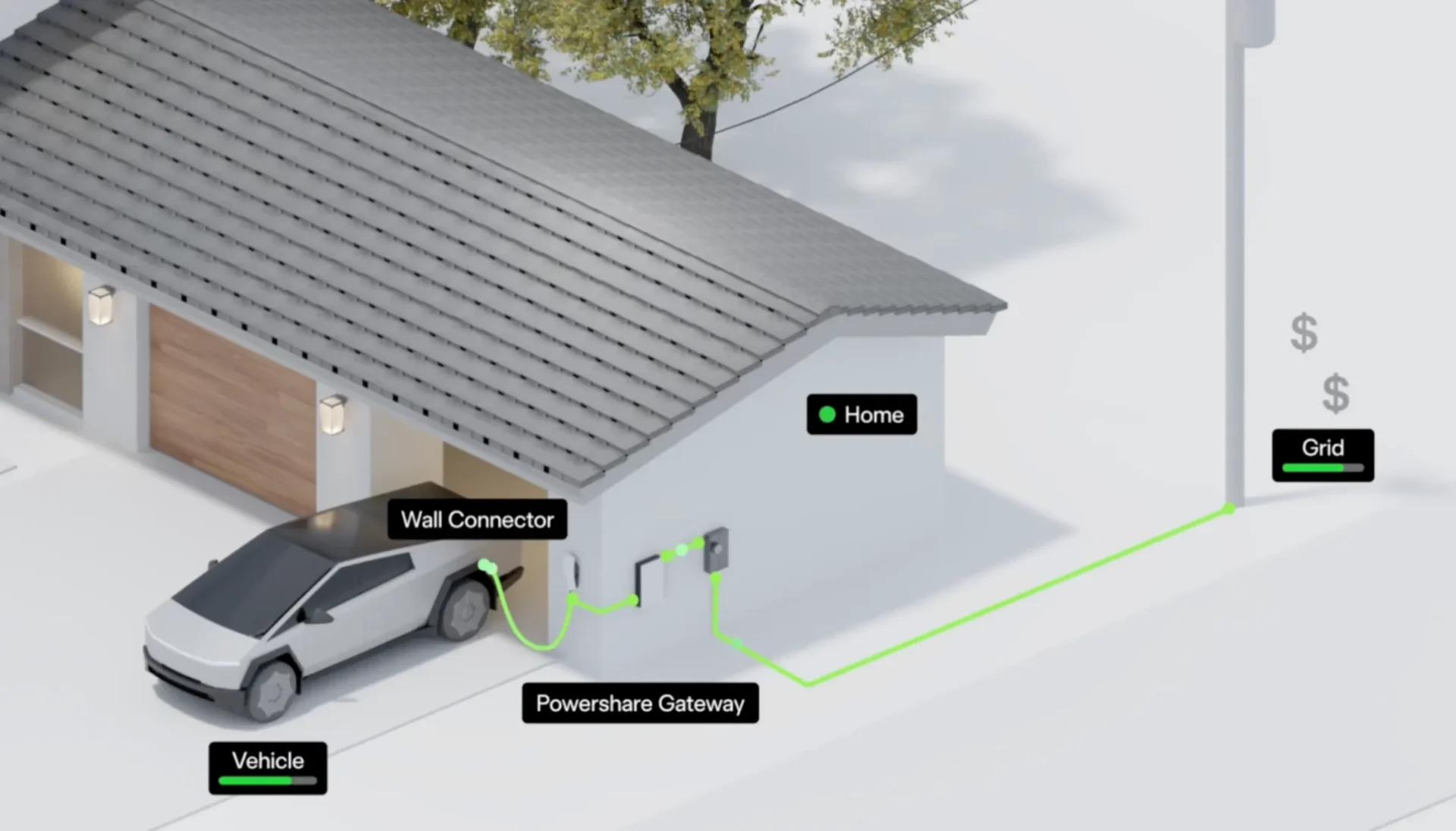

Pacific Gas and Electric Company and Tesla have cleared the Cybertruck for a residential energy pilot in California. The utility provider officially accepted the electric pickup into its Vehicle-to-Everything pilot on April 20. Now, owners can pair the truck with a Tesla Powershare Gateway and a Universal Wall Connector to feed electricity back into the local grid . Indeed, this marks the first time an alternating current vehicle-to-grid application has won approval for residential utility customers in the state. The setup relies on basic electrical equipment instead of expensive direct current chargers.
PG&E and @Tesla have just announced that the Cybertruck, Tesla Powershare Gateway and Tesla Universal Wall Connector have all been approved for participation in PG&E's residential Vehicle‑to‑Everything (V2X) program, marking a major milestone for bidirectional EV integration in… pic.twitter.com/kjrF7kyLKO
— Sawyer Merritt (@SawyerMerritt) April 20, 2026
Other automakers tried this concept before. PG&E previously cleared the Ford F-150 Lightning and several General Motors electric vehicles. The GM list includes the Chevrolet Silverado EV, Equinox EV, Blazer EV, Cadillac Lyriq, and the GMC Sierra EV. But those trucks and SUVs rely on specialized direct current bidirectional chargers.
DC hardware often costs between $6,000 and $10,000 before you even pay an electrician to install it . In fact, homeowners often need to upgrade their main electrical panels to handle the heavy direct current loads. And the extra labor pushes total installation costs even higher. Tesla bypassed that entire problem. The company built its system to run natively on alternating current electricity. Instead, energy routes directly through standard home hardware like the Universal Wall Connector and the Powershare Gateway. The design drastically cuts installation costs. It fits much easier alongside existing home electrical panels. Naturally, you simply hook up the truck exactly like a normal home charger.
Earning money during outages
Customers living across Northern and Central California can sign up for the pilot right now. The utility serves more than 16 million people in that region. Once enrolled, owners tap into two main features. The Powershare Home Backup feature kicks in to keep the lights on during severe weather or unexpected blackouts. Then there is Powershare Grid Support. This feature allows the Cybertruck to sell excess battery energy back to the community when electricity demand spikes.
The Emergency Load Reduction Program coordinates all these events . PG&E uses this system to prevent rolling blackouts during extreme heat waves. The utility calls an event, and the connected trucks then automatically discharge electricity to the house or the grid. Still, drivers always keep control over their vehicles. They set limits on how much electricity they want to sell through the smartphone app. So they can easily protect their driving range for a morning commute. If a driver needs a full battery for a road trip, they simply tap a button to opt out of that specific event.
“Electric vehicles can do more than move people—they can help power homes and support the grid,” said Jason Glickman, Executive VP of Strategy and Growth, PG&E. “By welcoming Tesla into our residential V2X program, we’re expanding customer choice while making California’s grid more flexible, resilient, and affordable. Powershare Grid Support enables Tesla vehicles to strengthen our electricity system, while earning money for EV owners.”
The financial perks provide a strong reason to join. Sure, approved Cybertruck owners qualify for up to $4,500 in utility incentives. That money covers bidirectional equipment and interconnection fees. Participants earn extra cash for every grid event they join. Later, they receive completion bonuses for staying in the program until it ends. Right now, PG&E caps the pilot at 1,000 residential customers. Colby Hastings, Senior Director of Tesla’s Residential Energy business, commented on the rollout. “Our unique integrated architecture makes vehicle-to-grid dramatically cheaper than alternatives, and PG&E’s V2X program will accelerate customer adoption,” he said.
A massive mobile battery pack
The Cybertruck packs a massive 123 kilowatt-hour battery inside its stainless steel frame. That amount of energy equals about nine Tesla Powerwall 2 units. Such a massive storage capacity acts as a vital resource during peak summer evenings. Solar production drops off right as millions of residents turn on their air conditioners.
Tesla already manages a large virtual energy network in California using its stationary Powerwall units. Company filings indicate that network paid participants nearly $10 million in 2024. The stationary batteries delivered over 100 megawatts to the grid during peak strain. Of course, adding Cybertrucks into that mix multiplies the available energy pool. Every parked truck brings nine times the storage of a single wall battery.
The current pilot only includes the Cybertruck. Yet Tesla might activate the feature on other models soon. The latest Model Y Performance left the factory with bidirectional charging hardware installed. The company has not activated the Powershare feature on those compact SUVs yet. If the automaker pushes a software update to enable the Model Y fleet, the available energy capacity would multiply instantly.
Tesla sells more Model Ys than any other vehicle in the world. Millions of them already drive on California roads. Bringing those smaller vehicles into the utility pilot would create massive reserves of backup energy. The setup skips expensive proprietary hardware. Instead, it relies on simple alternating current connections people already use in their garages. Homeowners avoid tearing up their walls to install massive DC inverters.
We’ve launched an official Tesla Owners Online Forum. Join early and claim your "Founding Fuel" badge.
I am working on a similar concept since months and I have created a pitch I can share.