
The U.S. government has confirmed a deal between Tesla and LG Energy Solution to build a $4.3 billion lithium iron phosphate battery cell factory in Lansing, Michigan. The site will produce prismatic LFP cells, and officials expect production to start in 2027.
The plant is the former Ultium Cells 3 facility that LG Energy Solution took over after ending its joint venture with General Motors. Now it will be retooled for LFP cells that are aimed at energy storage rather than passenger cars. Analysts say this gives LG Energy Solution a larger U.S. base for a chemistry long dominated by Chinese producers.
U.S. agencies say the new LFP cells are planned for use in Tesla’s Megapack 3 systems. And that links the Michigan project directly to Tesla’s next U.S. Megafactory near Houston. In a statement, the Department of the Interior said “American-made cells will power Tesla’s Megapack 3 energy storage systems produced in Houston, creating a robust domestic battery supply chain.”
How Megapack 3 is built
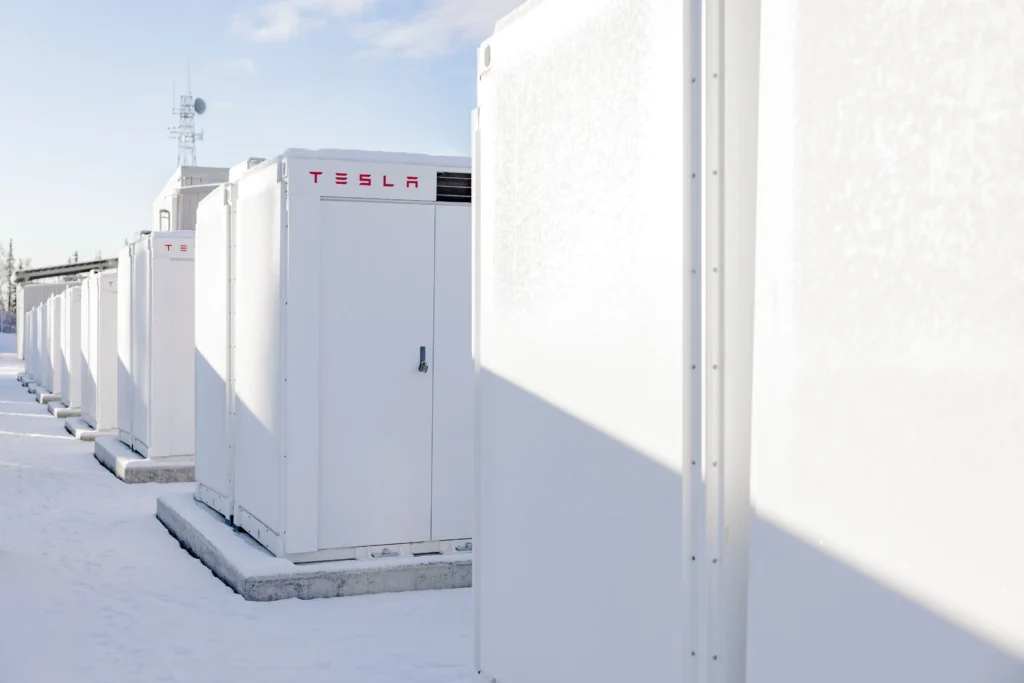
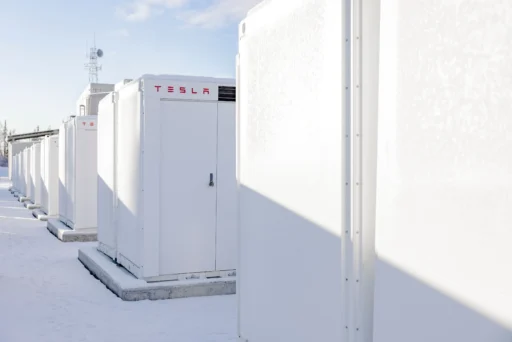
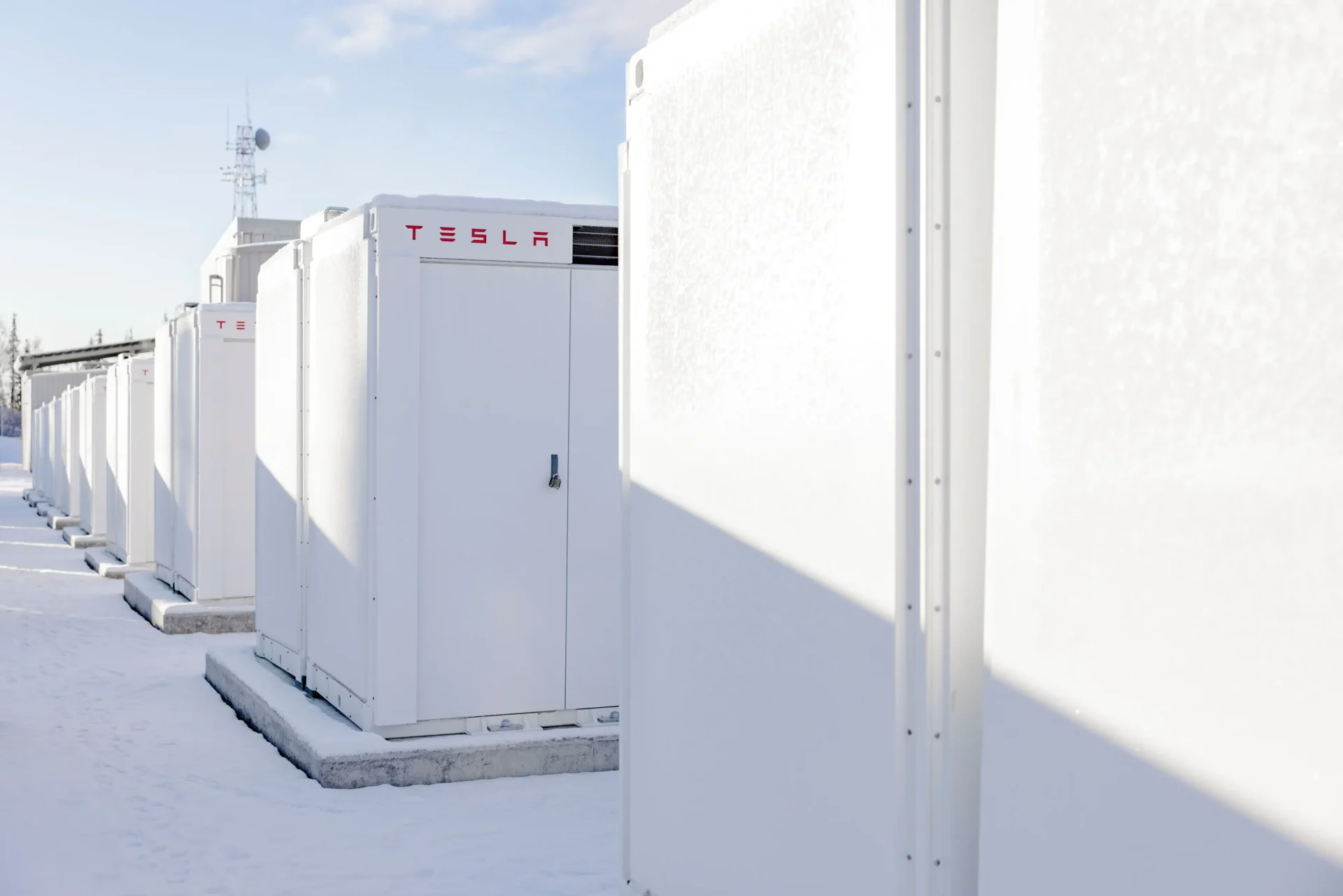
Megapack 3 is Tesla’s latest grid-scale storage unit built around LFP chemistry and larger cells. Each Megapack 3 delivers 5 MWh of usable AC energy and weighs about 86,000 pounds.
The system is designed for up to eight-hour applications, so it targets use cases like solar shifting, capacity support and peak shaving. Inside, Tesla uses a 2.8‑liter LFP cell co-developed with its internal cell engineering group. That larger format cell is paired with a new thermal bay.
Engineers have moved to a heat pump layout inspired by the Model Y but scaled for a stationary product. The new thermal system cuts connection points by about 78 percent, according to technical briefings. This change is meant to reduce failure points and service complexity over a 25‑year life.
The electrical interface is simpler as well. Megapack 3 shifts from 24 cable connections in the Megapack 2XL configuration to three busbar connections. That can shorten installation time and reduce wiring errors in the field. The Megapack 3 enclosure is about 28 feet long and ships as a complete unit on a standard heavy trailer, so crews do not have to assemble modules on site.
Megapack 3 operates from -40°C (-40°F) to 60°C (140°F). That temperature range allows use in cold northern climates and hot desert regions.
Houston Megafactory links to Lansing
Tesla plans to build Megapack 3 at a new Megafactory in Brookshire, west of Houston. The company targets a late 2026 start of production and a 50 GWh annual capacity when the site is fully ramped. That level would place it among the largest dedicated storage factories in the U.S., industry analysts say.
The Houston-area Megafactory will sit alongside Tesla’s existing energy sites in Lathrop, California, and Shanghai, China. As those plants scale, Tesla expects total storage capacity to rise well beyond current output.
Cells from Lansing are expected to feed the Brookshire plant once the Michigan facility comes online.
Megablock as an integrated platform
Along with Megapack 3, Tesla has introduced Megablock, a pre-engineered medium-voltage block that brings hardware, software and services into a single package. Megablock integrates next-generation Megapack 3 units with a transformer, switchgear and medium-voltage equipment.
Tesla Megablock: Video
Megablock pic.twitter.com/JqQEAv4grj
— Tesla (@Tesla) September 9, 2025
Each Megablock unit delivers 20 MWh of usable AC energy. The layout targets about 248 MWh per acre, which matters in locations where land is tight or costly. Megablock uses the same temperature range as Megapack 3, from -40°C (-40°F) to 60°C (140°F), so developers can standardize designs across regions.
Tesla states that Megablock can be installed about 23 percent faster than traditional site-built layouts and can cut construction costs by up to 40 percent.
The company rates Megablock at 91 percent medium-voltage round-trip efficiency, including auxiliary loads. The system is planned for a 25‑year life and more than 10,000 cycles, putting it in line with long-term utility planning horizons. Internally, Tesla is targeting the ability to commission 1 GWh of Megablock capacity in about 20 business days. The company equates that to bringing electricity to around 400,000 homes in less than a month.
U.S. officials, Tesla and LG Energy Solution are making a clear bet on long-duration storage demand. As more solar and wind projects connect, grids need multi-hour storage to manage supply swings and support reliability. For that reason, a domestic LFP supply chain linked from Lansing to Houston could become a key part of that buildout.
We’ve launched an official Tesla Owners Online Forum. Join early and claim your "Founding Fuel" badge.