Tesla officially opened its driverless ride network in Dallas and Houston today. The company moved past its supervised testing phase in Austin, and it now runs commercial operations in two major transit markets.
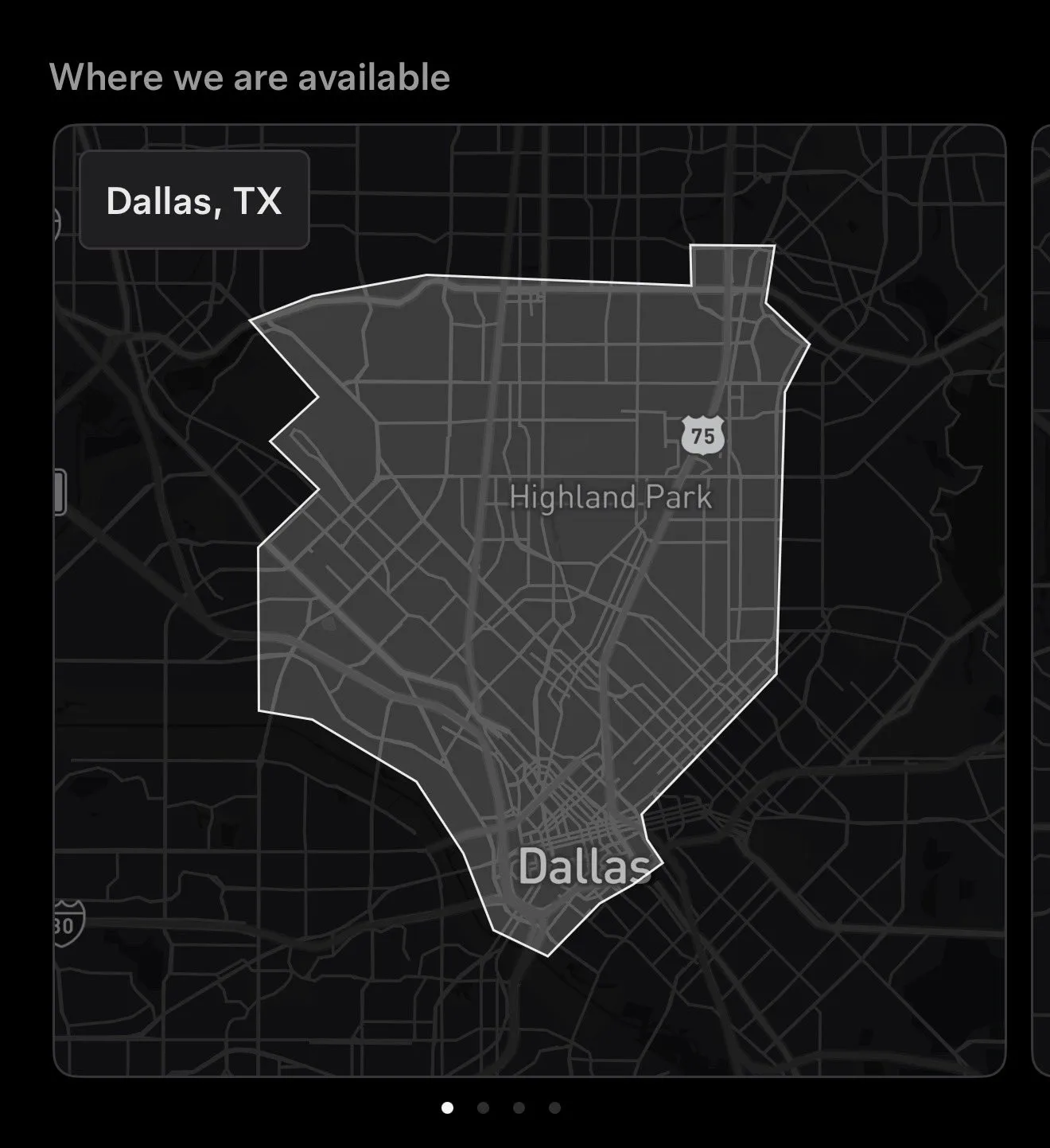
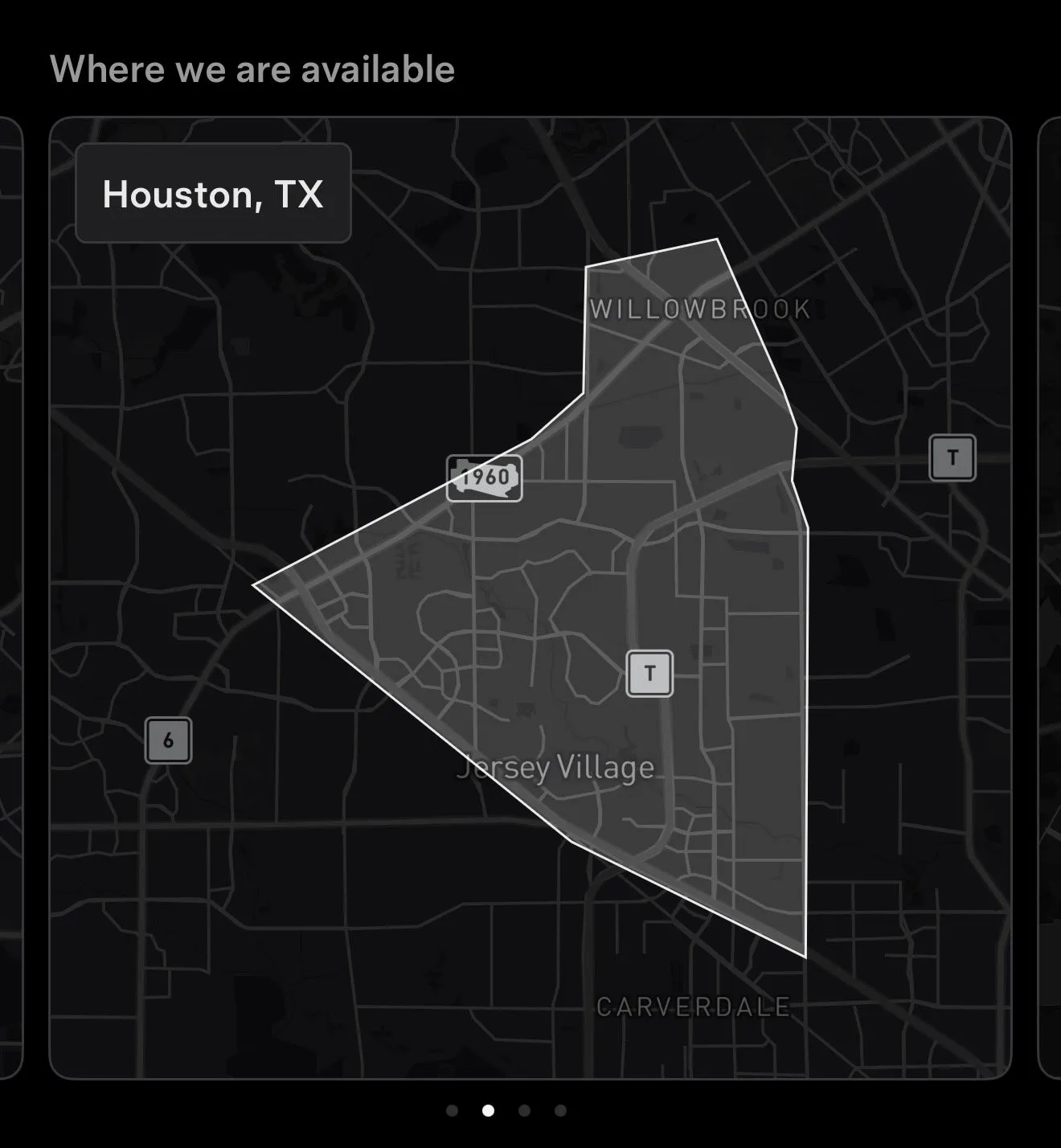
Geofenced service areas: Dallas and Houston
The rollout plan
Residents in both cities can now book a modified Model Y without a driver using the iOS app. This launch fits into a broader schedule targeting seven cities during the first half of 2026, and Phoenix, Miami, Las Vegas, Orlando, and Tampa are next on the list.
The Texas Department of Licensing and Regulation issued a statewide permit that remains valid until August 6, 2026. This paperwork grants Tesla Robotaxi LLC the exact same transportation network company status as Uber and Lyft. Soon, company filings indicate the geofenced service area will cover thousands of square miles.
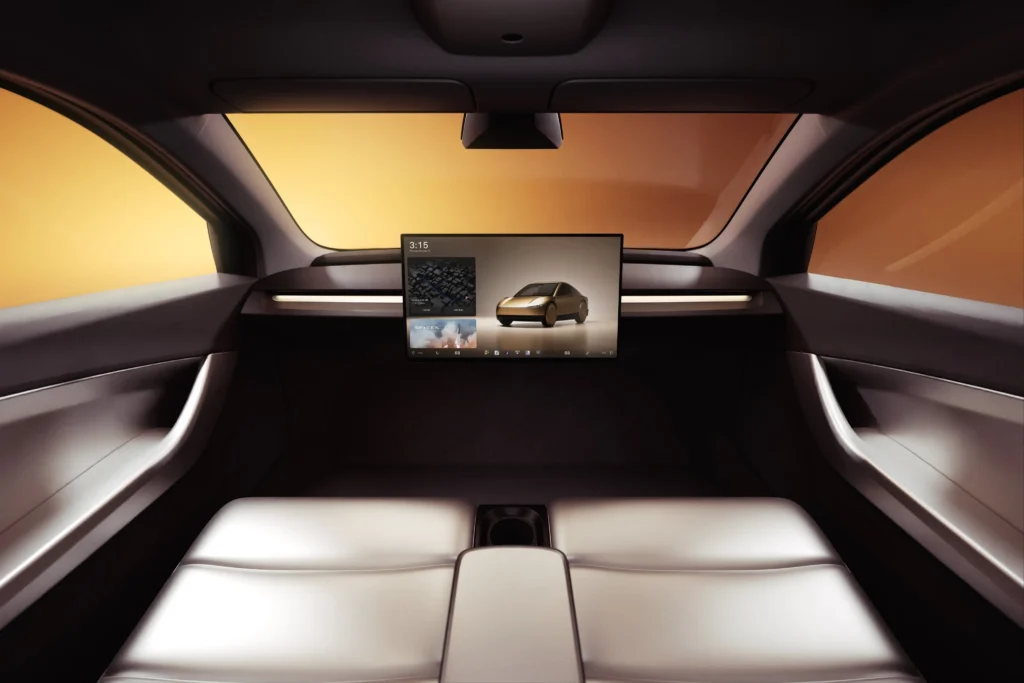
The current Texas fleet uses the Model Y right now, but new hardware is coming. Volume production for the two-seater “Cybercab” started this month at Gigafactory Texas, and this purpose-built car lacks both a steering wheel and pedals. Elon Musk noted the new model features wireless inductive charging and carries a target retail price under $30,000. Eventually, he expects this cheaper vehicle to replace standard cars to optimize the network’s unit economics.
Rider experience and costs
Passengers get several options to control their trip before the car arrives, and the app lets you set the cabin temperature, change seat positions, and sync music profiles. Each vehicle includes a “Pull Over” button on the main touchscreen for emergencies. Pressing this connects the rider directly to remote operators who monitor the cars in real time.
The company uses a “dynamic pricing” model to attract users and compete with existing services. Currently, fares start with a $3.25 base fee plus $1.40 for each mile traveled. This pricing structure undercuts Waymo significantly after that rival started its own driverless service in these same cities in February 2026.
Operations and oversight
These cars drive themselves, but human workers still watch from afar. Operations center staff act as a “remote supervisor” and intervene when a vehicle faces a complex “edge case”, like irregular road construction or police hand signals. However, the National Highway Traffic Safety Administration continues to scrutinize the program after some minor incidents happened during the Austin pilot.
Tesla defends its record and states its vision-only AI4 hardware suite is already twice as safe as a human driver. The automaker cites nearly 700,000 paid miles of data to back up these safety claims. Favorable regulations across the Sun Belt provide a clear path forward as production ramps up.
We’ve launched an official Tesla Owners Online Forum. Join early and claim your "Founding Fuel" badge.