Tesla has “solved the self-driving puzzle” and effectively reached Level 4 autonomy in most conditions, according to Piper Sandler analyst Alex Potter, even as regulators still classify the company’s passenger-car system as Level 2 driver assistance.
Potter’s latest note to clients, first highlighted by Investing.com, argues that Tesla’s Full Self-Driving (Supervised) now performs at a Level 4 standard in real-world use, citing company data and his own long-distance trips using the software. He reiterated an Overweight rating on Tesla (NASDAQ: TSLA) and has previously tied a large portion of his roughly 500‑dollar price target to the success of FSD and robotaxis rather than the core EV business.
Texas robotaxi certification
Tesla recently self-certified its robotaxi fleet in Texas as Level 4. A new state law lets companies run commercial driverless cars if they meet specific rules. Texas Department of Motor Vehicles records list 42 authorized Tesla robotaxis in the state. Waymo currently operates 577 of them in the same region. This Level 4 label covers only the robotaxi fleet, so mass-market Tesla cars keep their Level 2 driver-assist status for now. Drivers must stay alert and watch the road.
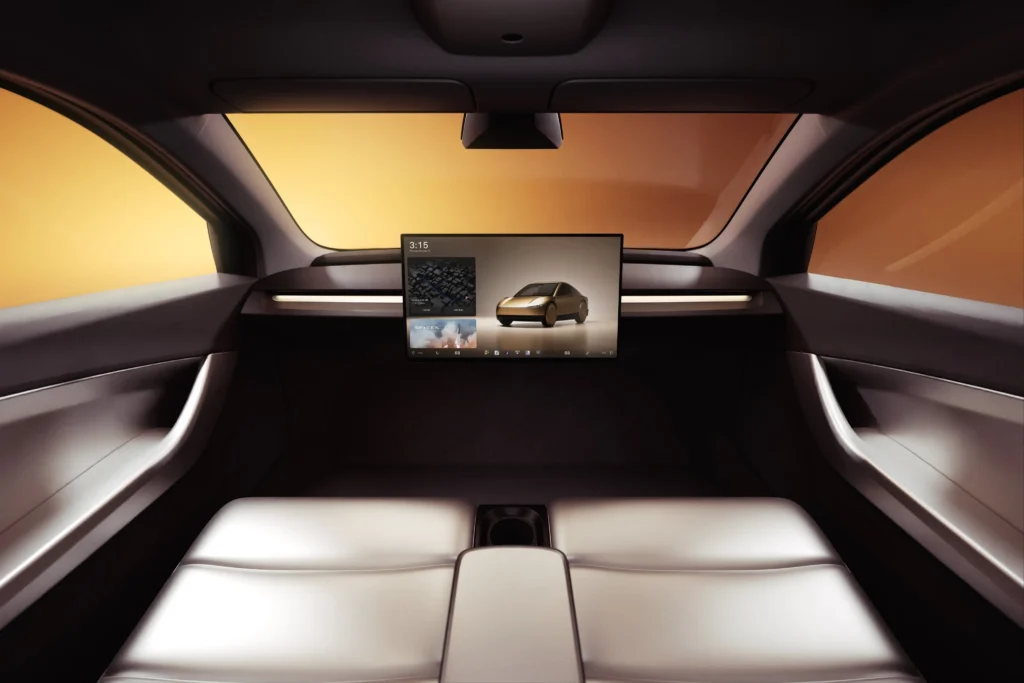
Potter used the new Cybercab to back up his claims. Tesla is building these cars at Giga Texas without any steering wheels or pedals. Factory footage reveals early production units built purely for ride-hailing. The company is spending hundreds of millions of dollars on this project. Potter thinks Tesla would not spend that much capital unless unsupervised driving was close. Volume production is expected to ramp up later this year.
Safety numbers offer another reason for optimism. Drivers have logged over 8.2 billion miles using the supervised FSD system across North America. Tesla reported 830 major collisions over 4.4 billion of those FSD miles. That breaks down to one accident every 5.3 million miles, and manual driving with active safety features averages one crash every 2.2 million miles. The national average sits around one crash every 660,000 miles. Tesla now offers insurance discounts for drivers using FSD. Potter sees this as a strong sign of internal confidence in the software.
Missing pieces for full autonomy
Is Tesla ready to remove human supervision completely? The company still needs to release a few final updates. A long-promised self-parking feature called Banish remains in development. The latest software update improved the Actually Smart Summon tool to run at 8 mph. Code trackers found hidden geofenced areas in recent updates. These zones might map out early testing grounds for fully unsupervised driving. Regulators still require human oversight for retail passenger cars.
Potter traveled from Missoula, Montana, to Minneapolis, Minnesota, using the system in April. The software handled almost the entire trip without issues. “There’s no substitute for personal experience,” he wrote. He kept an Overweight rating on Tesla stock. Much of his high price target relies on FSD and robotaxi success rather than standard car sales. Waymo remains the clear leader in paid driverless trips today, yet Tesla is racing to catch up and deploy its own autonomous network.
We’ve launched an official Tesla Owners Online Forum. Join early and claim your "Founding Fuel" badge.