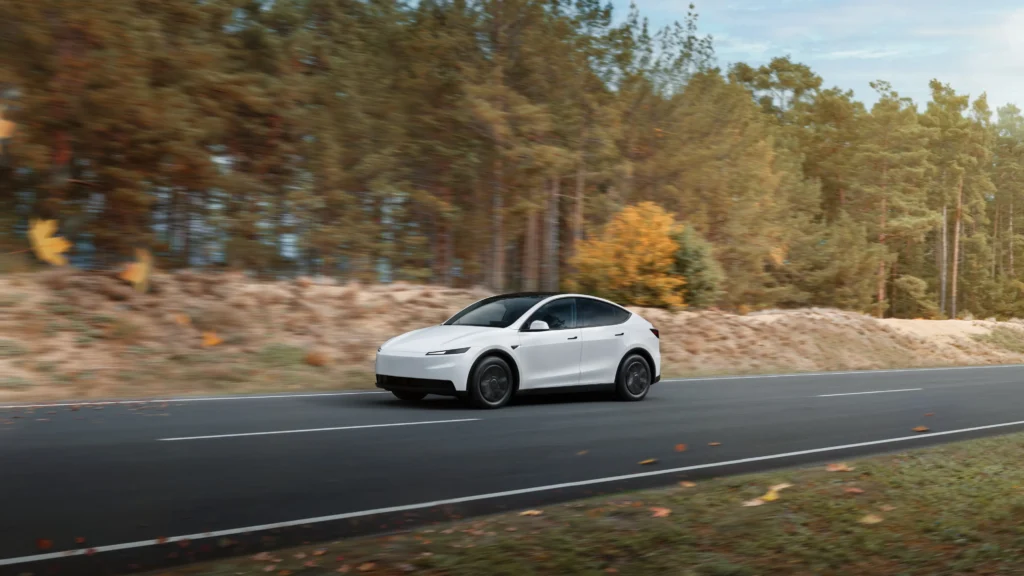
South Korea has long favored German luxury vehicles for imported car purchases, and buyers typically chose between BMW and Mercedes-Benz when looking outside domestic options. Now those buying habits are changing fast as Tesla took the top spot for imported cars in the first quarter of 2026. The electric car maker pushed the two German automakers into second and third place when buyers flocked to the Tesla Model Y.
Data from the Korea Automobile Importers and Distributors Association reported 20,964 Tesla deliveries in the first three months of the year. BMW followed closely behind with 19,368 units sold, but Mercedes-Benz dropped further back and recorded 15,862 sales during the same period. March brought the biggest surge when Tesla handed over 11,130 vehicles to new owners. Then local media coverage captured the sudden change with headlines like “Tesla Model Y, 17% monopolized” alongside phrases describing the German car’s downfall as “BMW, Mercedes sank”.
Price cuts drive new demand
The sudden jump in sales comes directly from a new pricing strategy when Tesla started importing the Model Y from its Shanghai factory and equipped these cars with lithium iron phosphate batteries. This manufacturing choice allowed the company to lower the retail price significantly. Buyers combined these lower prices with government electric vehicle subsidies to make the final cost very competitive against mid-tier German sedans.
Other factors pushed buyers away from traditional luxury brands at the same time, and Mercedes-Benz faced public relations trouble after a high-profile electric vehicle fire last year. The incident made some buyers hesitate, and it forced the company to offer large discounts on premium models to keep cars moving off dealer lots. The combined market grip of BMW and Mercedes-Benz fell to around 50 percent from a historical high near 70 percent as the market moved away from them.
Buyers ignore overseas reports
The Model Y faced criticism in Europe right around the same time it took over the Korean market, and a German reliability index ranked the vehicle poorly after finding mechanical defects during routine inspections. Still, Korean consumers looked past these overseas reports and bought the cars anyway when they focused on the software features and the Supercharger network instead of traditional mechanical benchmarks.
Electric vehicles accounted for 47.8 percent of all imported car sales in Korea this March, and they beat hybrid vehicles for the first time as hybrids took a 42.9 percent share.
Tesla clearly leads this new wave of electric adoption, and the German brands must figure out how to win back the buyers they just lost.
You may also like:
- Tesla brings Full Self-Driving Supervised to South Korea »
- Tesla opens orders for Model Y L across eight Asian markets »
- 93-year-old grandma’s Tesla Model Y with FSD is changing her life »
We’ve launched an official Tesla Owners Online Forum. Join early and claim your "Founding Fuel" badge.