U.S. auto safety regulators want to update a long‑standing rule so it fits cars that can operate with no driver at all. The National Highway Traffic Safety Administration (NHTSA) has proposed a change to Federal Motor Vehicle Safety Standard No. 102, which covers “transmission shift position sequence, starter interlock, and transmission braking effect.”
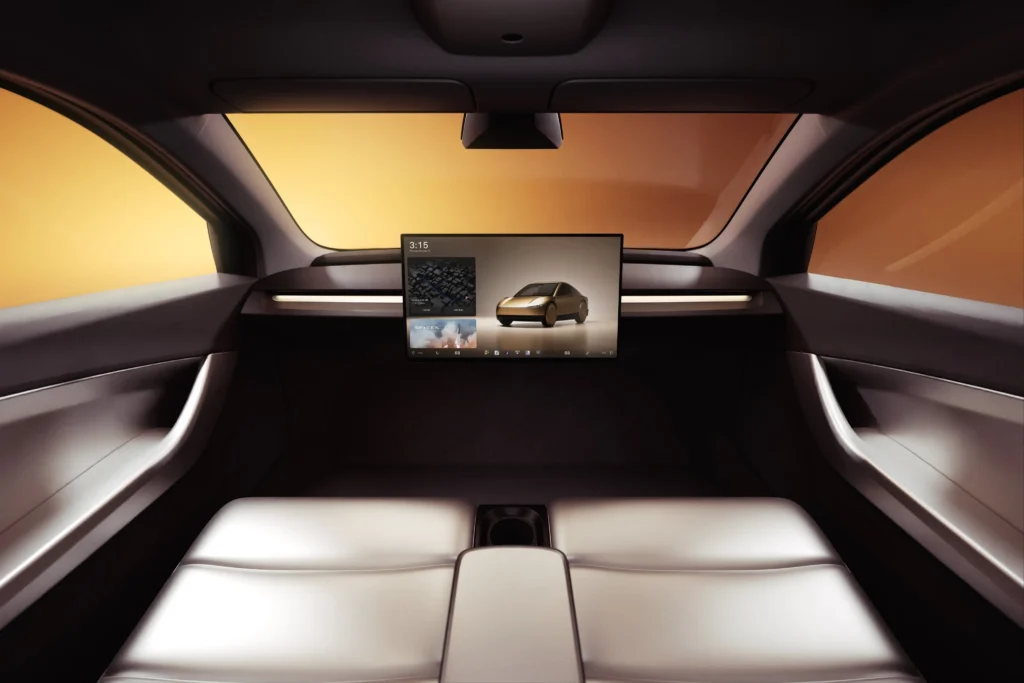
Under the draft rule, vehicles equipped with an Automated Driving System (ADS) and built without manually operated driving controls would be exempt from the requirement to display the transmission shift position. In simple terms, a fully driverless vehicle with no steering wheel, pedals or gear lever would no longer need to show Park, Reverse, Neutral or Drive on a display for occupants. Cars that still have conventional controls, including hybrids and driver‑assist vehicles, would continue to follow all current FMVSS No. 102 rules.
Why regulators say the display is outdated in robotaxis
FMVSS No. 102 was written for cars with a human behind the wheel. The current rule requires a clear gear display so a driver can confirm if the vehicle is in Park, Reverse, Neutral or Drive, and the aim is to cut errors that could lead to roll‑aways or sudden movement. In that setting, the indicator is a basic cue for safe operation.
For a vehicle that drives itself and has no manual controls, NHTSA argues that the display no longer serves that role. In such models, the ADS manages the transmission in software, tracks the current gear state and uses it as part of the automated driving logic. Since there is no one to read the indicator and no lever to move, the agency says the requirement adds cost without improving safety performance.
Even so, the proposal is narrow. It does not suspend FMVSS No. 102 for ordinary vehicles, and it does not clear any company to deploy an ADS‑only fleet on its own. Automakers would still have to comply with all other applicable standards or obtain exemptions under Part 555 if their designs cannot meet certain provisions.
Along with FMVSS No. 102, NHTSA has identified three other standards for review: FMVSS No. 103 on windshield defrosting and defogging systems, FMVSS No. 104 on windshield wiping and washing systems, and FMVSS No. 108 on lamps and reflective devices. Those provisions were built to protect a human driver’s visibility and signal intent to other road users, and the agency is studying how they should apply to ADS‑dedicated vehicles (ADS‑DVs) that rely on sensor suites and alternative layouts.
Transportation Secretary Sean P. Duffy has linked these rulemakings to a broader AV framework that aims to “prioritize safety while eliminating redundant requirements.”
Impact for Tesla, Waymo, Zoox and other AV players
The timing of the FMVSS No. 102 proposal coincides with rising momentum for purpose‑built robotaxis from Tesla, Waymo, Zoox and others. The change “could significantly advance Elon Musk’s Cybercab project,” which is based on vehicles without steering wheels and pedals.
Zoox, backed by Amazon, has filed an application for temporary exemptions from various FMVSS standards so it can deploy its steering‑wheel‑free robotaxis in commercial service, including through the Uber app in Las Vegas. Waymo, part of Alphabet, continues to operate commercial driverless services in select U.S. cities, and it is seen by analysts as another likely beneficiary of clearer national rules for ADS‑only designs.
An updated FMVSS No. 102 would remove one modest barrier for these companies, since they would no longer need to retain or simulate gear displays in cabins that lack any manual controls.
How the rulemaking process will run
NHTSA has released the FMVSS No. 102 proposal as a notice of proposed rulemaking, and the text is available through the Federal Register and the Department of Transportation’s website. This step opens a public comment period where automakers, technology firms, safety advocates, unions, state agencies and individual members of the public can submit written views. Submissions can address safety implications, technical modeling, cost impacts and legal concerns, according to prior rulemaking records.
After the comment period closes, NHTSA will review the record, may hold hearings or technical workshops, and can revise the proposal before deciding on a final rule. The agency can adopt the rule, withdraw it or reopen parts of it for further input if new issues arise. Past AV‑related rulemakings have taken months or longer from proposal to final action, and lawyers expect a similar timeline here.
We’ve launched an official Tesla Owners Online Forum. Join early and claim your "Founding Fuel" badge.