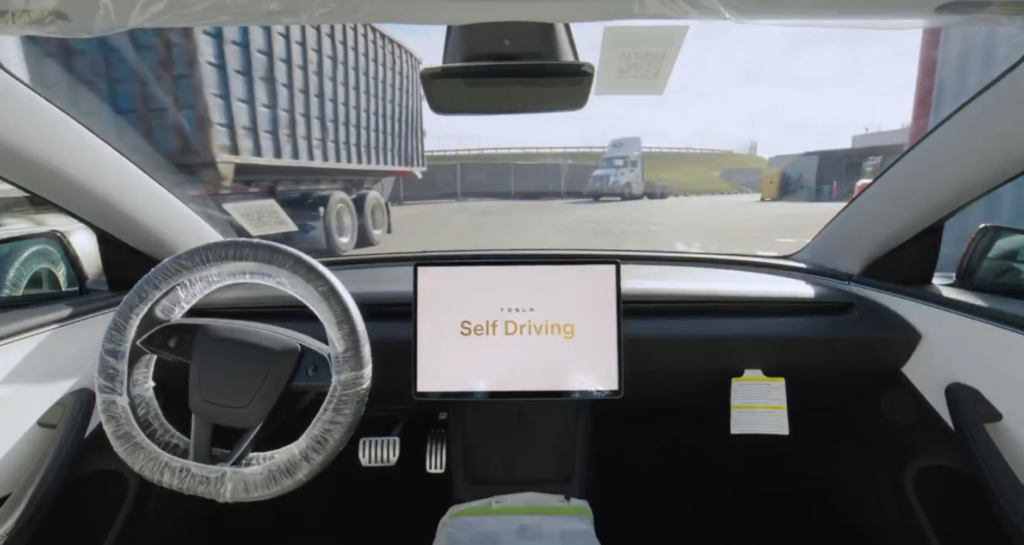
Elon Musk made a bold claim about the future of transportation at a recent industry event. Speaking by video link at the Samson International Smart Mobility Summit 2026 in Tel Aviv, he stated that “10 years from now, probably 90% of all distance driven will be driven by the AI in a self-driving car”. And he mentioned human driving will become a niche activity, adding that software already handles most of his own travel.
Later, he gave Reuters an optimistic update on immediate plans, noting he expects widespread use of autonomous vehicles in the United States this year. He has pushed this timeline for a long time. In past interviews, he predicted it would be very unusual to buy a new car without self-driving hardware a decade from now.
The 9th annual Samson International Smart Mobility Summit took place on May 17 and 18 at Expo Tel Aviv. The event gathers lawmakers, tech firms and car manufacturers to talk about the future of travel. Israel’s Ministry of Transport and Road Safety helps organize the meetings, bringing global leaders to one place. Attendees joined sessions covering Level 5 autonomy, urban air travel, cybersecurity and clean energy systems. Hundreds of companies displayed new tech at the venue. They presented new software for traffic management and battery development to eager crowds. The event provided a fitting backdrop for Musk to talk about AI taking over the steering wheel.
How this compares to other forecasts
But many analysts see a slower path forward. A joint report from the World Economic Forum and Boston Consulting Group anticipates advanced driver-assistance features will lead new car sales through 2030. Instead, they think true autonomy will scale first in commercial fleets like robotaxis or freight trucks rather than private passenger cars.
Later on, robotaxis could run at scale in 40 to 80 cities by 2035. Bank of America researchers estimate the total autonomous market could hit 1.2 trillion dollars by 2040. Other industry reports expect driver assistance and autonomy to generate billions in revenue over the next decade. Analysts say the financial upside is clear, but the timeline for everyday drivers remains uncertain.
Still, some real progress is happening right now. In China, nearly 70% of new passenger cars now include Level 2 driver-assistance technology. That number jumped roughly 10% from early last year, proving consumer demand exists. Then government agencies started updating their rulebooks to keep pace with the technology. And the United States has started easing some legacy safety requirements, and the United Kingdom set a target to approve fully autonomous cars by the second half of 2027. Regulators move carefully. So they need to balance safety with the push for better transport.
Hurdles for the industry
Yet building the cars is only part of the job. Automakers face major hurdles around safety testing, high costs, liability and basic public trust. Will people feel safe letting a computer drive them everywhere? And experts ask this question often.
The World Economic Forum calls the transition to self-driving a long transformation that requires deep cooperation between cities and tech companies. These unresolved questions make a 90% adoption rate in 10 years seem like a very optimistic target. But Musk continues to place heavy bets on an AI-driven future, pushing the industry to move faster.
You may also like to read:
- Elon Musk compares upgrading to FSD to getting an iPhone »
- Musk says Tesla’s HW4 cars are ready for unsupervised FSD »
- Musk pushes texting on FSD as software grows »
We’ve launched an official Tesla Owners Online Forum. Join early and claim your "Founding Fuel" badge.