Lucid Group pulled back the curtain on its most ambitious concept yet, a purpose-built autonomous robotaxi called Lunar. Unveiled at the company’s New York investor day on Thursday, the two-seat concept has no steering wheel or pedals.
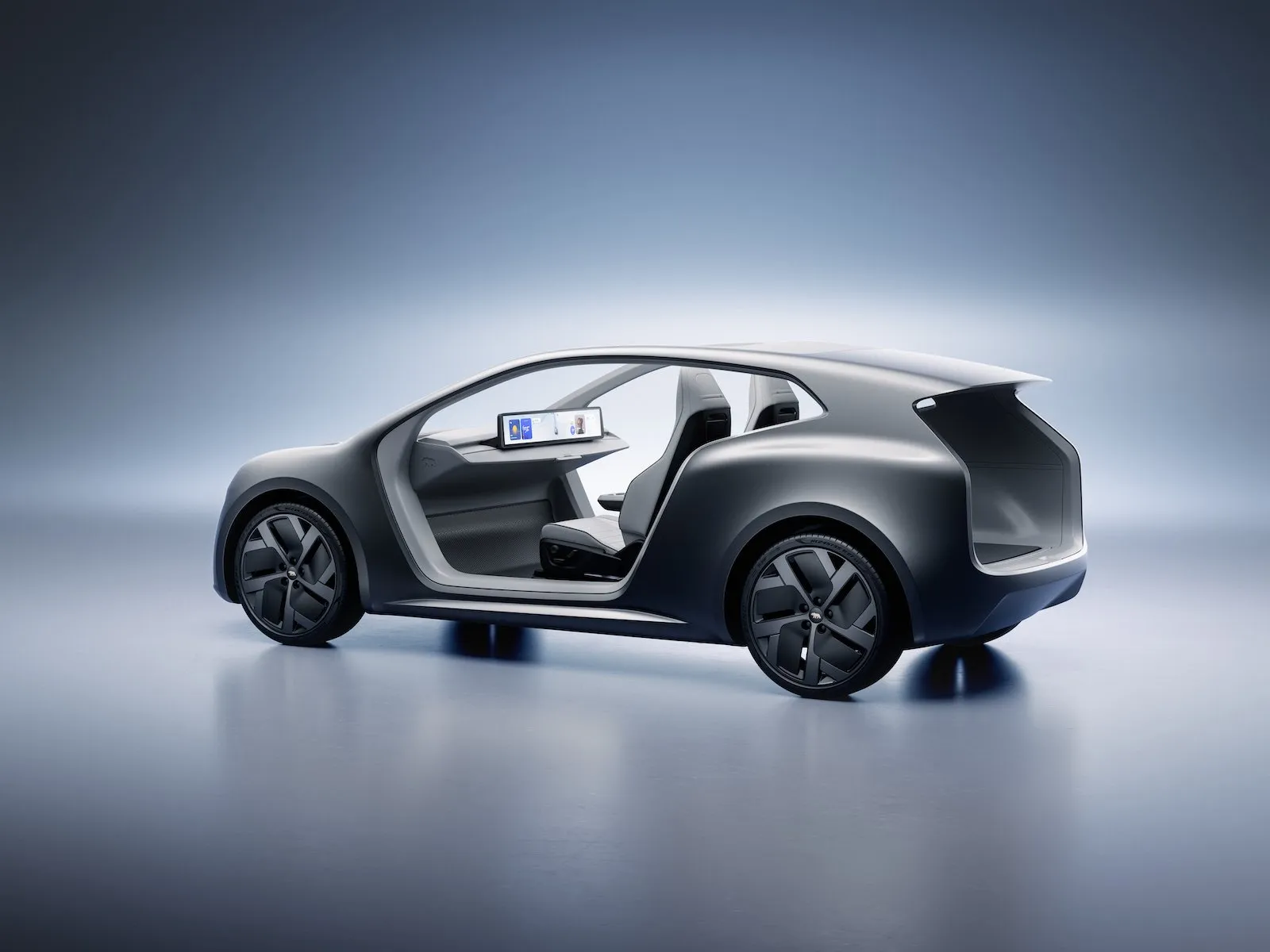
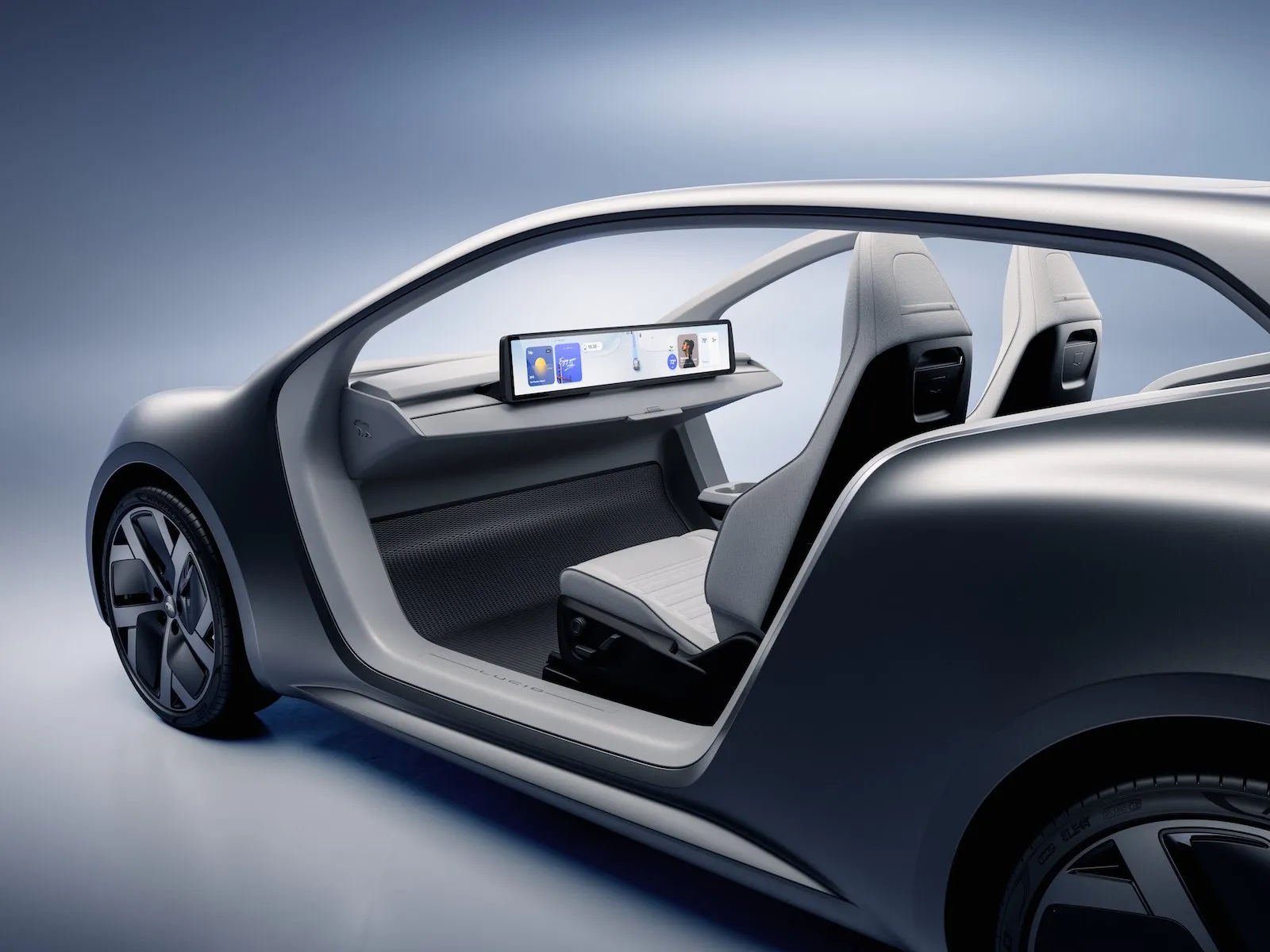
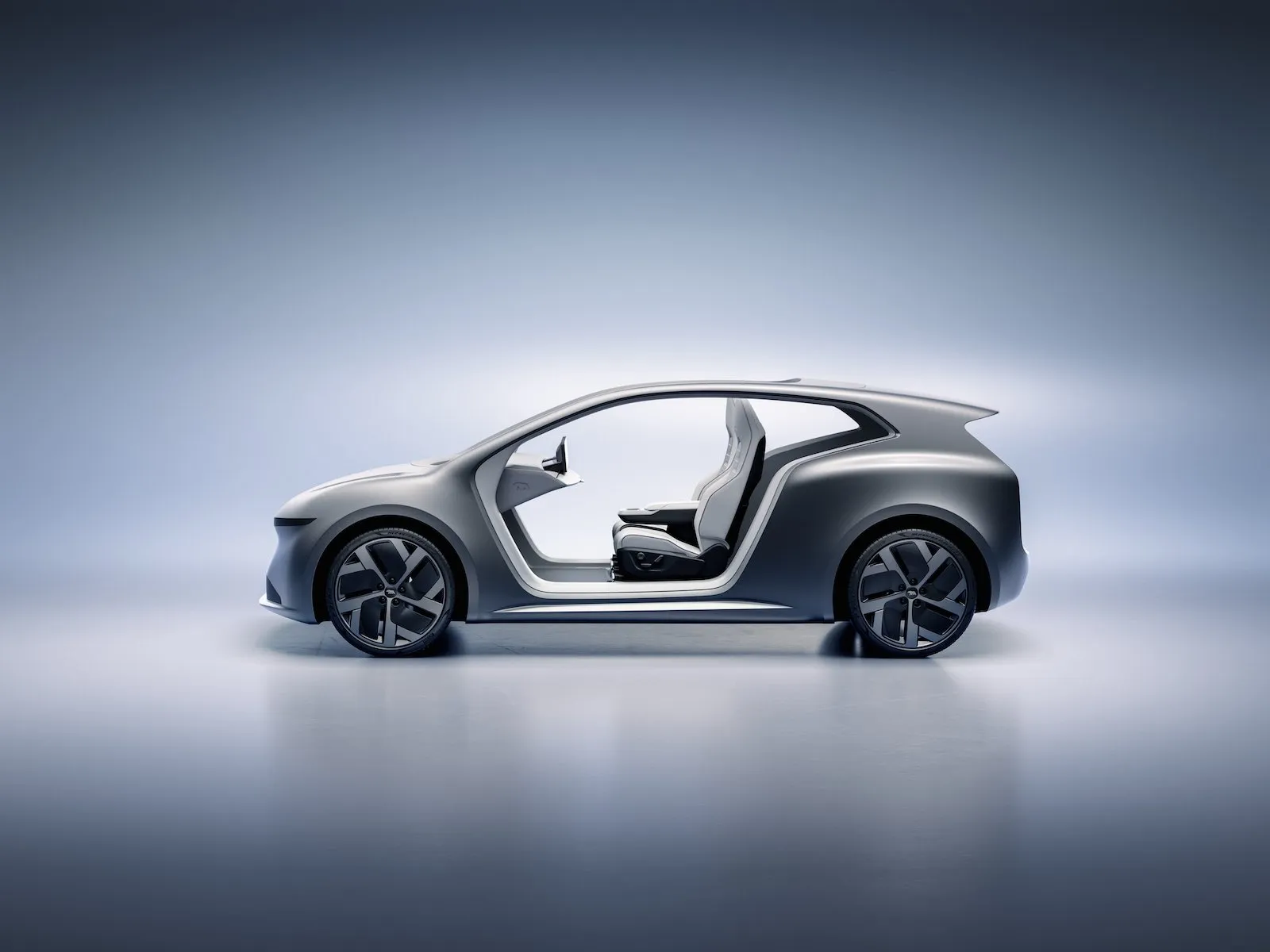
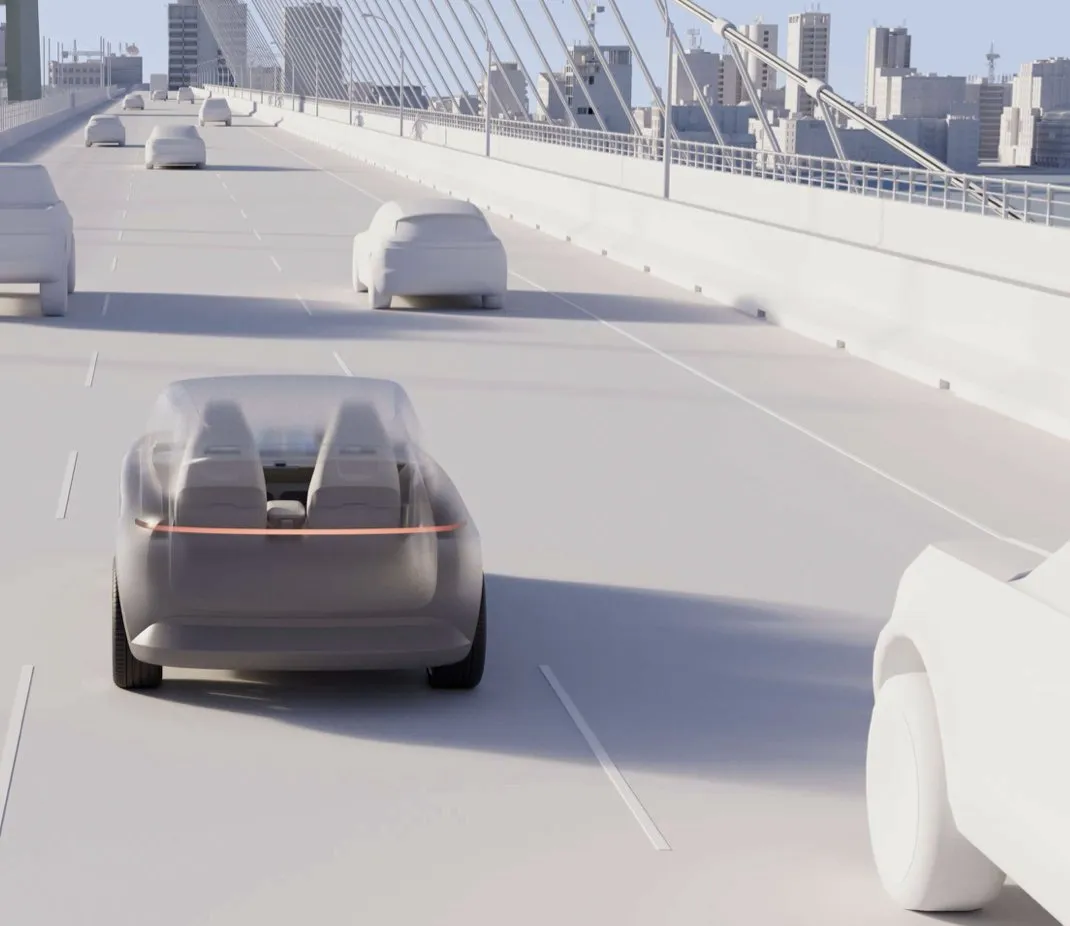
What is the Lunar?
Built on Lucid’s upcoming Midsize EV platform, the same one underpinning its consumer SUVs starting below $50,000. The Lunar is designed from the ground up for fleet economics. It features Lucid’s new Atlas electric drive unit, engineered to be smaller, lighter, and cheaper to manufacture at scale. The company claims operating costs could be 40% lower than current robotaxis on the market.
But, Lucid later clarified to TechCrunch that active development on the dedicated Lunar robotaxi hasn’t actually started yet. Interim CEO Marc Winterhoff said it would come after Lucid launches its midsize vehicles, the Lucid Cosmos and Lucid Earth, which are expected to hit the market by late 2026.
The Uber connection
Unlike Tesla, which is building its own ride-hailing network from scratch, Lucid is leaning heavily on partnerships. The company is already deep into a collaboration with Uber and autonomous tech firm Nuro to deploy a robotaxi version of the Lucid Gravity SUV, with testing underway in the San Francisco Bay Area and a commercial launch planned for later this year.
That deal, backed by a $300 million Uber investment, calls for up to 20,000 Gravity robotaxis over six years. Now, Lucid says it’s in advanced discussions with Uber to deploy its Midsize platform vehicles at similar scale. Winterhoff notably unveiled the Lunar concept while on stage alongside Uber COO Andrew Macdonald.
Software revenue ambitions
Lucid also outlined a recurring revenue play. Starting in early 2027, its DreamDrive Pro system will offer monthly subscriptions ranging from $69 for basic driver assistance to $199 for full self-driving capability. That highest tier, however, hasn’t been developed yet, by Lucid or anyone else.
How does Tesla compare?
Tesla is considerably further along. The company launched unsupervised robotaxi rides in Austin back in January, becoming one of only three companies, alongside Waymo and Zoox, to operate truly driverless public rides in the U.S.. And the Cybercab, Tesla’s purpose-built two-seat robotaxi priced under $30,000, is set to begin production in April at Gigafactory Texas.
Elon Musk has confirmed that production timeline three times in the past six months. While he cautioned initial output will be “agonizingly slow,” the long-term goal is one vehicle rolling off the line every 10 seconds.
Tesla’s robotaxi fleet in Austin currently sits at roughly 200 vehicles across Austin and the Bay Area, with plans to expand to seven more cities, including Dallas, Houston, Phoenix, and Las Vegas in the first half of 2026.
Lucid’s Lunar arrives at a moment when the robotaxi race is no longer hypothetical. Tesla is testing and producing. Waymo is operating commercially. And now Lucid, through its Uber and Nuro partnerships, is positioning itself as a serious platform player, even if the Lunar itself remains a concept with no active development timeline.
The gap between vision and execution in this space remains wide. But the fact that every major EV player now feels compelled to show up with a robotaxi strategy says everything about where the industry is headed.
You may also like to read:
- Tesla unveils production-ready Cybercab »
- FCC clears Tesla to use UWB for Cybercab wireless charging »
- Tesla Cybercab production nears launch with new factory method »
We’ve launched an official Tesla Owners Online Forum. Join early and claim your "Founding Fuel" badge.