Elon Musk now plans to open X Money to early public users in April 2026, marking a new step in his push to turn X, formerly known as Twitter, into an “everything app.” He shared the update in a brief post on the platform, writing: “X Money early public access will launch next month.”

X Money has been in development for several years, and internal goals had pointed to an earlier launch window, according to prior comments from Musk and former executives. Even so, the April target gives the clearest public timetable so far for when users may start handling payments inside the app.
Limited beta and early users
Ahead of the broader rollout, X Money is already in a controlled beta with a small group of testers. Actor William Shatner, known for playing Captain Kirk in “Star Trek,” is among the first high‑profile users after Musk invited him to try the service.
Shatner helped distribute early access by auctioning 42 invite codes at about $1,000 each, with proceeds going to charities focused on children and veterans. Later, a second batch of 166 invites went out, further widening the closed test group. This approach gave X some real‑world usage data while keeping the test pool small.
Screenshots from beta users hint at how the product works in practice. The interface uses a dark theme and includes a wallet view, peer‑to‑peer transfers, and support for direct deposit.

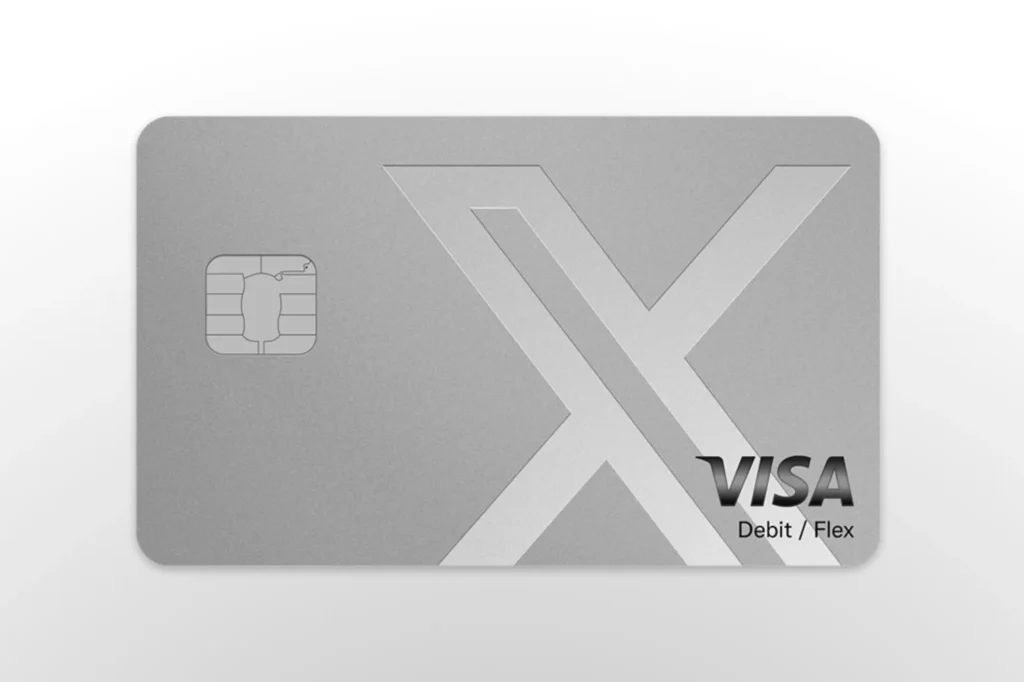
There is also a black metal debit card with the customer’s X handle etched on it.

Core features and 6% APY
One of the most eye‑catching features is a 6% annual percentage yield on balances, a level that stands above many traditional bank offerings and competes with high‑yield fintech accounts. Deposits are held at Cross River Bank, an FDIC‑insured institution, giving coverage up to $250,000 per depositor under U.S. rules.
Musk’s team has also lined up a partnership with Visa that supports the payments layer behind X Money, according to company statements. The setup uses Visa’s network to process card spending and helps X offer near real‑time peer‑to‑peer transfers compared with the slower settlement cycles of standard bank transfers. The debit product is expected to include 1% cashback on eligible card purchases, with bill pay and payroll direct deposit listed among upcoming features.
Analysts say these terms place X Money closer to a full banking‑style experience inside a social app, rather than a simple tipping tool. Yet they also note that yields at this level may shift over time as interest rates change and as X refines its economics.
Regulatory progress and open questions
X has been working through U.S. state‑level licensing requirements via its unit X Payments LLC. The company now holds money transmitter licenses in more than 40 states and Washington, D.C., which clears the way for a broad, but not nationwide, rollout at launch.
Some large states still have pending reviews. New York, for example, has stricter oversight and has raised questions in the past about staffing cuts at X and Musk’s history of confrontations with regulators. Until approvals in these markets are in place, X Money may have to limit access based on location, at least in the early phase.
For now, early materials and beta leaks do not indicate live cryptocurrency or stock trading inside X Money. Musk has spoken in earlier interviews about possible support for assets such as Bitcoin, Ethereum, or Dogecoin, but those features appear to be outside the first public version.
Musk’s “everything app” push
Musk has repeatedly said he wants X to follow the model of apps like WeChat in China, where users can chat, pay, shop, and access services in one place. In a past podcast with Tesla community members, he praised WeChat’s role in daily life and joked: “In China, you do everything in WeChat… it’s kickass… Outside of China, there’s nothing like it, people live on one app. My idea would be like how about if we just copy WeChat.”
Since buying Twitter in 2022 and rebranding it as X, he has pushed new features around messaging, media, and creator payouts, with payments framed as the next layer. The company says it has hundreds of millions of users worldwide, giving X Money a large built‑in base to pitch financial tools to, without the acquisition costs that face most standalone fintech startups.
Still, trust will play a central role. Turning a social platform into a place where people store paychecks and savings will test user comfort, especially after past concerns over content moderation and policy swings on X. Support from Visa and the use of an FDIC‑insured partner bank may help address those doubts, yet public reaction will become clearer only once early access opens in April.
We’ve launched an official Tesla Owners Online Forum. Join early and claim your "Founding Fuel" badge.