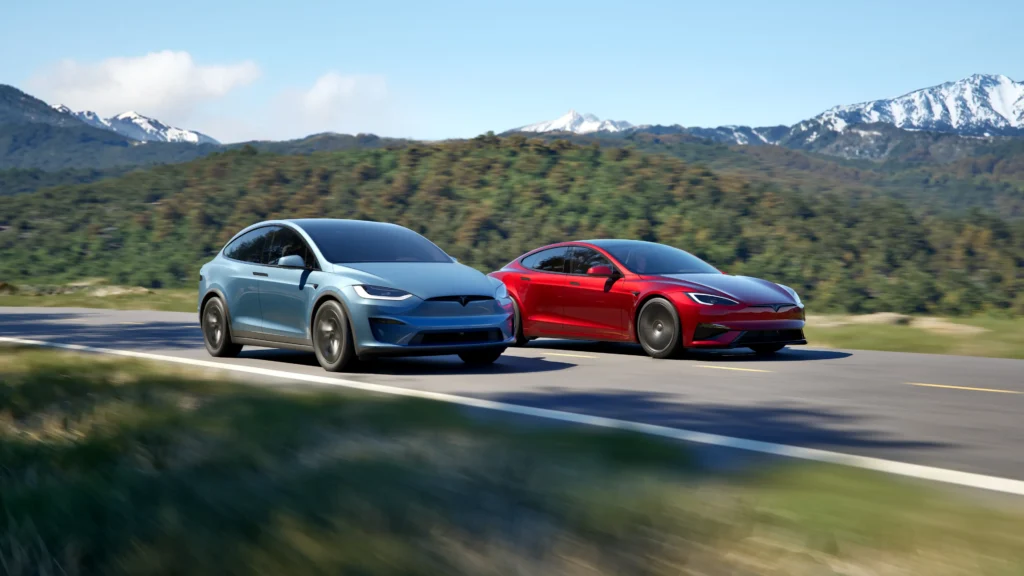
Elon Musk posted on X, stating his intention to share engineering files for the company’s oldest active vehicle lines. The CEO wrote, “Just as Tesla made the original Roadster design & software open source, we plan to do the same with Model S & X”, shortly after Tesla dismantled the Model S and X production lines in Fremont.

The automaker ended new orders for both vehicles around April 1, 2026, and factory workers now use that cleared floor space to build Optimus humanoid robots. This major transition turns the flagship sedan and SUV into legacy products. Releasing technical files helps the company reduce its long-term customer support burden. The brand generates goodwill with owners and independent mechanics at the exact same time. And Tesla protects its current intellectual property by sharing data only for these discontinued models.
Looking back at the Roadster release
Musk referenced the original Roadster release as the exact blueprint for this new initiative. He told his social media followers in November 2023 that all design and engineering data for the sports car was fully open source, claiming “Whatever we have, you now have”. But the reality of the GitHub repository looked very different to hardware engineers. Instead, the public folder contained only five CAN database files and a single ISO image for Linux diagnostics, and two short PDF guides rounded out the entire drop.
Tesla hid more detailed battery and display documents behind a restricted service login portal, labeling those hidden files as disclosed research documents. The public GitHub page has seen zero updates or commits in over two and a half years. Open hardware advocates immediately noticed the missing mechanical drawings and CAD files. Tesla provided no schematic diagrams or firmware source code for the main vehicle controllers. Engineering groups like Antmicro had to reverse-engineer components just to simulate the electronics, as Tesla gave them manufacturing outputs like Gerber files instead of actual design data.
True open source software requires a specific legal framework, and the Open Source Initiative standards demand licenses that let anyone copy and modify the original work. The 2023 Roadster files came with a strict liability disclaimer and zero patent grants, and Tesla kept all copyrights for itself. Tech analysts expect the upcoming package to repeat this limited approach. Owners will likely receive CAN bus files and some standard diagnostic tools. And the company will keep its Autopilot code and drive unit designs completely locked down. Releasing full battery pack engineering would expose too much proprietary data. The promise sounds impressive but delivers a very narrow set of practical tools.
How owners and repair shops benefit
Still, a limited file release gives independent repair shops a massive advantage. Technicians use CAN database files to translate the digital messages moving between different car modules. This data helps them locate exact hardware failures without guessing. Then, diagnostic software allows a local mechanic to clear error codes and run manual firmware updates.
Owners no longer have to rely exclusively on official Tesla service centers for complex electronic repairs. Service manuals and wiring diagrams help third-party companies manufacture replacement parts. This documentation keeps discontinued electric vehicles running for many years after the factory stops supporting them. Academic researchers pull this same data to study how early electric vehicle architectures functioned in the real world. Hobbyists run digital simulations to test custom hardware modifications.
This announcement leaves multiple technical and timeline questions unanswered. Tesla did not provide a download link or a target date for the promised file drop. No new repositories have appeared on the company’s GitHub page. We do not know if the release covers every single model year or just the early hardware versions. The inclusion of high-voltage schematics remains unconfirmed. Autonomous driving sensors and early self-driving computers might be excluded entirely from the package. The Roadster precedent sets a very low bar for what files might actually surface. Now, owners wait to see if the automaker will attach a genuine open source license this time. The industry needs to see the actual engineering files before judging the true value of Musk’s promise.
We’ve launched an official Tesla Owners Online Forum. Join early and claim your "Founding Fuel" badge.