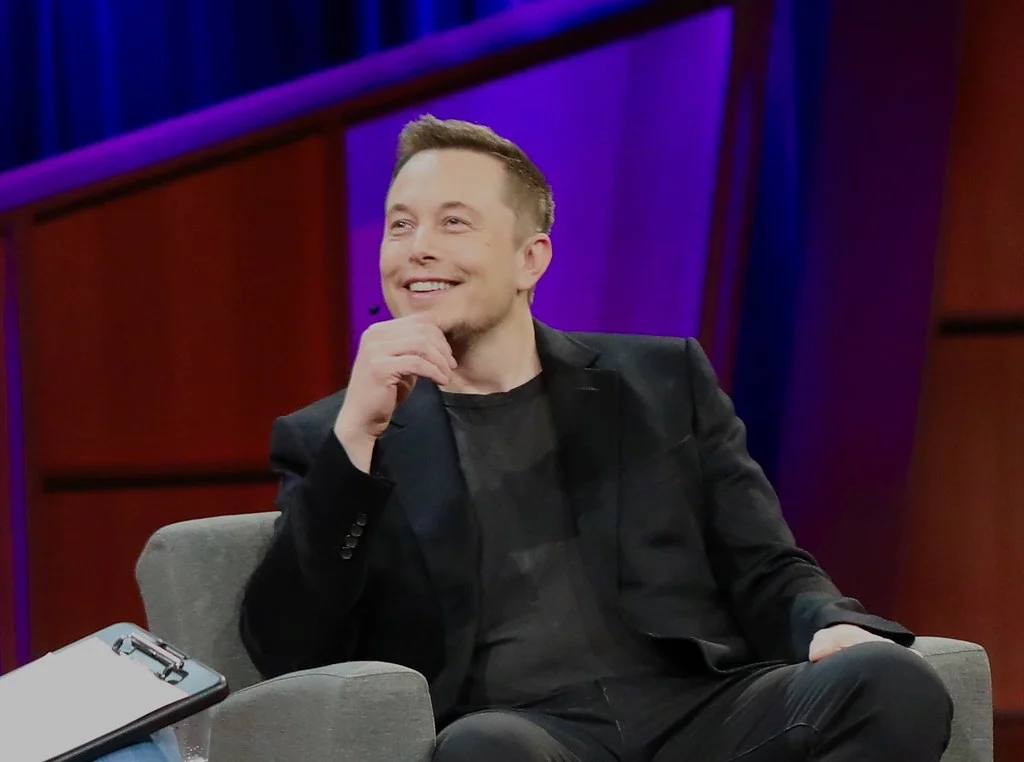
Billionaire tech mogul Elon Musk made a stunning offer on Saturday morning, volunteering to personally cover the salaries of Transportation Security Administration (TSA) workers as a partial government shutdown enters its second month with no end in sight.
“I would like to offer to pay the salaries of TSA personnel during this funding impasse that is negatively affecting the lives of so many Americans at airports throughout the country,” Musk wrote in a post on X.
The shutdown behind the crisis
The partial shutdown began on February 14, 2026, when lawmakers failed to reach a deal on funding the Department of Homeland Security (DHS), which oversees the TSA. The standoff pits Republicans, who have pushed to fund DHS in full, against Democrats who have demanded that TSA funding be separated from DHS immigration operations, including Immigration and Customs Enforcement (ICE).
So, approximately 61,000 TSA employees have been forced to keep working classified as essential government workers, but without pay. Workers missed their first full paycheck in mid-March, just as the busy spring break travel season kicked into high gear.
The effects at airports have been severe. Over 300 TSA officers quit since the shutdown began, and call-out rates have roughly doubled compared to normal levels. At Atlanta’s Hartsfield-Jackson Airport, more than a third of screeners failed to show up on some days, causing two-hour security waits. At Houston’s William P. Hobby Airport, more than half of TSA employees called out on a single Friday.
Acting Deputy TSA Administrator Adam Stahl issued a stark warning. Airports could “literally shut down” if a DHS funding agreement is not reached soon. TSA union leader George Borek echoed those fears, warning that staffing departures “will grow exponentially.”
Workers facing real hardship
TSA officers, who earn an average salary of around $50,000 annually, are legally guaranteed back pay once the shutdown concludes. But that promise offers little comfort to workers who are already dealing with eviction notices, vehicle repossessions, and overdrawn bank accounts. Some workers have taken on second jobs, calling in sick to their TSA positions to make ends meet.
Compounding the pain, this is the third lapse in TSA funding in just six months, coming after last year’s historic 43-day government shutdown, the longest in U.S. history. “We’ve had enough. This is the third shutdown in a matter of six months,” said a 10-year TSA veteran in Phoenix.
While Musk’s gesture was praised by many travelers and TSA supporters online, serious questions remain about whether it would even be legally possible. It remains unclear how a private individual could fund federal workers, or whether such an arrangement would be permissible under federal law. No official response from the TSA, DHS, or the White House has been issued regarding the feasibility of the offer.
President Donald Trump, separately, urged TSA employees via Truth Social to “go to work,” promising, “I will never forget you.”
We’ve launched an official Tesla Owners Online Forum. Join early and claim your "Founding Fuel" badge.